

Poor drainage doesn’t announce itself. It starts quietly — a soggy patch near the fence, a slow trickle in the basement corner, a musty smell after heavy rain. By the time most homeowners notice, water has already been doing damage for months.
Here’s what most guides get wrong: they jump straight to solutions before diagnosing the system. Your yard is a system. Fix one piece without understanding the whole picture and you’ll spend money solving the wrong problem.
This guide flips the script. We start with a real outdoor audit, then work forward to targeted fixes ranked by what actually moves the needle.
Why Most Drainage Fixes Fail
The most common mistake is treating drainage symptoms as isolated problems.
You see standing water near the foundation. You add topsoil to raise the grade. The water moves — but now it pools against your neighbor’s fence instead of draining away from the house.
Or you install a French drain but skip the downspout extension. The drain works perfectly, then three inches of rain overwhelms it because your gutters dump water right at the foundation anyway.
Good drainage is a chain. Every link has to hold.
The 3-Minute Outdoor Audit
Before buying anything, go outside during or right after rain. That’s your best diagnostic window.
Walk your entire perimeter. Here’s what to look for:
Where does water pool? Note every spot — not just near the house. Pooling in the middle of the yard tells you one thing. Pooling within six feet of the foundation tells you something much more urgent.
Which direction does the ground slope? Stand at your foundation wall and look outward. You want to see the ground drop away from you — at least one inch per foot for the first six feet. If it looks flat or slopes back toward the house, that’s your primary fix.
Where do your downspouts empty? Most standard downspout extensions only carry water 4 to 6 feet from the house. On compacted or clay-heavy soil, that water doesn’t go far. It just forms a slow-moving tide back toward your foundation.
Is there any visible erosion? Channels or ruts in your lawn mean fast-moving surface water with no controlled exit. That water is going somewhere — often under your slab or into your crawl space.
Take photos. You’ll refer to them when choosing your fix.
What Your Soil Type Tells You
Soil type changes everything about which solution works — and which wastes your money.
Clay Soil
Clay holds water like a sponge. It drains slowly and creates long-lasting wet zones after rain. It also expands when wet and contracts when dry, which stresses your foundation over time.
If you have clay soil, surface grading alone won’t fully solve your problem. You’ll almost certainly need a drainage channel, a French drain, or both.
Sandy Soil
Sandy soil drains fast — sometimes too fast in dry climates, but rarely a drainage problem around the foundation. If you have sandy soil and still have pooling, the issue is almost always grade or downspout placement.
Loam or Mixed Soil
Loam is the middle ground. It drains reasonably well but compacts under foot traffic or heavy equipment. If your loam soil has become compacted over years, core aeration can restore drainage before you reach for more expensive solutions.
Quick test: Dig a hole about 12 inches deep, fill it with water, and check it after one hour. If it’s still full, you have slow-draining soil and need an active drainage solution. If it’s mostly empty, surface grading is probably enough.
Fix in the Right Order
This is the step most homeowners skip. Drainage fixes work together in a sequence. Start at the top of the water’s path and work down.
Step 1: Clear and Extend Your Gutters First
Clogged gutters are the silent saboteur. One plugged downspout can dump hundreds of gallons of water against your foundation in a single storm.
Clean every gutter and downspout before doing anything else. Then check where each downspout empties. Each one should discharge water at least 6 feet from the house — 10 feet is better on clay soil.
Splash blocks help a little. Rigid downspout extensions help more. Underground downspout drainage pipes are the gold standard if you have the room to run them to a lower part of your yard.
Step 2: Regrade the Soil Around the Foundation
Once your gutters handle the roof water correctly, look at your grade.
Your goal is a consistent slope of 1 inch drop per foot for the first 6 to 10 feet away from the foundation. You’ll need clean fill dirt — not topsoil, which compacts and settles quickly. Topsoil is for planting. Fill dirt is for grading.
How to do it yourself:
- Measure your current grade with a long level and a tape measure.
- Mark where soil needs to be built up.
- Lay fill dirt in 2-inch layers, compacting each layer before adding more.
- Keep soil at least 6 inches below any wood siding or trim.
- Finish with a thin layer of topsoil if you plan to seed or sod.
This fix alone solves 40 to 60 percent of foundation drainage problems when done correctly.
Step 3: Add a Surface Drainage Channel Where Needed
If your yard has a natural low point where water collects during heavy rain, a channel drain or swale redirects that surface water safely away.
A swale is a shallow, gently sloping channel cut into the lawn — usually 6 to 12 inches deep with sloped sides. You don’t need concrete. A grass-lined swale routes water to a storm drain, a dry creek bed, or a lower corner of your property.
A channel drain (also called a trench drain) is a slotted plastic or metal channel installed flush with a paved surface. Best for driveways, patios, or sidewalks where water runs off hard surfaces toward the house.
For a natural-looking option, a dry creek bed does the same job as a swale but adds visual appeal. It’s functional landscaping — and a surprisingly satisfying weekend project.
Step 4: Install a French Drain for Persistent Wet Zones
A French drain is a gravel-filled trench with a perforated pipe that collects and redirects groundwater. It’s the right tool when surface grading and channels aren’t enough.
This is where most people overcomplicate things. A basic French drain is straightforward:
- Dig a trench 8 to 12 inches wide and 18 to 24 inches deep, sloped toward your exit point.
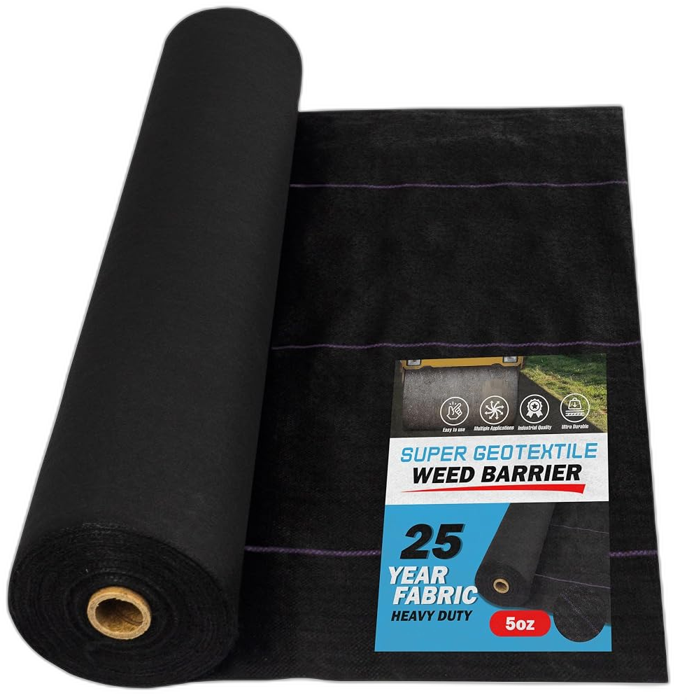
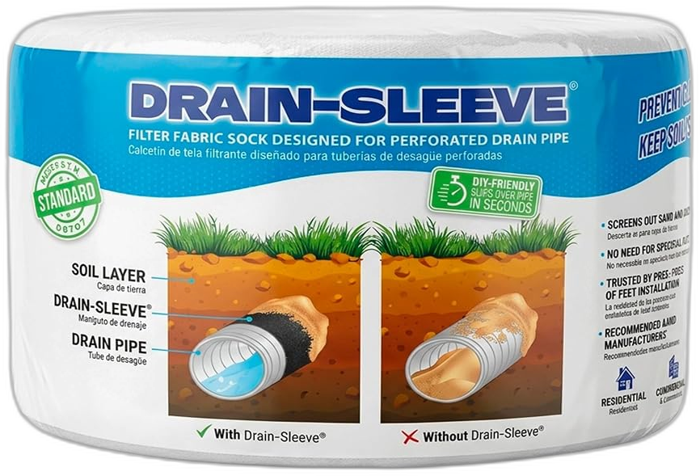
- Line the trench with landscape fabric (sock-wrapped pipe works even better).
- Add 2 to 3 inches of clean gravel.
- Lay a 4-inch perforated drain pipe, perforations facing down.
- Cover with gravel to within 3 inches of surface.
- Fold landscape fabric over the top, then backfill with soil.
The exit point matters. Your French drain has to terminate somewhere — a dry well, a storm drain, the street curb, or a low area of your yard at least 10 feet from your foundation.
French drain installation costs range from $25 to $50 per linear foot for professional installation in 2026. A 50-foot run typically runs $1,200 to $2,500 depending on depth and soil conditions. DIY materials for the same run cost $200 to $400 if you can rent the trencher.
Step 5: Add a Window Well or Interior Drain for Basement Issues
If water gets into your basement through window wells or wall seams — not through the floor — you’re dealing with a different problem than surface drainage.
Window wells fill with water when they lack covers or proper drainage. A plastic well cover ($20 to $40) solves most rain-entry issues. For persistent flooding, add gravel and a small perforated pipe at the bottom of the well routed to a drain.
Interior drainage systems (perimeter drains + sump pump) are the last resort for basements that take water through the floor or through hydrostatic pressure. That’s a professional job — budget $3,000 to $8,000 for a full system.
Which Fix Matches Which Problem
| Problem | Best Fix | DIY-Friendly? | Estimated Cost |
|---|---|---|---|
| Ground slopes toward house | Regrade with fill dirt | Yes | $200–$800 |
| Gutters overflow or dump near foundation | Extend downspouts | Yes | $20–$120 |
| Lawn stays wet for 48+ hours | French drain | Moderate | $200–$2,500 |
| Water collects in one low spot | Swale or dry creek bed | Yes | $50–$400 |
| Patio or driveway runoff hits house | Channel drain | Moderate | $300–$800 |
| Basement seepage through walls | Exterior waterproofing | No | $3,000–$15,000 |
| Basement water through floor | Interior drain + sump pump | No | $3,000–$8,000 |
Yard Drainage Diagnosis Tool
How Foundation Type Changes Your Approach
Slab Foundation
Water pooling against a slab creates hydrostatic pressure that can crack the concrete over time. The priority here is aggressive surface grading — get water moving away fast. French drains parallel to the foundation are highly effective on slabs.
Basement Foundation
Basements are the most vulnerable. Water follows the path of least resistance through wall cracks, window wells, and floor joints. Fix surface issues first. If moisture persists indoors after fixing the exterior, you have a waterproofing problem, not just a drainage problem.
Crawl Space Foundation
Crawl spaces trap moisture even when exterior drainage is good. If you fix your outdoor drainage and still have dampness underneath, check your vapor barrier. A 6-mil polyethylene barrier covering the entire crawl floor — sealed to the foundation walls — blocks ground moisture from entering the space above.
A Simple Drainage Maintenance Calendar
Drainage isn’t a one-time fix. Systems clog, soil settles, and grades shift over years.
Every spring: Walk the full perimeter after the first heavy rain. Look for new pooling spots, signs of erosion, and downspouts that may have shifted.
Every fall: Clean gutters and downspouts before winter. Clogged gutters in winter lead to ice dams, which lead to water behind your fascia boards.
Every 3 to 5 years: Check your grade with a level. Settled soil near the foundation is normal — regrade as needed to maintain proper slope.
Every 7 to 10 years: Have your French drain inspected if you have one. Fabric clogs over time. A slow drain is a sign it’s time to flush the system or replace the fabric.
When to Stop the DIY and Call a Pro
Some drainage problems are genuinely beyond weekend projects. Call a professional when:
- Water actively enters your basement or crawl space during or after rain
- You see cracks in your foundation walls or floor (especially horizontal cracks in block walls)
- Your yard has a slope greater than 15 degrees toward the house
- Your property sits at the base of a hill with significant uphill drainage converging on your yard
- You’ve already tried regrading and French drains without success
A licensed drainage contractor can run a camera through existing drain lines, perform a grading survey, and recommend engineered solutions that go beyond surface fixes. For serious foundation issues, a structural engineer and a waterproofing specialist should both be involved.
Frequently Asked Questions
How do I know if my drainage problem is serious? Water pooling within 6 feet of your foundation for more than 24 hours after rain is a serious sign. Any moisture inside your basement or crawl space — even slight dampness — means water is already reaching your foundation. Start with the outdoor audit in this guide and act on the yellow and red zone items immediately.
Can I fix drainage without digging a trench? Yes, in many cases. Regrading the soil around your foundation, extending downspouts, and adding surface swales can dramatically improve drainage without any trenching. A French drain only becomes necessary when the soil can’t redirect water fast enough on its own.
How deep should a French drain be near a foundation? The bottom of the pipe should sit below the depth of your footing — typically 18 to 24 inches for residential foundations. Placing the drain above footing level means water can still reach and pool against the base of your foundation.
Does adding topsoil fix drainage around a house? Only partially. Topsoil improves the slope visually but compacts quickly and doesn’t drain well on clay. Use clean fill dirt for grading, then add a thin layer of topsoil (2 to 3 inches) on top if you plan to plant grass or groundcover.
Will a dry creek bed actually help with drainage? Yes — a well-designed dry creek bed is a functional drainage swale that also looks great. It channels surface water away from problem areas without the need for underground pipe. It works best for moderate water flow on yards with a gentle slope toward a low-exit point.
How much does it cost to fix drainage around a house in 2026? Simple fixes (downspout extensions, regrading, surface swales) cost $200 to $800 as DIY projects. Professional French drain installation runs $1,500 to $3,000 for most residential jobs. Full exterior waterproofing systems start at $8,000 and up. Get at least three quotes for anything involving excavation.
Materials We'd Buy for This Fix

Related Guides

Daniel Carter covers the practical side of home improvement at The Dailey House — drainage fixes, DIY yard projects, patio makeovers, and the kind of weekend builds that actually get finished. If there's a smarter or cheaper way to do it, he's tested it.