

Jump to a section
Water is pooling near your foundation after every rain. Or maybe your yard stays soggy for days. Or you walked into your basement last week and felt that damp smell hit you.
You know something is wrong. You just do not know where to start.
Most homeowners jump straight to buying a French drain or renting a trencher. That is often the wrong move. The right fix depends on your specific problem, your soil type, and your foundation type. Getting this wrong means spending money and still having water problems.
This guide starts at the beginning. We figure out what is actually wrong first. Then we fix it.
Source: Angi, checked October 2026
Foundation repair costs far more. A cracked or settled foundation can run anywhere from $5,000 to $35,000 depending on how bad it gets. Fixing drainage now is almost always cheaper than fixing foundation damage later.
How to Fix Drainage Around Your Foundation (Quick Answer)
Water collects at the foundation for three main reasons: the ground slopes toward the house, the downspouts empty too close, or the water has nowhere to go. Work through these in order. The full steps are in the step-by-step section below.
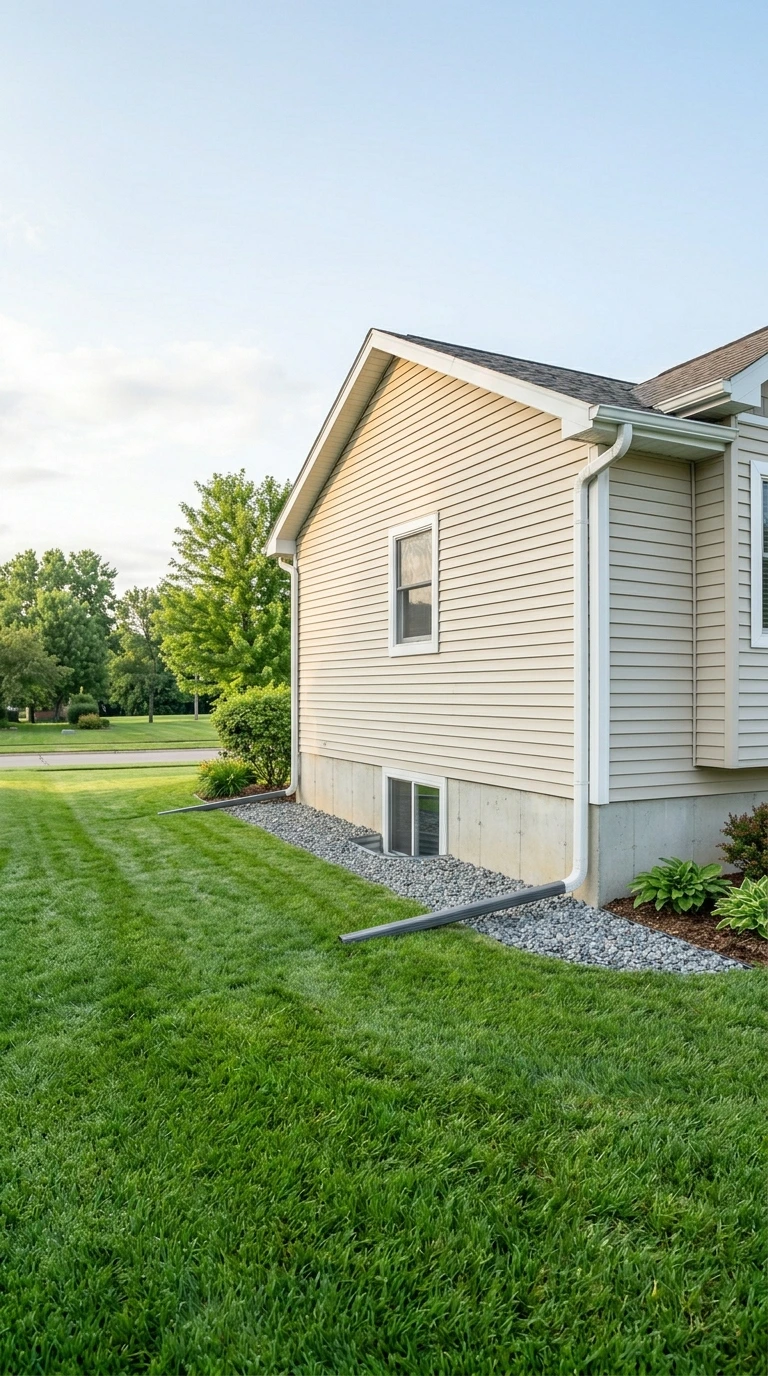
Signs You Have a Drainage Problem (And How Bad It Is)
Not all drainage problems are equal. Some are minor annoyances. Some are emergencies. Before you spend a dollar, you need to know where you stand.
Use this severity scale to triage your situation.
If you are in the red zone, do not wait. Call a drainage professional this week. Every rain event makes the problem worse.
If you are in the yellow zone, you likely have 1 to 2 seasons before real damage starts. Start working through the steps in this guide right away.
If you are in the green zone, you can take your time. Pick up with the DIY steps below and monitor after each rain.
What Causes Poor Drainage Around a House
Understanding the cause makes it much easier to choose the right fix. Most drainage problems come from one or more of these six issues.
1. Negative grade (ground slopes toward the house)
This is the number one cause of foundation water damage. Soil settles over time. What was once a proper slope can turn inward over 5 to 10 years without you noticing. Water follows gravity. If the ground tilts toward your foundation, every rainstorm pushes water directly at your walls.
2. Clogged or missing gutters and downspouts
Your roof sheds a massive amount of water during rain. A 1,500 square foot roof sheds about 935 gallons of water for every inch of rain. (The math: 1,500 square feet x 0.623 gallons per square foot per inch.) Without gutters, all that water free-falls off the edge and pounds the soil right next to your foundation. Clogged gutters overflow and do the same thing.
3. Downspouts that empty too close to the foundation
Even working gutters fail if the downspout empties water right next to your house. The water concentrates in one spot and soaks directly down toward your foundation. Downspouts should release water at least 4 to 6 feet from the foundation wall, ideally more.
4. Compacted or clay soil
Clay soil is dense. Water cannot absorb into it quickly. So it sits on the surface and runs wherever gravity takes it. If your yard has heavy clay soil, even a well-graded slope can struggle to drain fast enough during heavy rain.
5. Hardscaping that redirects water toward the house
Driveways, patios, sidewalks, and decks can all redirect water. A concrete driveway that crowns toward the house acts like a funnel after every rain. Newer pavers or patios added without considering drainage are a common cause of new water problems in older homes.
6. Failing or missing underground drain systems
Older homes may have original drain tile systems that have crushed, clogged with roots, or simply failed after decades. Homes in low-lying areas or with high water tables may never have had adequate drainage installed at all.
Know Your Soil Type Before You Pick a Solution
This step is completely skipped in almost every drainage article. It matters a lot. The same French drain that works perfectly in one yard does almost nothing in another because the soil is different.
Here is a quick breakdown of the three main soil types and what that means for drainage.
🟤 Clay Soil
Heavy, dense, and slow to drain. Holds water for hours or days. Very common in the South, Midwest, and Pacific Northwest. Expands when wet, shrinks when dry. This expansion puts direct pressure on your foundation walls.
Best fixes: French drain, grading amendment with topsoil, downspout extension, dry well. Avoid: relying on regrading alone.🟡 Sandy Soil
Drains fast. Water passes through quickly. Rarely causes pooling. But it also loses moisture fast, which can cause your foundation to shift as it dries and re-wets in cycles.
Best fixes: Grading, downspout extension, simple surface drain. Usually the easiest drainage problems to fix.🟫 Loam/Mixed Soil
A mix of clay, silt, and sand. Drains moderately well. Most homes in the Northeast and Midwest have this. Drainage problems usually come from grade issues or gutter failures rather than the soil itself.
Best fixes: Regrading, gutter improvement, downspout extension. French drain works well as a backup measure.Not sure what soil you have? Do this test. Dig a hole about 12 inches deep. Fill it with water. Come back in one hour. If the water is mostly gone, you have sandy or loamy soil. If water is still sitting there, you have clay soil. Plan your drainage solution around that result.
How to Fix Drainage Around Your House: Step by Step
Work through these steps in order. Try each one and then watch how your yard responds after a few rains before moving to the next. You may not need all of them. Fixing step one alone solves the problem for many homeowners.
Clean and fix your gutters and downspouts DIY
Start here. Always. This is the most overlooked cause and the cheapest fix. Clear all debris from gutters. Check for sagging sections that hold water instead of moving it. Make sure gutters slope toward downspouts at about 1/4 inch per 10 feet.
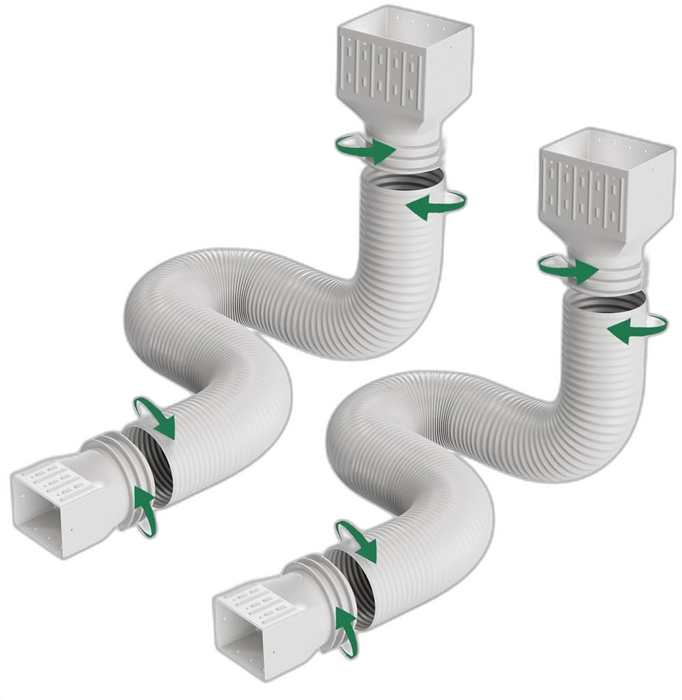
Then look at where your downspouts empty. If it empties less than 6 feet from your foundation, add an extender. Flexible plastic downspout extenders cost $5 to $15 at any home center. They snap onto the end of the existing downspout and redirect water 4 to 6 feet away, or farther if you can.
A quick honesty note: no building code sets an exact distance. Contractors commonly call 4 to 6 feet the minimum and 8 to 10 feet better. Farther is safer. Make sure the water does not just form a new puddle where the extender ends.
Cost: $5 to $25 DIY. Professional gutter cleaning runs $100 to $250.
Regrade the soil around your foundation Semi-DIY
The ground around your house should slope down at least 6 inches over the first 10 feet away from the foundation. Ideally, 1 inch of drop per foot for the first 6 feet. If your yard slopes inward, this needs to change.
For small areas, you can do this yourself. Use screened topsoil (a clay-loam blend). Avoid bagged topsoil, straight compost, and sand. They are too loose, so they compact poorly and wash away. Build up the area near the foundation and slope it outward. Tamp it down well.
Important: Keep at least 4 to 6 inches of your foundation visible above the soil line. Soil touching your siding invites rot, termites, and moisture damage.
- Soil and lawn: aim for 1 inch of drop per foot for the first 5 to 10 feet (Milwaukee Metropolitan Sewerage District). The federal Building America Solution Center lists half an inch per foot over 10 feet as the minimum for ENERGY STAR homes.
- Concrete and asphalt within 10 feet of the house: the International Residential Code requires at least a 2 percent slope away from the building, about 1/4 inch per foot. Your town may have its own rules.
- Drain pipe: at least a 1 percent slope, or about 1/8 to 1/4 inch per foot (NDS installation guide).
On a steep slope, regrading alone may not hold. A low retaining wall can help. See our guide to building a low retaining wall on a slope.
Cost: $50 to $300 DIY depending on how much soil you need. Professional regrading runs $500 to $3,000+ for larger areas.
Extend downspouts underground Semi-DIY
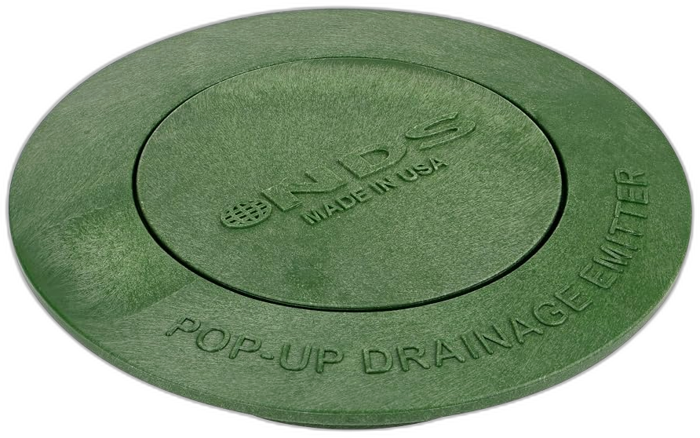
If your yard is small or you do not have room to run surface extenders, an underground downspout extension is a clean solution. You bury a 4-inch PVC pipe from the downspout and run it to daylight at least 10 feet away, or connect it to a pop-up emitter in the lawn.
The emitter stays closed when dry and pops open under water pressure to release flow during rain. This looks clean, works well, and protects your foundation without any visible pipes in your yard.
Cost: $75 to $250 in materials for DIY. Professional installation runs $300 to $800 depending on length and access.
Install a surface drain or catch basin Semi-DIY
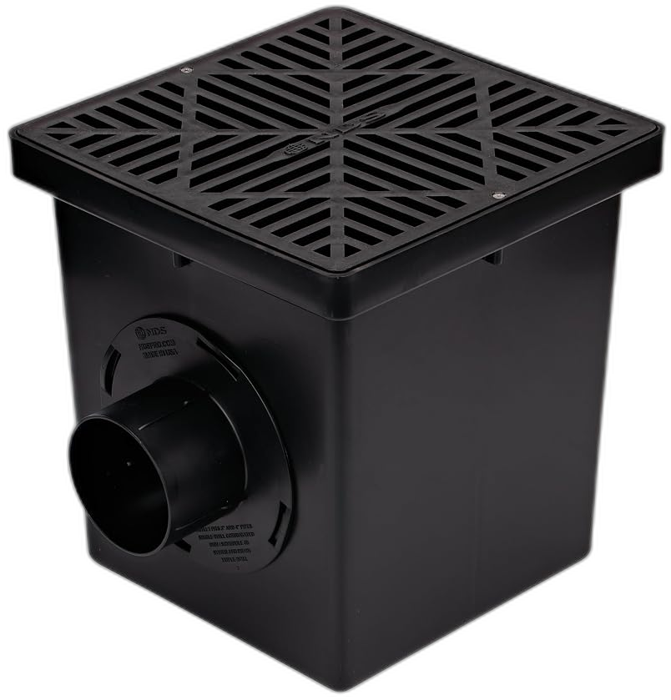
If water pools in a low spot in your yard that regrading alone cannot fix, a catch basin is the right tool. You dig down to install a plastic basin, connect it to a 4-inch drain pipe, and route the pipe to daylight away from your home.
Surface drains (also called area drains) sit flush with the lawn and collect sheet flow water. They work well for yards that collect runoff from neighboring properties or that have a section that just cannot drain fast enough.
Cost: $8 to $30 per linear foot of pipe. Basin and grate parts run $20 to $60. Full installation by a pro averages $500 to $1,500.
Install a French drain Professional recommended
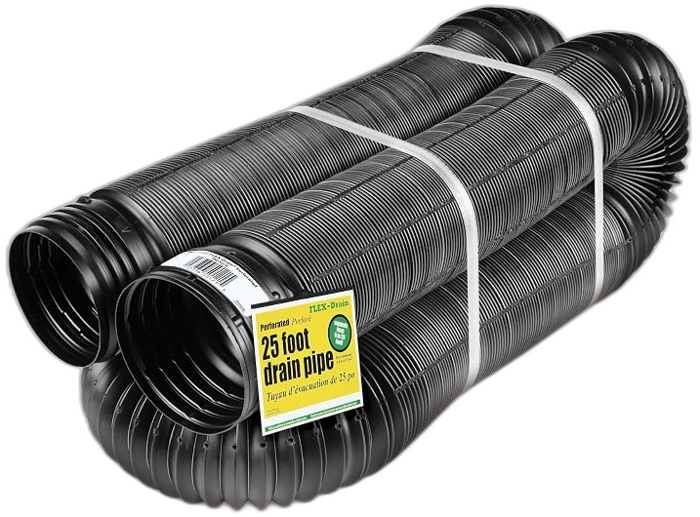
A French drain is a perforated pipe buried in a gravel-filled trench. Water seeps through the gravel, enters the perforated pipe, and flows away from your home. It is one of the most effective solutions for chronic water problems near the foundation.
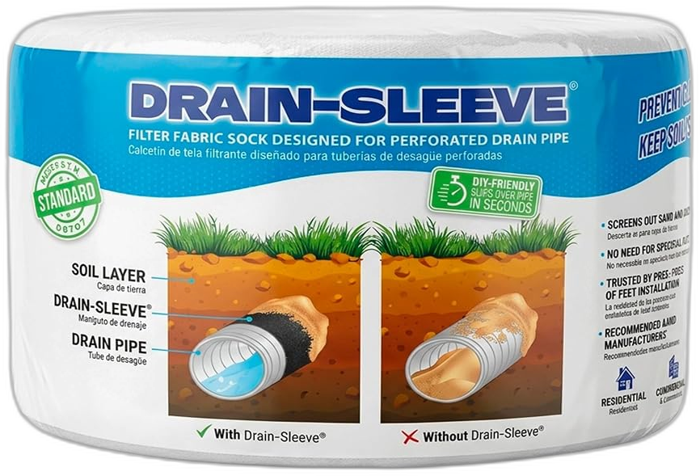
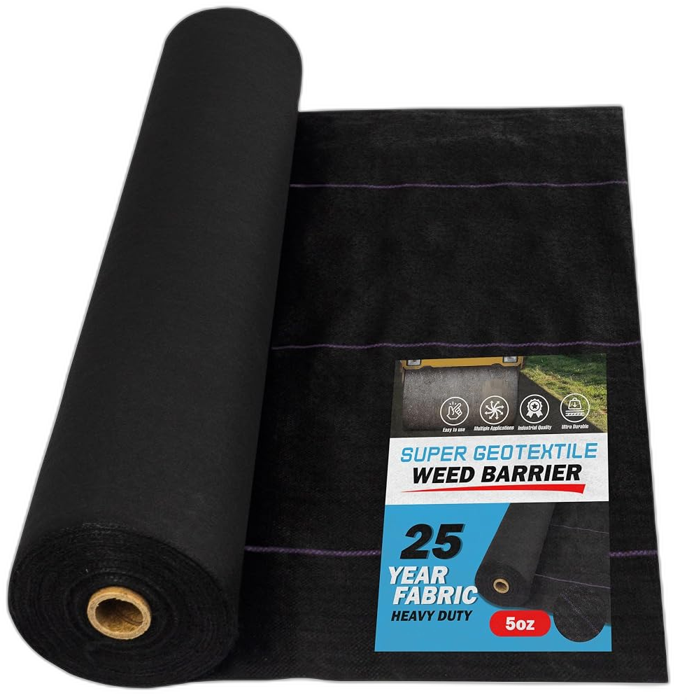
You can do a French drain yourself on a small scale. But proper installation requires getting the slope exactly right (1/8 to 1/4 inch per foot), choosing the correct pipe size, using the right filter fabric to prevent clogging, and having a proper outlet. Mistakes mean the drain fails in 2 to 3 years.
For foundation-adjacent work, hiring a pro is worth the cost. Want the full walkthrough? Read our French drain guide: cost, depth and how to install.
Filter fabric helps, but in heavy clay soil any fabric can clog over the years. Plan to check the drain now and then.
Cost: $10 to $25 per linear foot DIY in materials. Professional installation commonly runs about $10 to $35 per linear foot, and complex jobs can cost far more. Whole projects range from about $500 to $8,800 or higher (Source: HomeGuide, 2026). Prices vary a lot by region and soil.
Add a dry well or rain garden Semi-DIY
If you have a low spot that collects water and no natural outlet to daylight, a dry well gives water a place to go. It is essentially a gravel-filled pit that lets water slowly percolate into the ground below the surface. Good for yards with decent drainage below the topsoil layer but poor surface drainage.
A rain garden is a planted shallow depression that uses native plants to absorb and filter runoff. It is beautiful, environmentally friendly, and cheaper than most other options. Plants like native grasses, sedges, and willows love wet conditions and process a surprising amount of water.
A dry creek bed is another good option. It carries surface water away from the house and looks like a garden feature. Keep any rain garden at least 10 feet from the house.
Cost: Dry well installation averages $1,000 to $4,000 (Source: HomeAdvisor, 2026). Rain garden materials cost $3 to $8 per square foot DIY.
Install a channel drain at hardscaping Professional recommended
If water pours off a driveway, patio, or walkway toward your house, a channel drain (also called a trench drain) collects it before it reaches the foundation. This is common in front of garages where the driveway slopes toward the home.
Channel drains require cutting into concrete or setting them into new concrete work. This is generally a job for a concrete or drainage contractor.
Cost: $30 to $150 per linear foot professionally installed (Sources: Angi and This Old House, 2026).
Address the gutter-to-storm drain connection Professional required
In some situations, you can connect your downspout underground drainage to a municipal storm drain. This requires a licensed plumber in most jurisdictions. It may also require a permit. Call 811 before any digging to get utilities marked. Do not skip this step. Hitting a gas or electric line is extremely dangerous.
Cost: Varies widely based on your location and the distance to the storm drain connection. Get at least two quotes.
Interactive: Find Your Best Drainage Fix
Answer a few quick questions about your situation and this tool will recommend the right drainage solution for your home.
Drainage Fix Recommender
Answer 5 quick questions to get your personalized solution
Your top recommendations
‘; recs.slice(0, 2).forEach(function(r) { primaryHTML += ‘‘ + (r.diy ? ‘DIY possible · ‘ : ‘Hire a pro · ‘) + r.cost + ‘
Also consider
‘; secHTML += ‘Drainage Solutions Compared (2026 Cost + DIY Table)
Here is every major drainage solution side by side. Use this table to compare before you spend anything.
| Solution | Best for | DIY? | 2026 Cost Range | How long it lasts |
|---|---|---|---|---|
| Downspout extender | Gutters dumping near foundation | Easy DIY | $5–$25 | 5–10 years |
| Regrading (topsoil) | Ground slopes toward house | DIY possible | $50–$3,000 | 10–20 years |
| Underground downspout drain | No room for surface extender | Semi-DIY | $75–$800 | 15–25 years |
| Catch basin / surface drain | Low spot in yard or patio | Semi-DIY | $500–$1,500 | 20–30 years |
| Dry well | No outlet available, slow absorption | Semi-DIY | $1,000–$4,000 | 10–15 years |
| Rain garden | Yard runoff, aesthetic option | Easy DIY | $200–$1,500 | Ongoing with plant maintenance |
| French drain | Chronic water near foundation, clay soil | Hire a pro | $1,000–$10,000 | 30–40 years if done right |
| Channel / trench drain | Driveway or patio runoff toward house | Hire a pro | $1,500–$5,000 | 20–30 years |
| Interior drain tile system | Basement water intrusion | Professional only | $4,000–$12,000 | 25–40 years |
Sources: Angi, HomeAdvisor, HomeGuide (2026 data). Costs vary by region and project complexity.
At a Glance: The 4 Most Common Drainage Fixes
Here is a visual summary of the solutions most homeowners actually need. Most drainage problems can be solved with one or a combination of these four approaches.
Fixes by Foundation Type
Your foundation type changes which drainage problems matter most and which solutions work best. Here is what you need to know.
Slab foundations sit directly on the ground. Water cannot get underneath easily, but it can push against the edges and erode the soil under the slab over time. This is what causes slabs to crack and settle unevenly.
Most important fixes: Keep soil sloped away from the slab edge. Maintain that 4-inch gap between soil and siding. Install downspout extensions. For persistent problems near the slab edge, a French drain running parallel to the foundation at about 2 feet distance is very effective.
Watch for: Cracks in drywall at door corners (a sign the slab is moving), doors that stick or swing open on their own, and gaps between floors and baseboards.
Crawl space foundations are the most vulnerable to drainage problems. Moisture does not need to flood — even high humidity under the house causes wood rot, mold, and structural damage to joists and beams over time.
Most important fixes: All exterior drainage fixes (grading, gutters, French drains) apply here. But also check the crawl space itself. Is there a vapor barrier on the ground? Is it in good shape? Is there cross-ventilation? If the crawl space smells musty, address this with a vapor barrier or encapsulation project in addition to exterior drainage fixes.
Watch for: Spongy or bouncy floors, doors and windows that stick, mold smell from vents, and high indoor humidity during damp seasons.
Basements deal with hydrostatic pressure. When the soil around and under the basement is saturated, water pushes against the walls from all sides. Even small cracks let water in under this pressure.
Most important fixes: All exterior drainage steps are critical here. But if you already have water intrusion, exterior fixes alone may not be enough. Interior drain tile systems (a perimeter drain inside the basement at floor level connected to a sump pump) are often the most reliable long-term solution once water is actively entering.
Watch for: White chalky deposits on basement walls (called efflorescence — a sign of water moving through the wall), horizontal cracks in block walls (serious — indicates soil pressure), water stains at the base of walls, and mold on framing.
How to Maintain Your Drainage System (Seasonal Checklist)
A drainage system you installed and then forgot about will fail. Here is what you need to do each season to keep everything working.
Spring (before the rainy season)
- Clean gutters of winter debris and check for damage
- Check all downspout connections and make sure extenders are still in place
- Walk the foundation perimeter and look for soil that has settled toward the house
- Test any pop-up emitters by pouring a bucket of water into the underground drain — it should pop open and flow freely
- Check catch basin grates for debris and clean out any sediment
- If you have a sump pump, test it by pouring water into the pit and making sure it kicks on
Fall (after leaves drop)
- Clean gutters again after leaves have fallen — this is the most important cleaning of the year
- Check that French drain inspection ports are accessible and not clogged
- Walk the yard after the first heavy fall rain and note any new pooling spots
- Trim back any shrubs or tree roots that could be growing toward drain lines
Every 3 to 5 years
- Camera-inspect underground drain lines if you notice reduced performance
- Flush French drains with a garden hose to clear any fine sediment buildup
- Check and refresh gravel in dry wells if water is absorbing slower than before
- Reassess soil grade around the foundation — it settles over time
When to Call a Professional
Some drainage problems are genuinely DIY-friendly. Others are not. Here is how to tell the difference.
Call a pro when:
- Water is actively entering your basement or crawl space
- You see horizontal cracks in basement walls (this is a structural issue, not just a drainage issue)
- Your foundation shows signs of settling, such as doors that no longer close properly or visible gaps in walls
- You need to connect drainage to a municipal storm sewer (almost always requires a licensed plumber and permit)
- Your lot is flat with no natural outlet — water has nowhere to go without engineering
- You have a high water table that causes wet basement conditions regardless of rainfall
- Regrading involves more than 6 inches of change across a large area — this requires professional equipment
Horizontal vs. vertical cracks: Horizontal cracks in a basement wall are generally treated as more serious. They can mean wet soil is pushing sideways on the wall. Thin vertical cracks are often just normal settling. Have any crack that is wide, growing, or horizontal checked by a structural engineer or foundation specialist.
What a professional drainage contractor will do:
- Assess your yard grade with a level and transit to identify problem areas you cannot see by eye
- Identify underground utilities before any digging (also call 811 yourself)
- Design a system sized for your actual rainfall rates, not just a generic installation
- Pull any required permits — ask your contractor if permits are needed in your municipality
- Provide a warranty on their work, typically 1 to 10 years
Materials We'd Buy for This Fix
Frequently Asked Questions
How do I know if my drainage is bad?
Look for these signs: water pools near your foundation after rain, yard stays soggy for more than 24 hours, gutters overflow during normal rain, soil feels spongy near the house, basement or crawl space has moisture or mold smell, or doors and windows are starting to stick. Any one of these is worth investigating.
How much does it cost to fix drainage around a house in 2026?
Simple fixes like downspout extenders cost as little as $5 to $25. Mid-range solutions like a French drain or catch basin system run $1,000 to $5,000 for most homes. Complex projects with multiple systems can reach $10,000 to $15,000. Professional yard drainage installation typically runs $2,146 to $7,173 (Source: Angi, 2026).
Can I fix drainage myself?
Yes, for many problems. Cleaning gutters, adding downspout extenders, regrading small areas with topsoil, installing a catch basin, and building a rain garden are all reasonable DIY projects. Installing a French drain correctly requires more skill and getting the slope right matters a lot. Anything involving underground connections to storm drains, or basement water intrusion, should be left to a licensed professional.
Does gravel help with drainage around a foundation?
It depends on how you use it. Coarse gravel or river rock in a French drain trench helps water move toward the perforated pipe. But adding a gravel layer on the soil surface around your foundation without an actual drain system does very little. The problem is usually that water cannot get away from the house, and gravel does not fix that on its own.
Will fixing drainage fix my foundation problems?
Sometimes, and sometimes not. Fixing drainage prevents further damage from occurring. But if foundation damage has already happened — settled slab, cracked walls, bowing basement walls — drainage fixes alone will not repair those issues. You may need both drainage correction and foundation repair. Start with drainage to prevent the problem from getting worse, then assess the foundation separately.
How deep should a French drain be?
For general yard drainage, 18 to 24 inches deep is typical. For foundation drainage, you usually want the pipe to be as deep as the bottom of the foundation footing or deeper. The right depth depends on your specific situation and soil type. A drainage contractor can assess this properly.
Do I need a permit to install drainage around my house?
It depends on your municipality and the scope of the project. Simple surface work like regrading and downspout extenders typically do not require permits. Installing underground drain lines that connect to the storm sewer system usually does require a permit and a licensed plumber. Always call your local building department before starting any underground drainage work.
What is the fastest way to fix water pooling near my house?
The fastest fix is extending your downspouts and cleaning your gutters. This takes a few hours and costs under $30. If the ground slopes toward your house, adding topsoil to correct the grade is the next fastest option. These two steps alone solve the majority of residential drainage problems.
Does homeowners insurance cover drainage damage?
Usually not for slow, ongoing problems. Standard policies tend to cover sudden and accidental water damage. They often exclude gradual seepage and groundwater. Check your own policy, and ask your agent before you count on a claim. This is one more reason to fix drainage early.
Can I bury a downspout extension if I live where winters are cold?
You can, but plan for ice. Buried pipe can freeze if snowmelt runs into frozen ground. Slope the pipe fully to an open outlet so water does not sit in it. Some homeowners use a surface extender they fold up for winter instead.
Should I add sand to clay soil to help it drain?
No. Sand can fill the small gaps between clay particles and make drainage worse. Work in compost or other organic matter over time instead.
How do I fix drainage in the narrow space between two houses?
These gaps funnel water, so start with the roof. Keep gutters clear and send downspouts through buried pipe to a safe outlet. A catch basin or channel drain can handle surface water. If the space slopes toward either house, ask a drainage contractor to check the grade.
Who do I call for a drainage problem?
Call a drainage contractor or landscaper for grading, French drains, and catch basins. Call a foundation specialist or structural engineer if you see settling, a bowing wall, or wide cracks. If you are not sure which, a home inspector can point you in the right direction.
Sources and Further Reading
We checked the numbers in this guide against these sources. They are worth a look if you plan to dig.
- International Residential Code, section R401.3: Drainage
- Milwaukee Metropolitan Sewerage District: Proper grading around your home
- Building America Solution Center: Final grade slopes away from foundation
- NDS: How to install catch basins
- University of Maryland Extension: Soil health, drainage, and improving soil
The Bottom Line
Most drainage problems around a house come down to three things: gutters that are not doing their job, ground that slopes toward the house instead of away from it, and no system to move water once it gets near the foundation.
Start simple. Clean gutters. Add downspout extenders. Fix the grade. Watch what happens after a few rains. A lot of homeowners find that these basic steps solve the problem completely.
If you are past that point and seeing water in your basement or active pooling against the foundation, do not wait. Call a licensed drainage contractor for an assessment. A few thousand dollars in drainage work now is far cheaper than $10,000 to $35,000 in foundation repair later.
Use the interactive tool above to get a personalized recommendation for your specific situation.
Sources: Angi (March 2026), HomeAdvisor (2026), HomeGuide (February 2026), Ware Landscaping (2026), Homewyse (January 2026). Cost data reflects national averages and will vary by location.
Directing water away from your foundation is step one. Review our favorite downspout extension ideas to route roof runoff cleanly across your yard.

Daniel Carter covers the practical side of home improvement at The Dailey House — drainage fixes, DIY yard projects, patio makeovers, and the kind of weekend builds that actually get finished. If there's a smarter or cheaper way to do it, he's tested it.