

This is the one decision that shapes every flower bed budget and workload for years, and most guides duck the actual answer. Here it is: there isn’t a single winner, but there is a right split for a front yard bed — and it’s not 50/50.
The Core Difference
Annuals complete their entire life cycle in one growing season — they bloom hard, then die at frost, and need replanting every year. Perennials die back in winter but return from the same roots year after year, typically blooming for a shorter window each season.
Where Perennials Win
Cost over time. A perennial planted once for $8–$15 keeps blooming for years, while the same bed filled with annuals means rebuying every spring. Over a five-year span, a perennial-based bed almost always costs less overall, even though perennials cost more per plant upfront.
Root structure and soil health. Established perennial roots hold soil in place on slopes and reduce erosion in a way that shallow-rooted annuals can’t.
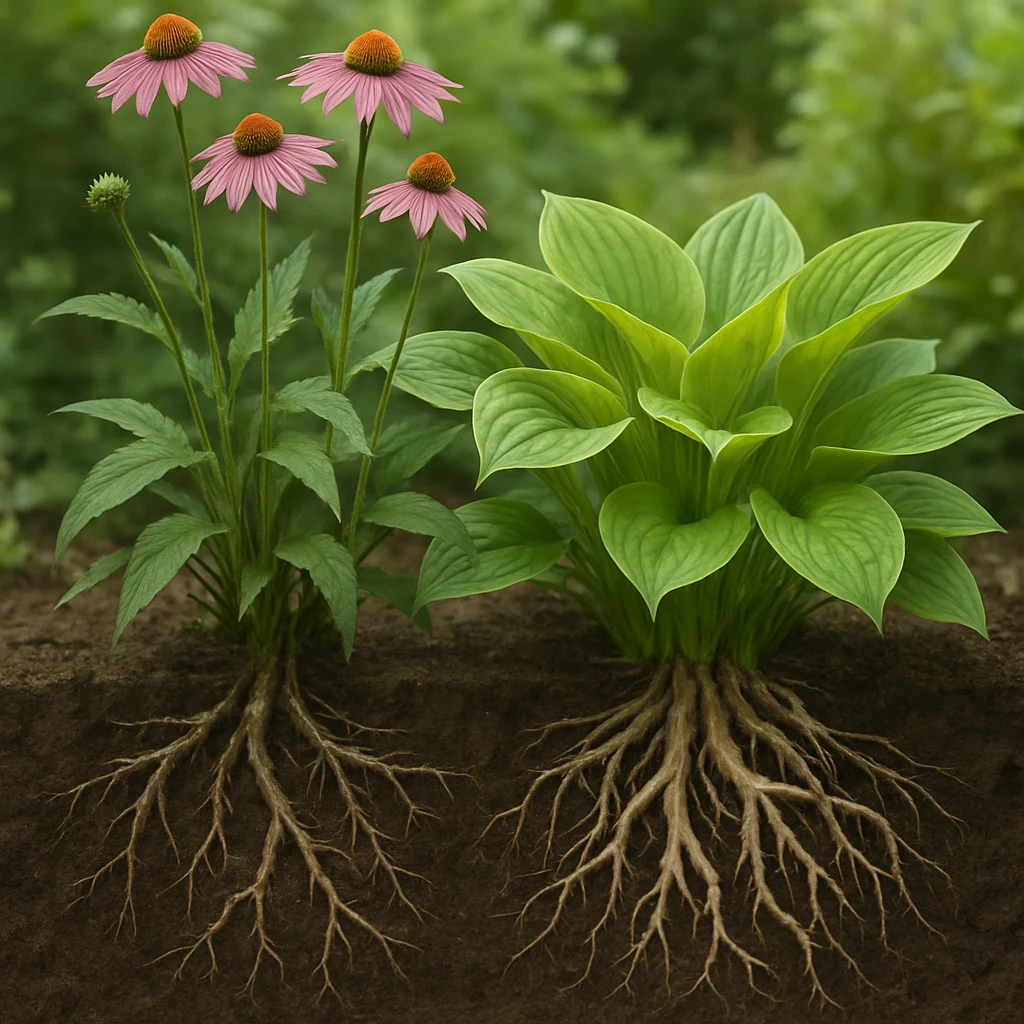
Low-maintenance years. Once established, most perennials need only an annual cutback and occasional dividing — far less hands-on work than replanting a bed every spring.
Where Annuals Win
Non-stop color. Perennials typically bloom for two to four weeks and then go green for the rest of the season. Annuals bloom continuously from planting until frost, which is why front beds that look “full of color all summer” in photos are usually heavy on annuals.
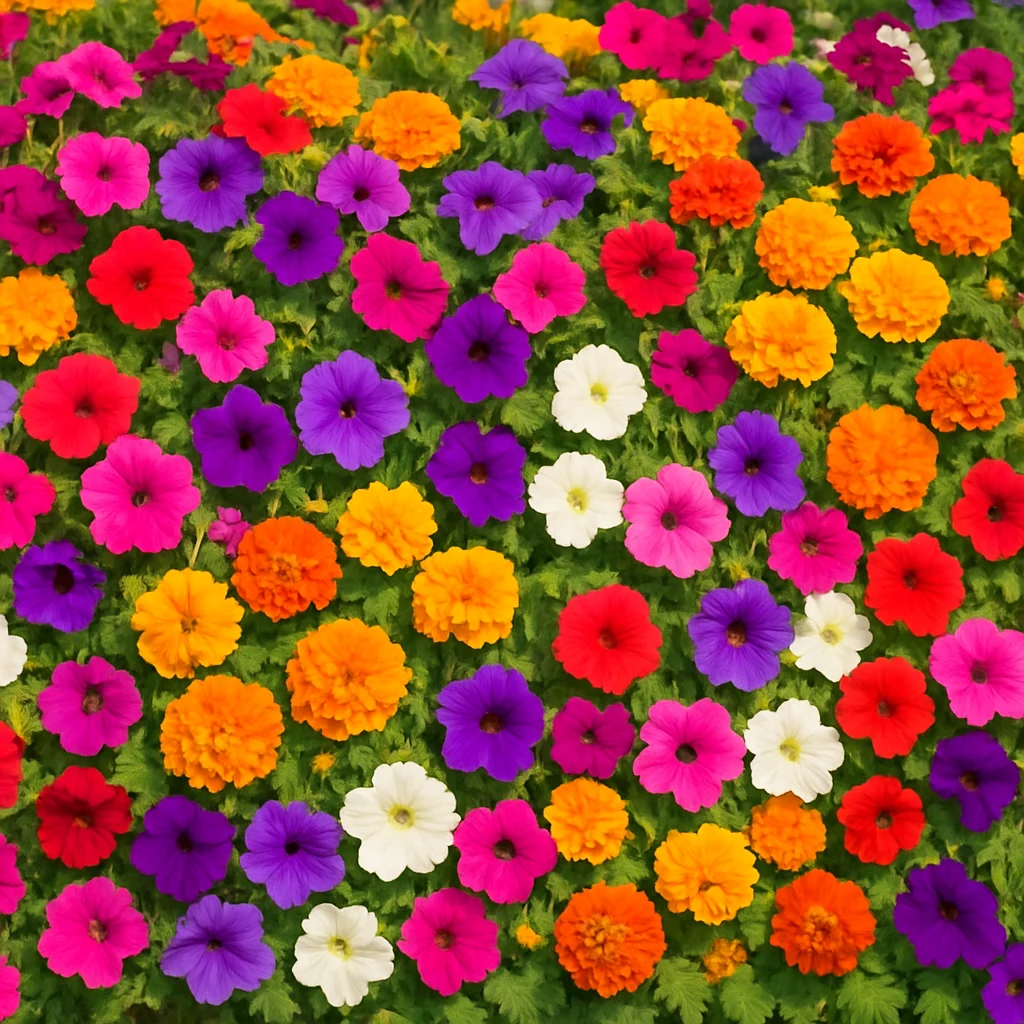
Instant impact. A newly planted perennial bed can look sparse for its first one to two years while roots establish. Annuals fill in immediately, which matters if you’re landscaping before a specific event or just want results this season, not in three years.
Flexibility to experiment. Since you’re replanting annually anyway, you can change colors and combinations every year without committing to a multi-year plant investment.
One regret that comes up often with new garden beds, annual or perennial, is buying too many different plant varieties without a plan — sometimes called “shopping cart” landscaping. A bed with five or six species chosen impulse-by-impulse at the nursery tends to look scattered no matter how nice each individual plant is, while a bed built from two or three repeated varieties reads as designed. That principle applies whichever side of the annual/perennial split you lean toward.
The Right Split for a Front Yard Bed
Use perennials as roughly 70% of the bed — the backbone that gives you structure and reliable return every year without effort. Fill the remaining 30% with annuals, concentrated in the front edge and any containers, where their continuous color does the most visible work. This gives you the long-term savings and low maintenance of perennials with the non-stop color of annuals exactly where passersby actually look.
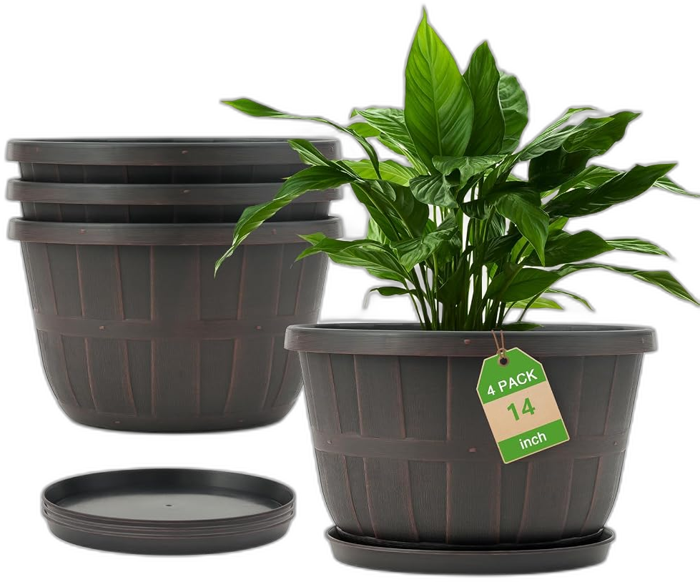
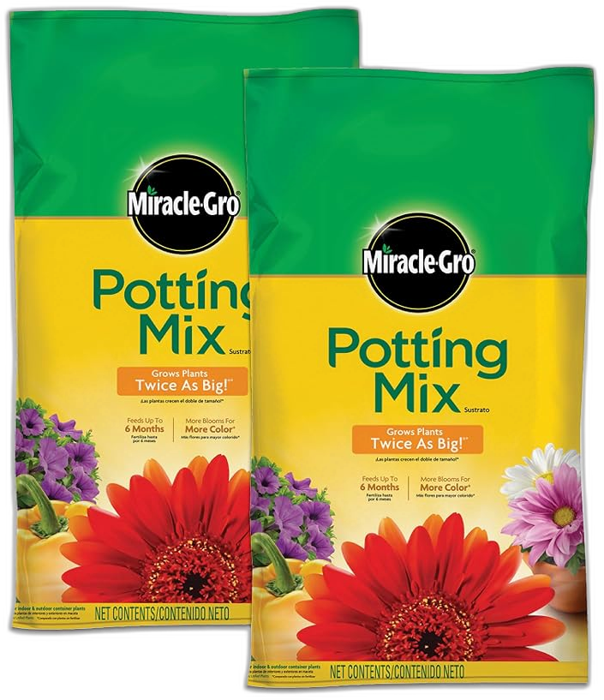
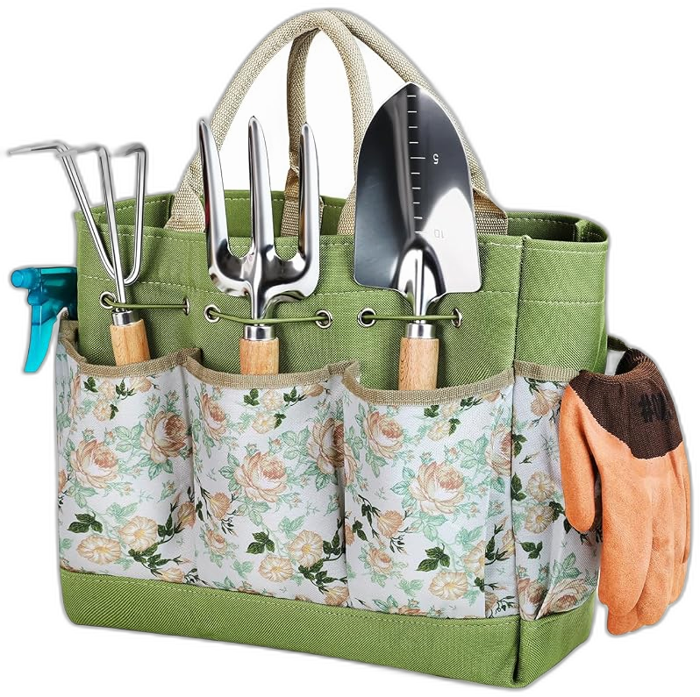
Tools and Supplies for This Project
Frequently Asked Questions
Are perennials cheaper than annuals in the long run?
Yes — despite a higher upfront cost, perennials return year after year, making them cheaper than replanting annuals every season over a multi-year span.
What’s the best ratio of annuals to perennials for a front bed?
Roughly 70% perennials for structure and reliability, 30% annuals concentrated at the front edge for continuous color.
Do perennials bloom all summer like annuals?
No — most perennials bloom for 2–4 weeks, while annuals bloom continuously from planting until frost.
Why does my new perennial bed look sparse?
Perennials take 1–2 years to fully establish their root systems and fill out; this is normal and improves each year.
Can I mix annuals and perennials in the same bed?
Yes — this is the recommended approach, using perennials as the backbone and annuals as color accents.
Related Guides
- 15 Flower Bed Ideas in Front of House
- Best Low-Maintenance Plants for Front of House
- How to Edge Flower Beds Like a Pro
- Landscaping the Front of Your House for the First Time

Sophia Turner covers budget home decor, seasonal styling, and outdoor spaces at The Dailey House. She has a talent for finding thrift store pieces that look like they cost three times what she paid, and a habit of redesigning her front porch every single season.