

A crisp edge between lawn and flower bed is the difference between a yard that looks landscaped and one that looks like it’s slowly losing a fight with the grass. It’s also the fastest, cheapest upgrade in this entire niche — under an hour of work with a tool you may already own.
Pick Your Edge Style First
Straight edges suit formal, geometric beds along a driveway or foundation line — mark them with a string line pulled taut between two stakes.
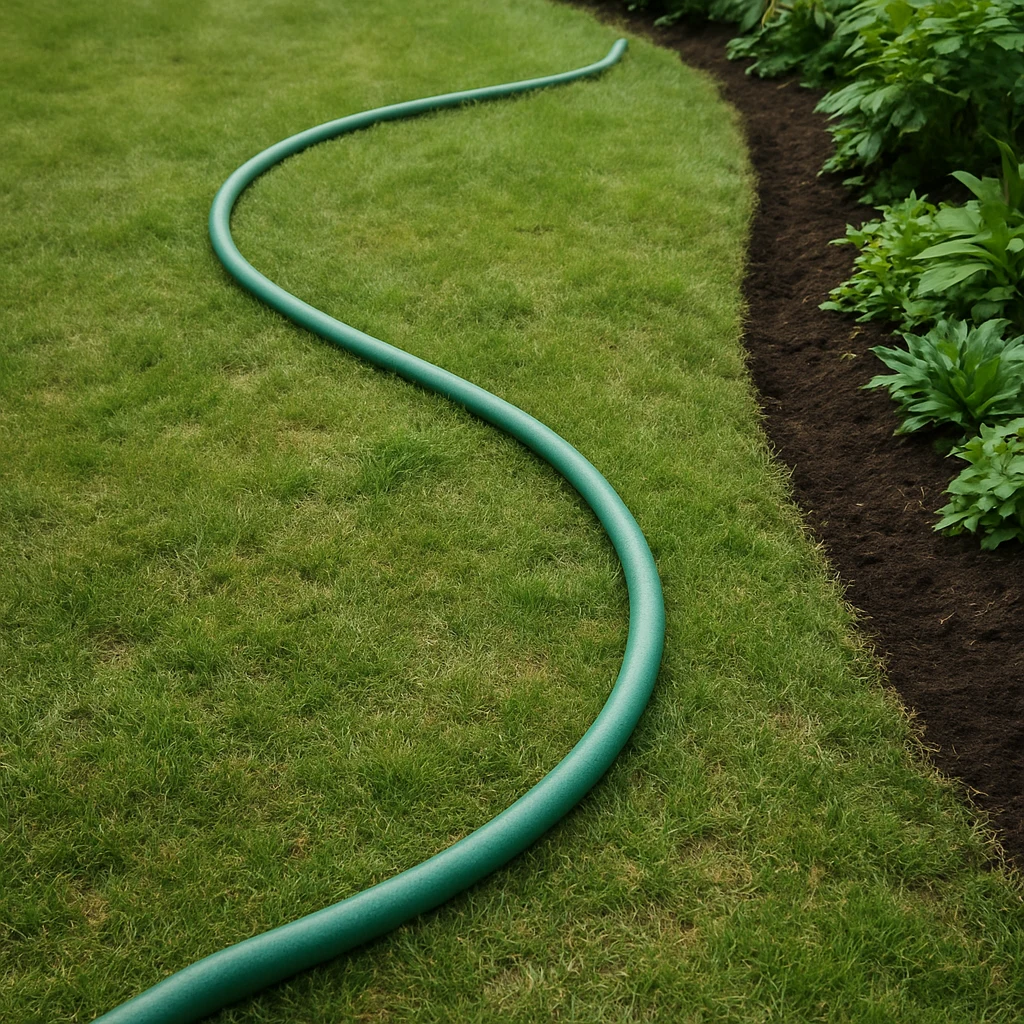
Curved edges suit informal cottage-style or island beds — lay a garden hose in the shape you want and adjust it until the curve looks natural, then mark it with marking paint or flour before you cut.
The Dug Edge (Free, Classic, Needs Yearly Refresh)
Tool: a half-moon edging shovel or a flat spade ($20–$35).
Step the blade straight down along your marked line — angling it produces a sloped edge that collapses within weeks. Press to a depth of 4–6 inches, then make a second angled cut from a few inches out in the lawn to meet the bottom of your first cut, forming a V-shaped trench. Lift out the wedge of sod and soil you’ve just freed, and rake the loose material into the bed.
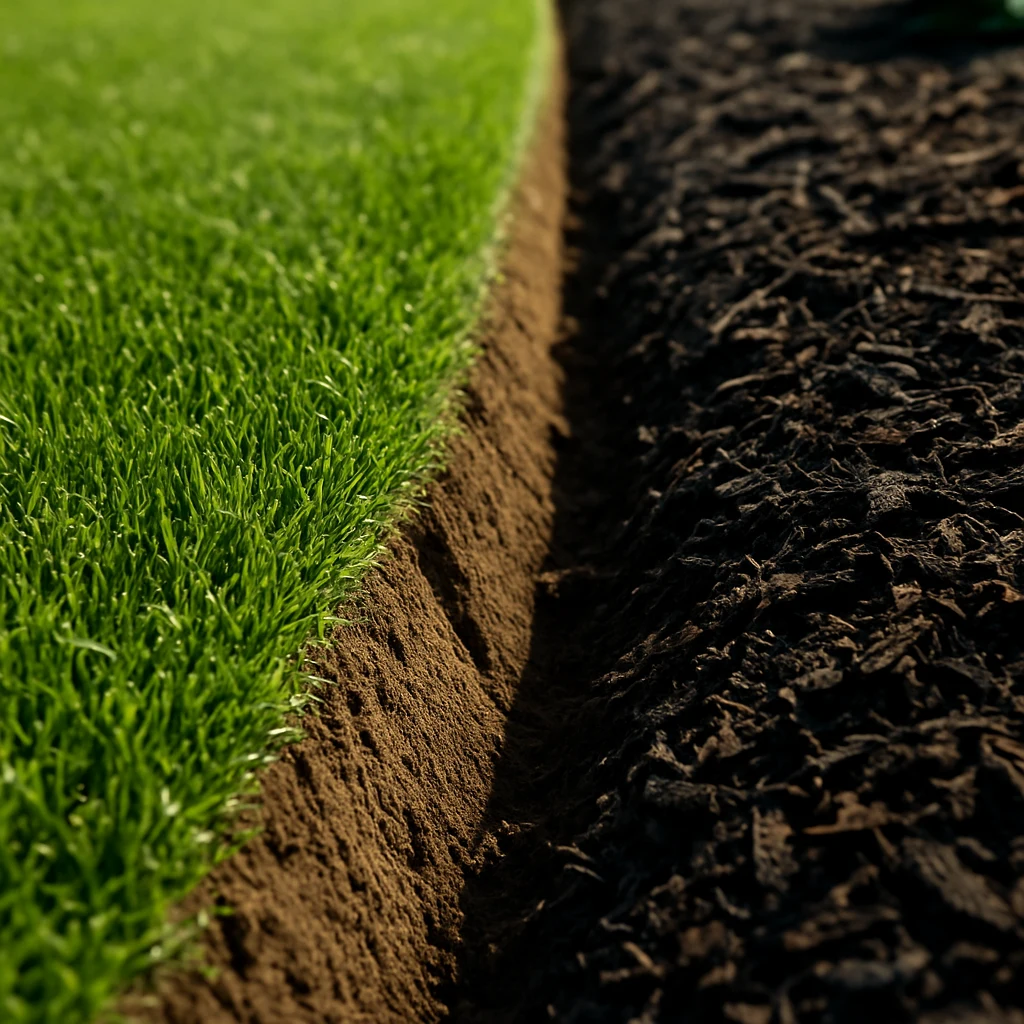
This is a genuine professional-landscaper technique, not a shortcut — the V-trench is what keeps grass roots from creeping back into the bed and gives you that crisp shadow line that reads as “maintained” from the street. Expect to redo it once or twice a season as grass regrows into the trench.
The Material Edge (One-Time Install, Lower Upkeep)
If you’d rather not re-cut the edge every few months, install a physical border instead. Dig a shallow trench along your marked line and set one of these:
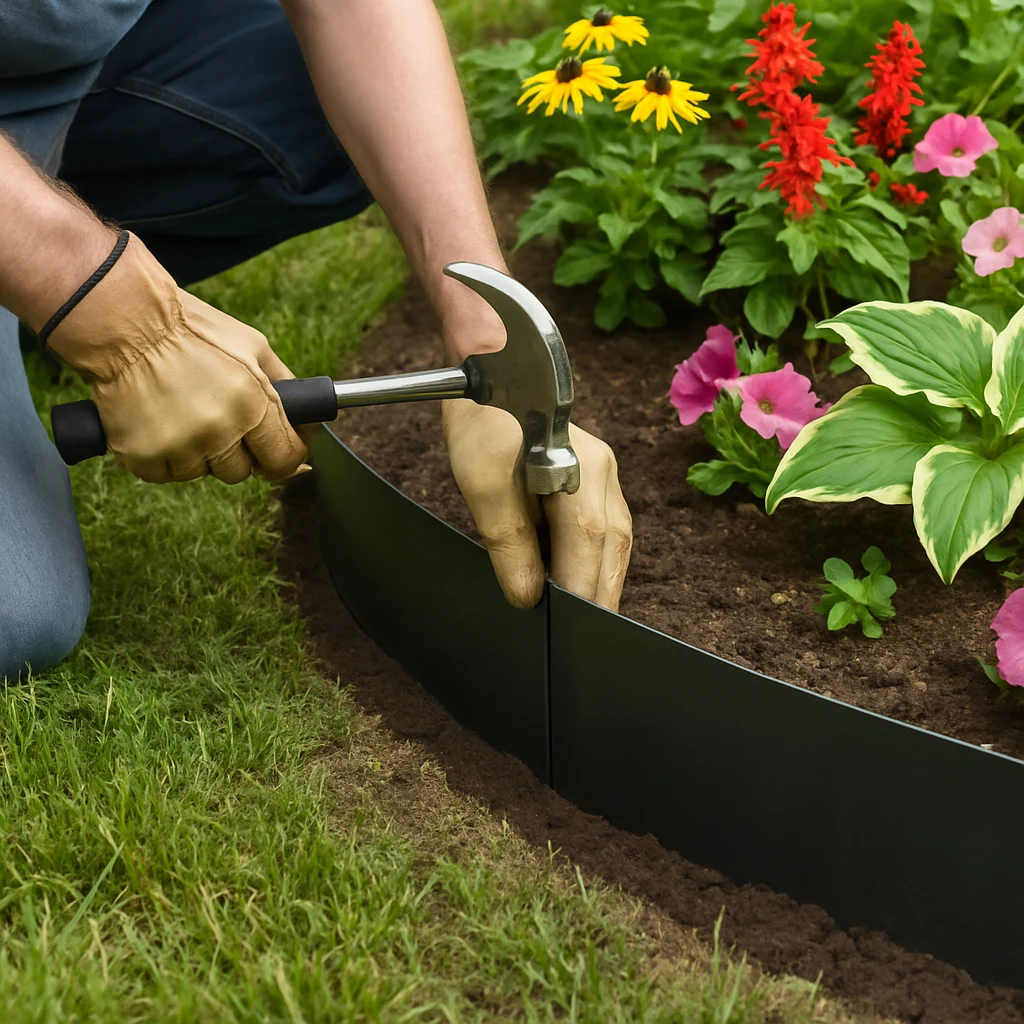
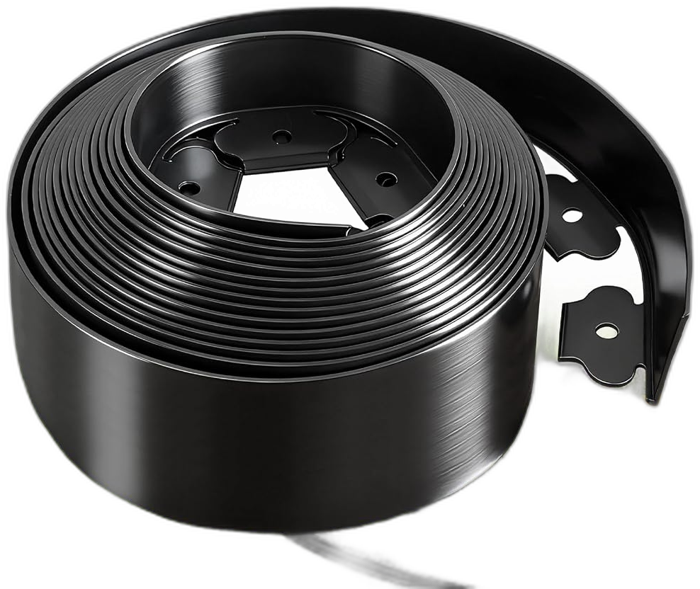
Steel or aluminum edging ($3–$6 per linear foot). Nearly invisible once installed, holds a clean curved or straight line indefinitely, and is the choice most professional landscapers actually use on high-end properties — it just doesn’t show up in casual “flower bed ideas” photos because it’s meant to disappear.
Natural stone or pavers ($2–$8 per stone depending on size). Set them half-buried along the trench, tamped level, for a border with visible texture that works well with cottage and farmhouse styles.
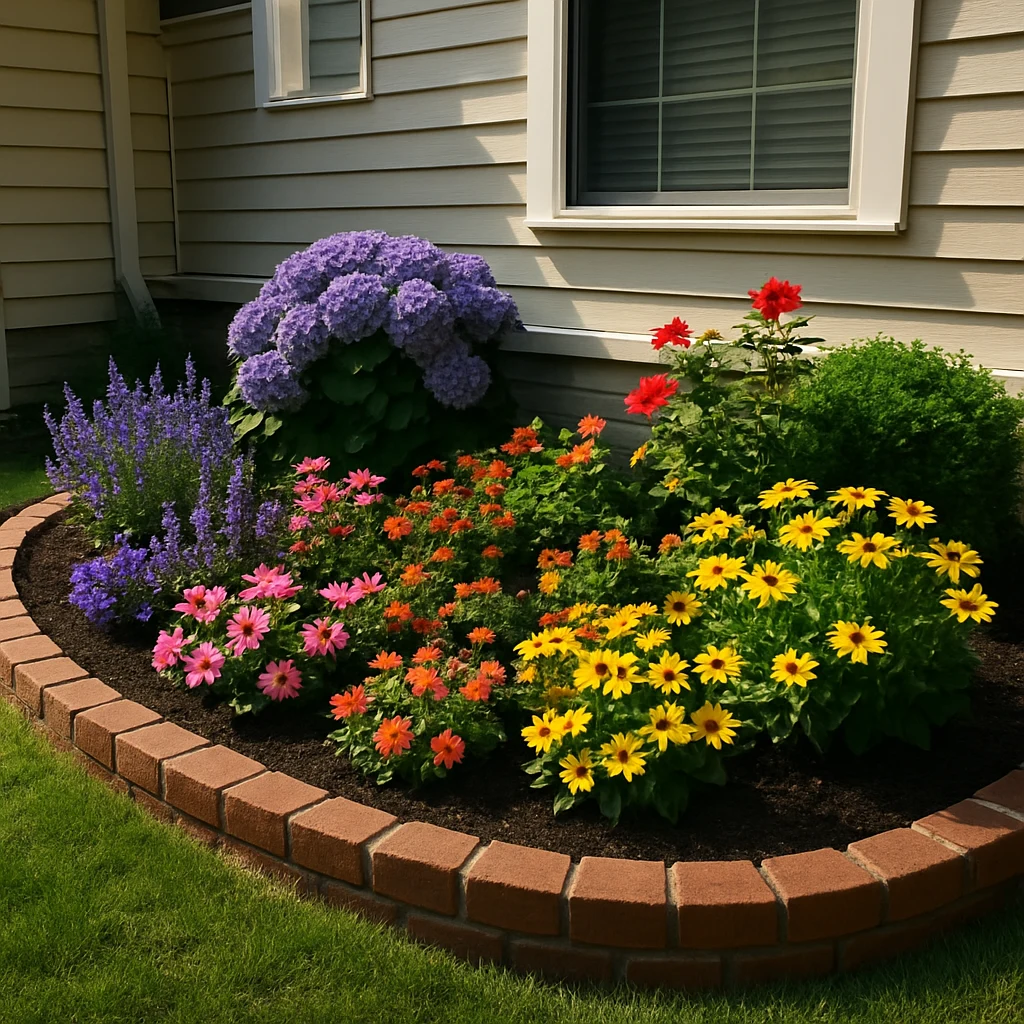
Brick edging ($1–$3 per brick). Laid flat or angled on point (“soldier style”) along the trench — the classic choice for traditional and colonial-style homes.
One warning that comes up repeatedly among gardeners: thin plastic edging is the material most often regretted. It’s the cheapest option upfront, but it tends to heave out of the ground over a season or two and grass still pushes through underneath it, so people end up redoing the edge anyway — often with one of the sturdier materials above. Spending a little more the first time on steel, stone, or brick avoids that repeat job.
Maintaining the Edge
A dug edge needs a touch-up cut every 6–8 weeks during the growing season to stay crisp — a string trimmer alone won’t hold the line, you need to re-cut with the edging shovel. A material edge just needs an annual check that grass hasn’t started creeping over the top, trimmed back with shears as needed.
Tools and Supplies for This Project
Frequently Asked Questions
How deep should a flower bed edge be cut?
4 to 6 inches deep at a 90-degree angle, which is deep enough to block grass roots from creeping back into the bed.
How often do I need to re-edge a flower bed?
A dug edge needs a touch-up cut every 6–8 weeks in growing season; a material edge (steel, stone, or brick) needs almost no re-cutting.
What’s the best tool for edging flower beds?
A half-moon edging shovel gives the cleanest line for a dug edge; it costs $20–$35 and is a one-time purchase that lasts for years.
Is metal or stone edging better?
Metal edging holds a line more precisely and disappears visually; stone edging adds visible texture and suits cottage-style beds better.
Can I edge a flower bed without digging?
Yes — surface-set edging like brick or stone laid without a deep trench works, but it won’t block grass roots as effectively as a dug or buried edge.
Related Guides
- 15 Flower Bed Ideas in Front of House
- Best Low-Maintenance Plants for Front of House
- 16 Small Front Yard Ideas
- 18 Front Yard Landscaping Ideas

Sophia Turner covers budget home decor, seasonal styling, and outdoor spaces at The Dailey House. She has a talent for finding thrift store pieces that look like they cost three times what she paid, and a habit of redesigning her front porch every single season.