

Most “easy plant” guides stop at care instructions. That’s not enough. In real homes, plants fail not because they’re hard—but because they’re poorly placed, mismatched to the space, or styled without intention.
This upgraded guide focuses on how plants actually behave in lived-in interiors—and how to use them as design tools, not just decor.
What “Low Maintenance” Really Means (In Real Homes)
Low-maintenance plants succeed when they can tolerate:
- Irregular watering habits (busy schedules, travel)
- Mixed lighting conditions (curtains, shaded windows, artificial light)
- Temperature fluctuations (AC, fans, seasonal shifts)
Designer insight:
In 80% of homes I’ve worked on, plant failure came from over-attention, not neglect. Clients water on a schedule instead of checking soil. The result? Root rot.
👉 Actionable rule:
Stick your finger 2 inches into the soil. If it’s dry, water. If not, wait. Ignore calendars.
The Best Low-Maintenance Plants (Styled for Real Spaces)
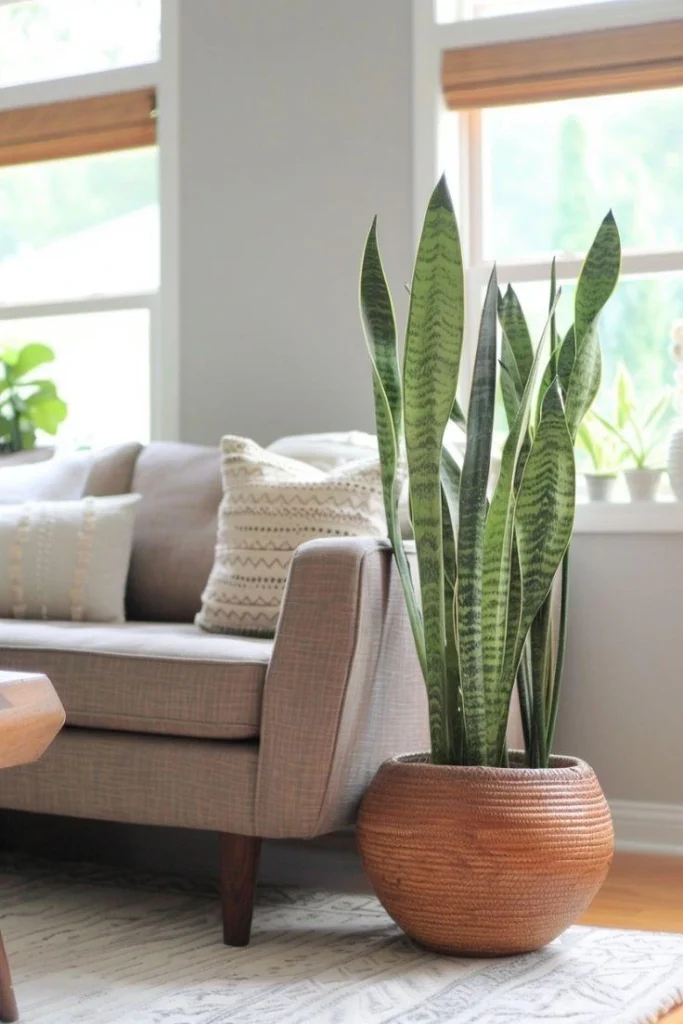
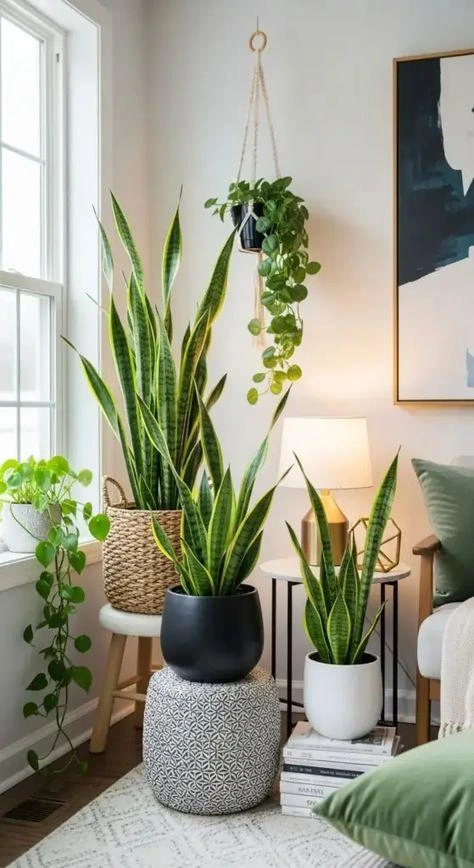
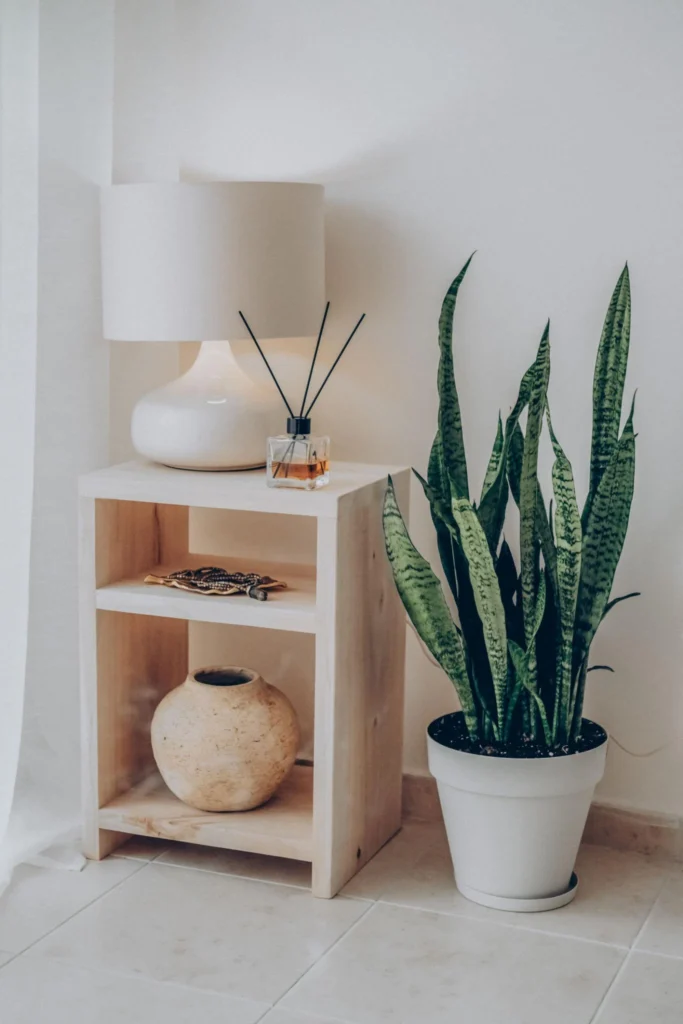
Snake Plant — Best for Structural Balance
Where it actually works:
- Empty corners next to sofas
- Beside TV units to soften hard edges
- Entryways where sunlight is inconsistent
Real-world example:
In a compact apartment living room, placing a tall snake plant beside a bulky sofa visually “lightens” the corner—without adding furniture.
Avoid this mistake:
Don’t place it in the center of a room—it’s a background enhancer, not a focal point.
ZZ Plant — Best for Low-Light Dead Zones
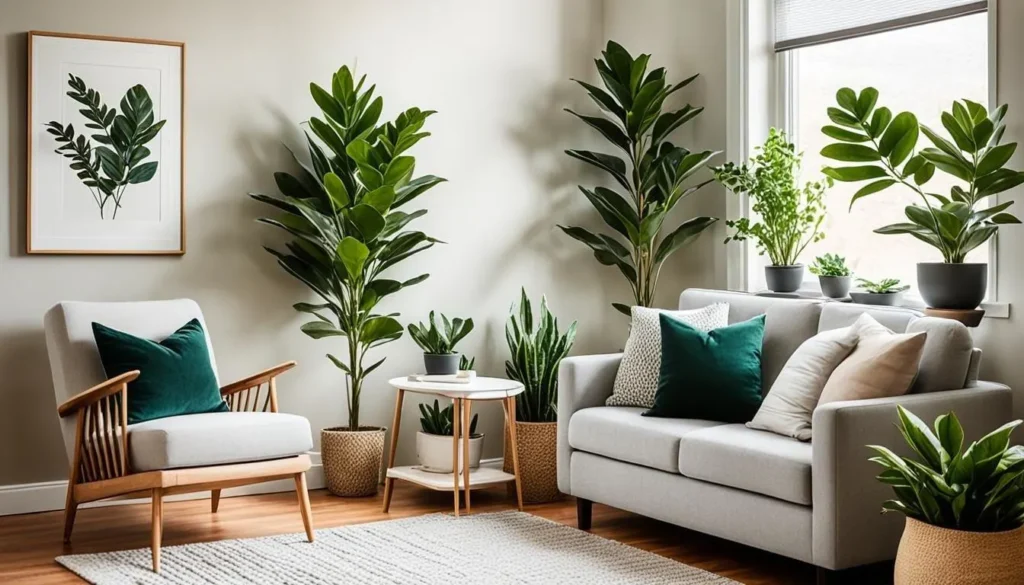
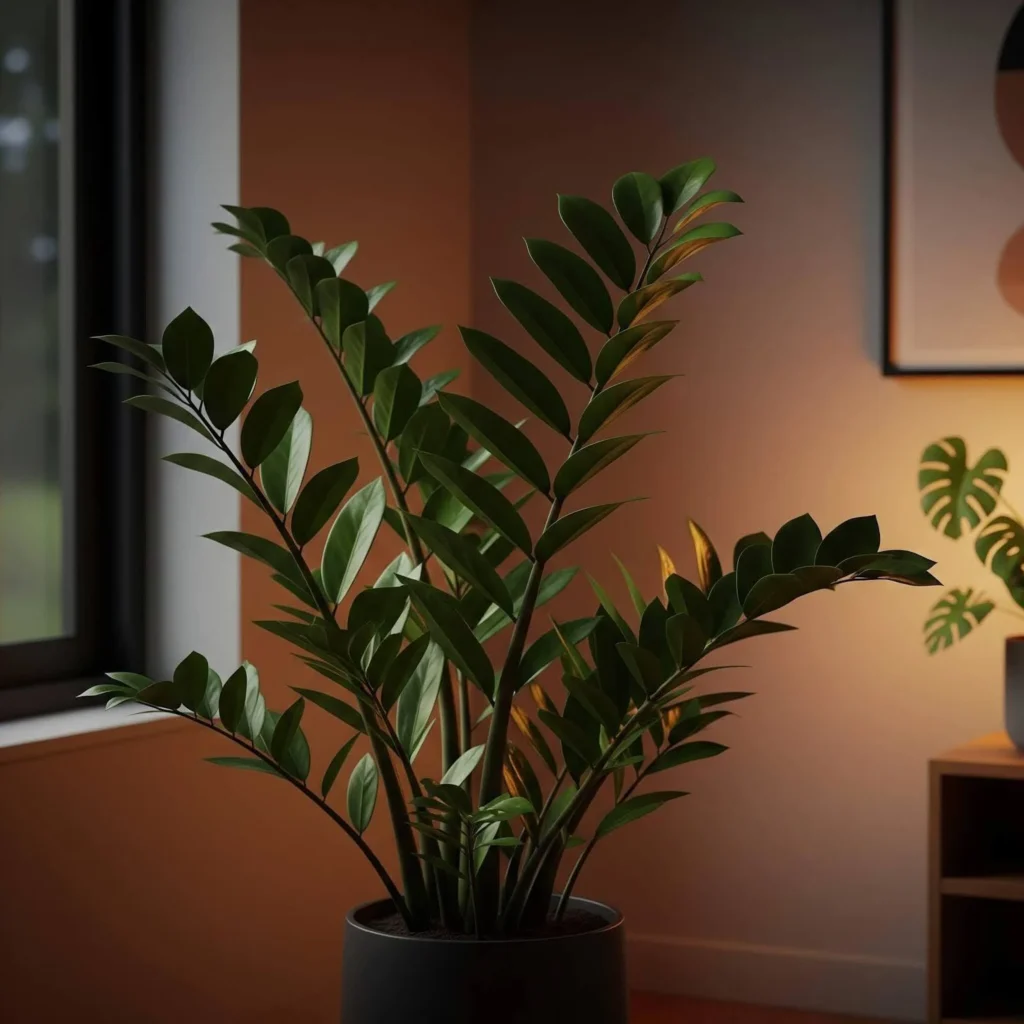
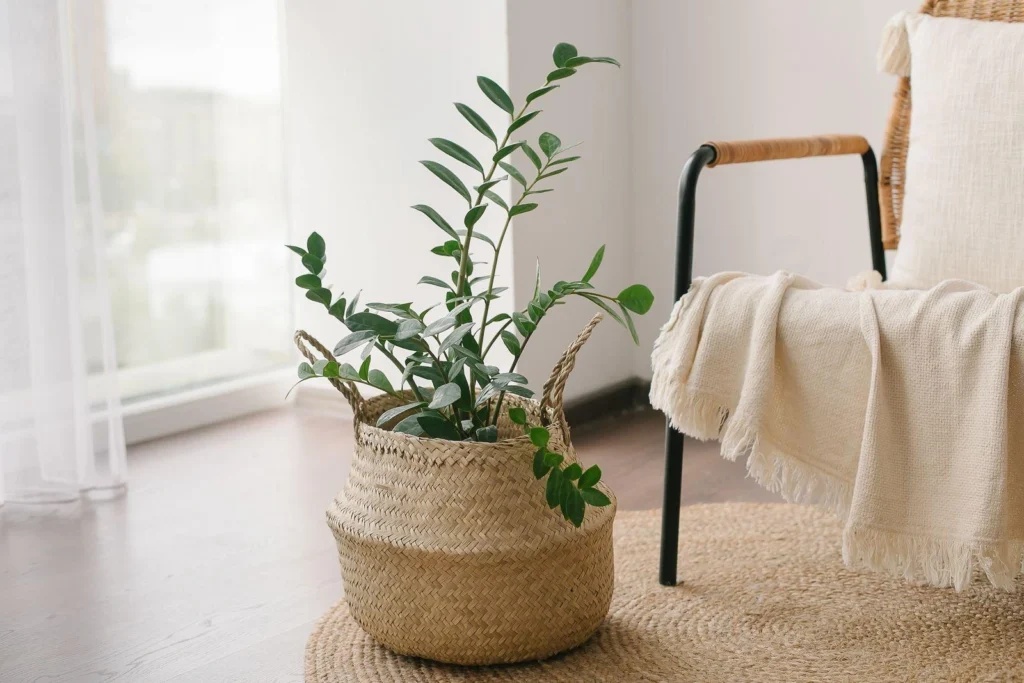
Where it actually works:
- Windowless offices
- Hallway consoles
- Corners blocked by furniture
Designer insight:
ZZ plants reflect light slightly due to glossy leaves—use them near dark wood furniture to prevent the area from feeling heavy.
👉 Practical tip:
Rotate the plant every 2–3 weeks so it grows evenly instead of leaning.
Pothos — Best for Softening Hard Lines
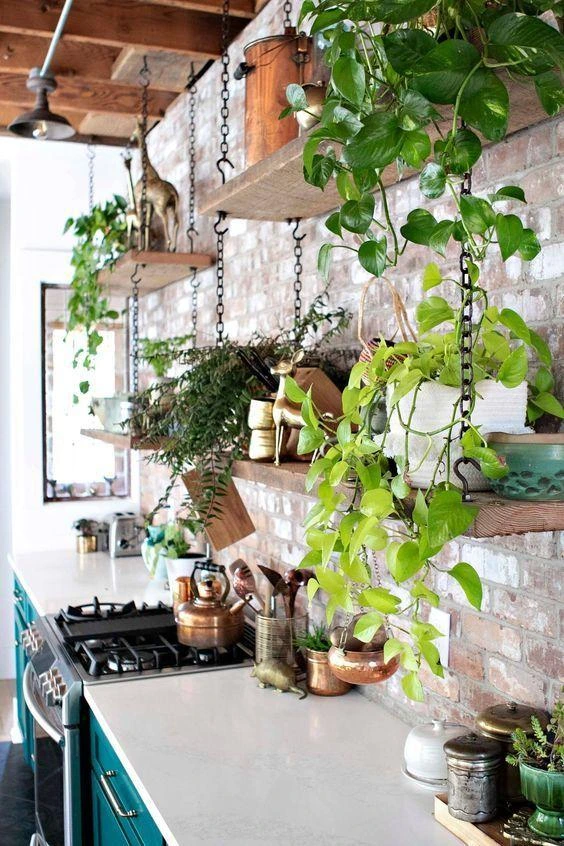
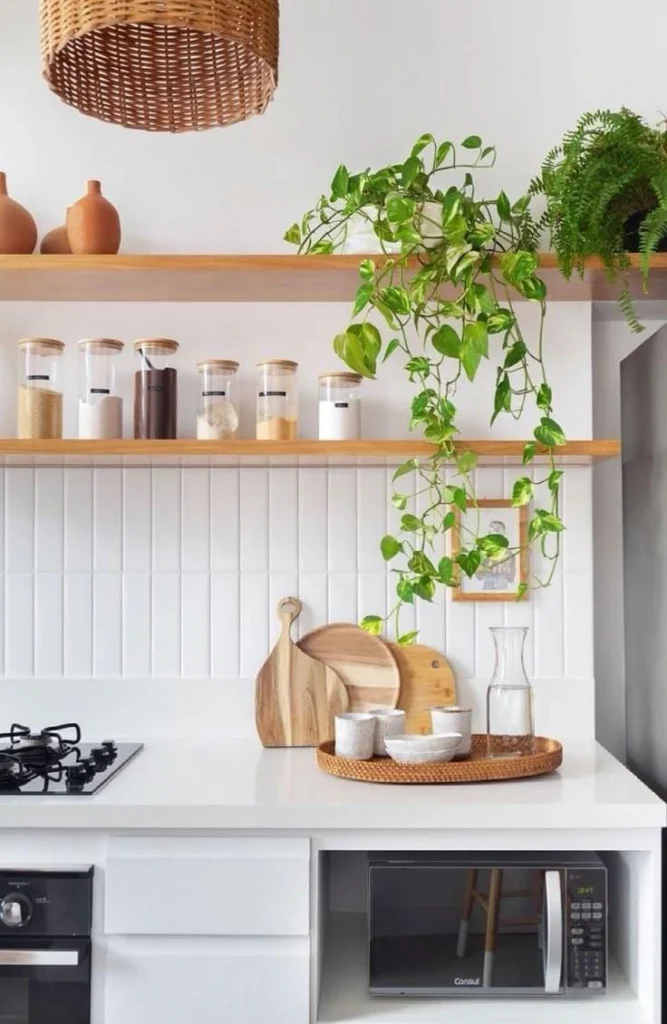
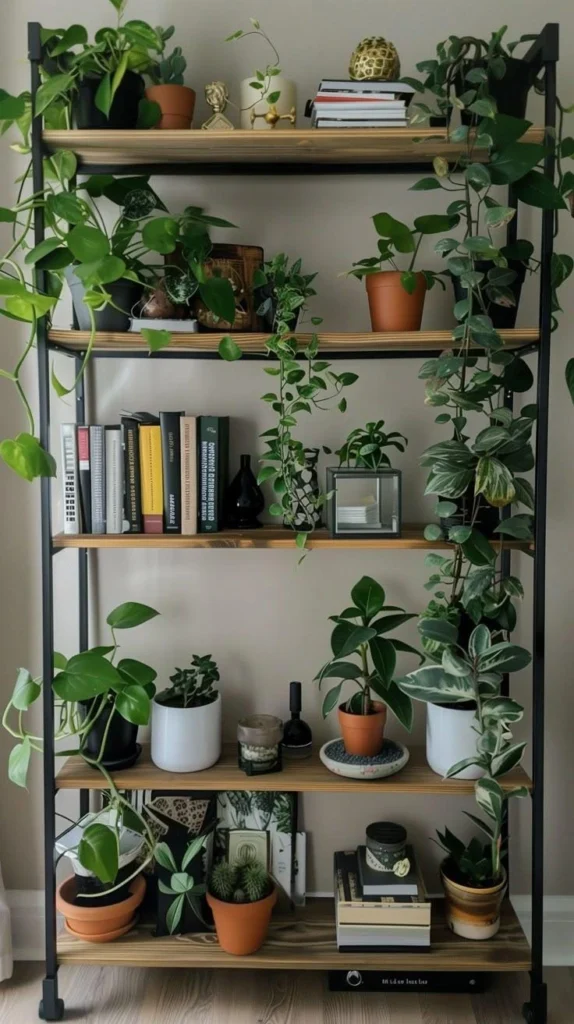
Where it actually works:
- Kitchen cabinets
- Floating shelves
- Bookshelves
Real-world example:
If your shelves feel rigid or “boxy,” a trailing pothos breaks that stiffness instantly.
👉 Actionable styling trick:
Let vines grow to eye level or slightly below—too short looks unfinished, too long looks messy.
Rubber Plant — Best for Statement Impact
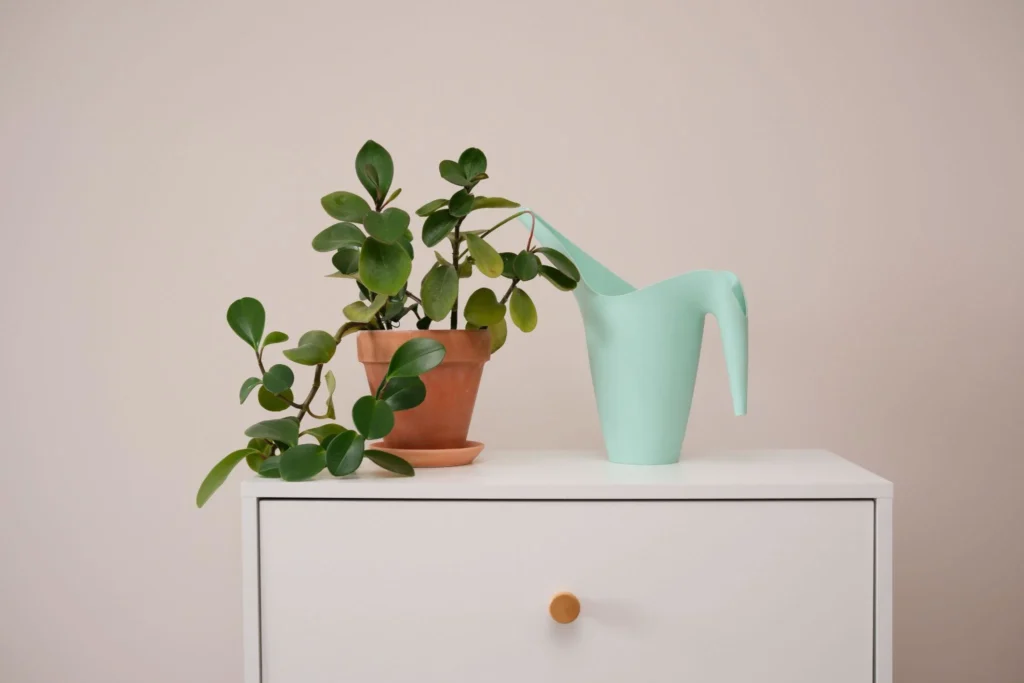
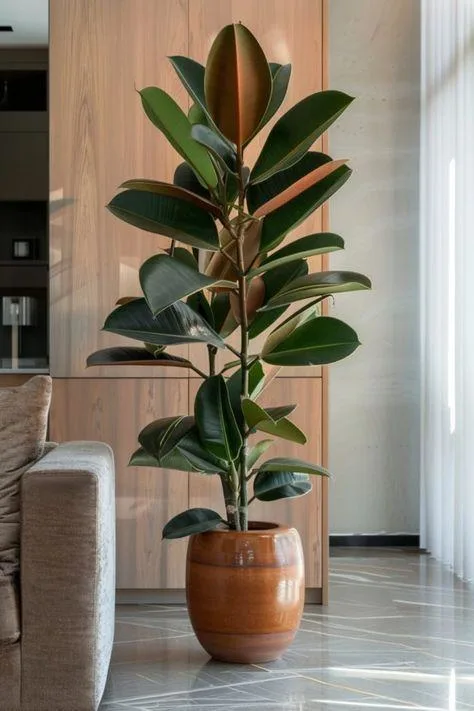
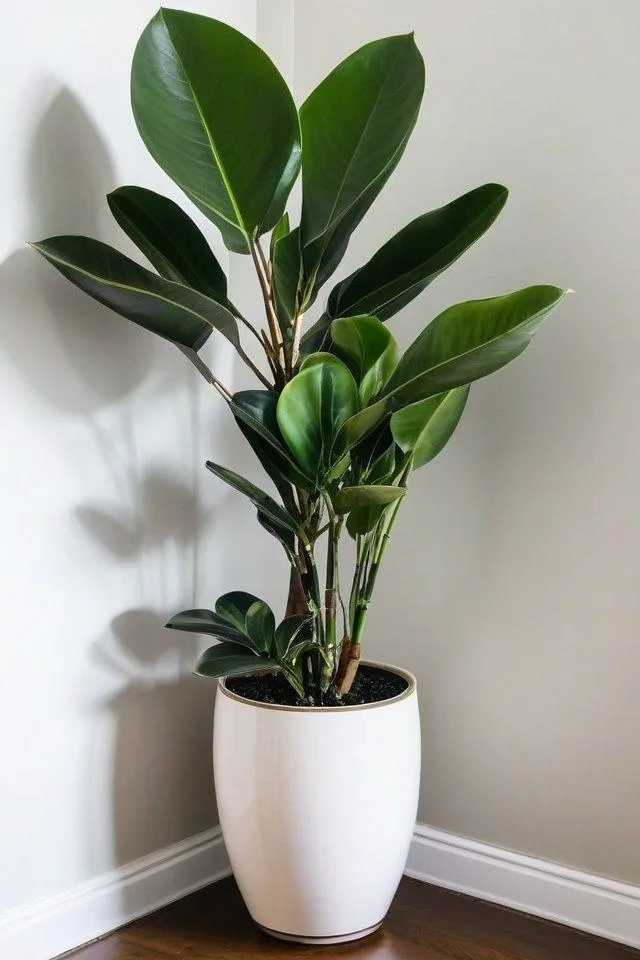
Where it actually works:
- Next to accent chairs
- Near large windows
- In unused corners that need weight
Designer insight:
Rubber plants act like a visual anchor, similar to a floor lamp or sculpture.
👉 Placement rule:
Leave at least 20–30 cm breathing space around it—crowding reduces its impact.
Peace Lily — Best for Soft, Calm Spaces
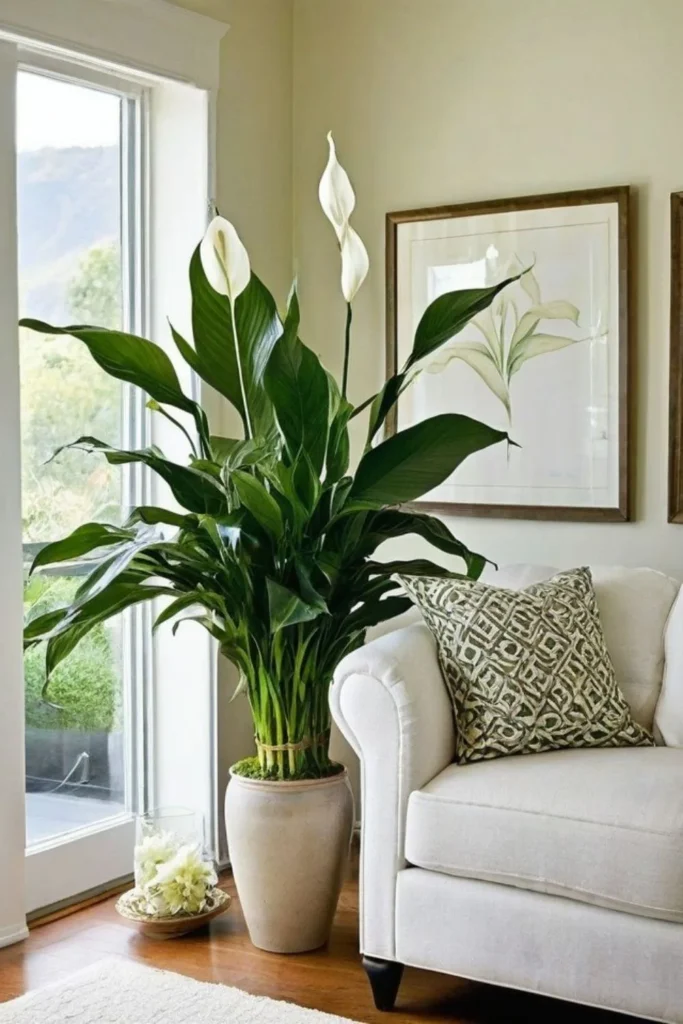
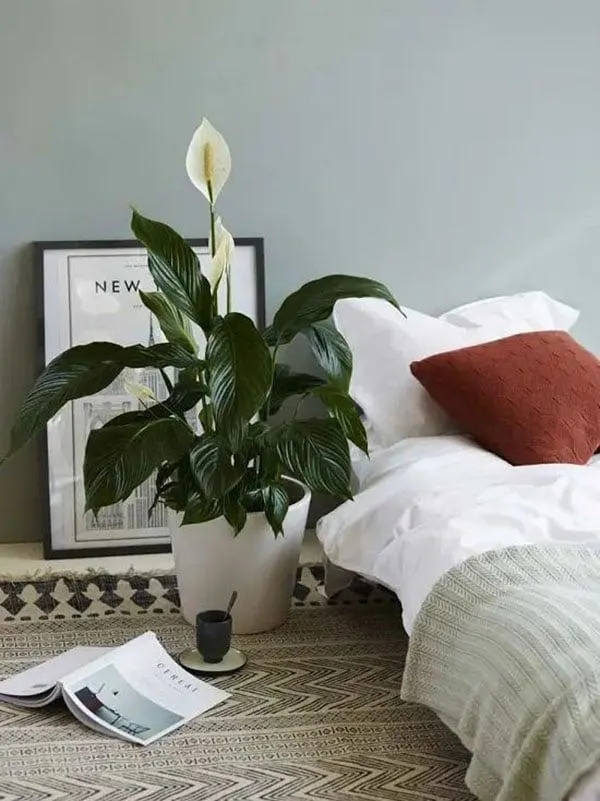
Where it actually works:
- Bedrooms
- Reading corners
- Bathrooms with indirect light
Real-world behavior tip:
Peace lilies visibly droop when thirsty—this makes them one of the easiest plants to “read.”
👉 Actionable tip:
Water immediately when drooping—but don’t pre-water “just in case.”
Styling Plants by Interior Design Style (With Real Layout Guidance)
Modern / Minimalist
What works in reality:
- 1 large plant + 1 small accent plant is enough
- Too many plants ruin the clean aesthetic
Layout example:
- Snake plant in corner
- Small ZZ plant on side table
Materials:
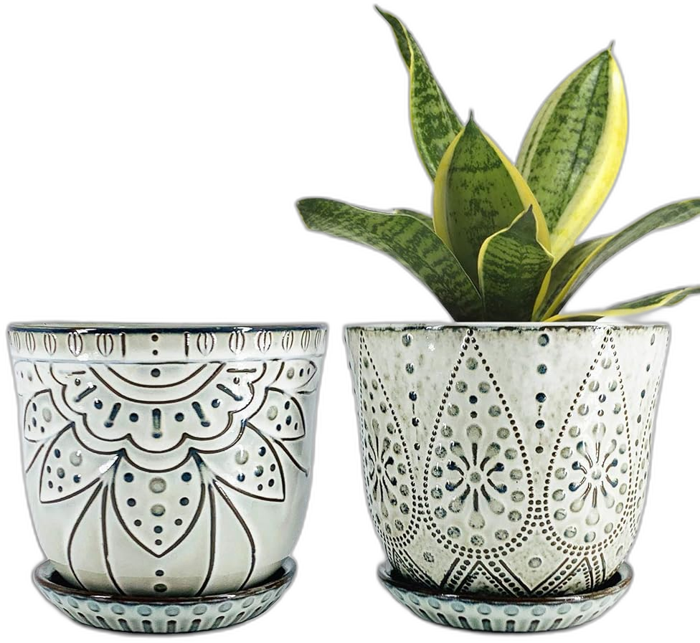
- Matte ceramic
- Concrete
- Black metal
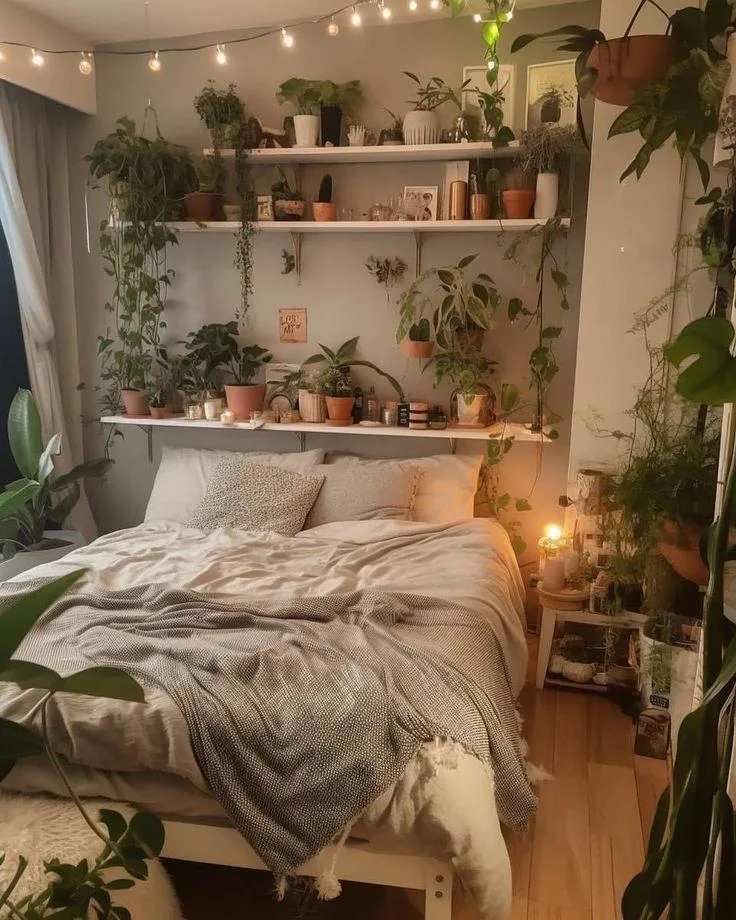
Boho / Eclectic
What works in reality:
- Controlled layering—not chaos
Layout formula:
- 1 floor plant
- 1 hanging plant
- 1 shelf plant
Materials:
- Woven baskets
- Terracotta
- Macramé
👉 Common mistake:
People add too many small plants. Instead, vary height, not quantity.
Scandinavian
What works in reality:
- Fewer plants, more intentional placement
Layout example:
- One pothos near window
- One peace lily near bed
Color palette:
- White
- Soft grey
- Pale wood
- Muted green
👉 Pro tip:
Keep at least 30–40% empty surface space. Plants should breathe visually.
Budget vs Luxury: What Actually Makes a Difference
Budget Setup ($15–$50)
- Nursery plants (smaller size)
- Plastic pots hidden in baskets
- DIY stands or shelves
👉 Smart trick:
Spend less on plants, more on one good-looking planter—that’s what people notice.
Mid-Range ($50–$150)
- 2–3 plants of varying height
- Ceramic or matte pots
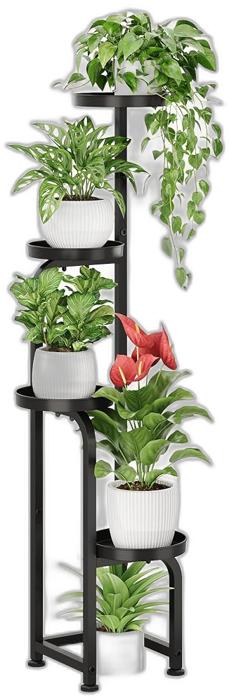
- One plant stand
Luxury ($200+)
- Large statement plant (rubber plant or mature snake plant)
- Sculptural planters (stone, terrazzo)
- Accent lighting aimed at foliage
👉 Designer insight:
Lighting is what makes plants look expensive—not the plant itself.
Practical Placement Rules You Can Actually Follow
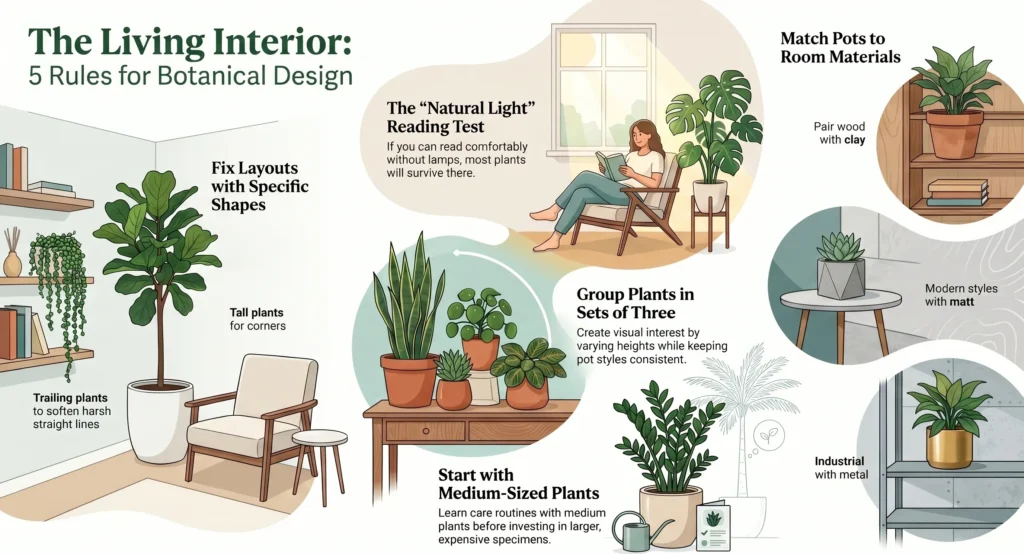
1. Use Plants to Fix Layout Problems
- Empty corner → tall plant
- Too many straight lines → trailing plant
- Room feels flat → vary plant height
2. Always Check Light Direction
- North-facing → low-light plants (ZZ, snake plant)
- South-facing → most plants thrive
- East-facing → gentle morning light (ideal)
👉 Quick test:
If you can comfortably read a book without turning on lights, most plants will survive there.
3. Group Plants Intentionally
Instead of scattering:
- Group in sets of 3
- Vary height (short, medium, tall)
- Keep pot style consistent
4. Match Pots to Materials in the Room
- Wooden furniture → warm clay or textured ceramic
- Modern interiors → smooth matte finishes
- Industrial → concrete or metal
5. Don’t Oversize Too Soon
Beginners often buy large plants immediately.
👉 Better approach:
Start medium-sized. Learn care. Upgrade later.
Common Beginner Mistakes (And Real Fixes)
Mistake: Watering on a schedule
→ Fix: Check soil manually
Mistake: Putting plants where they “look good”
→ Fix: Place based on light first, then style
Mistake: Too many small plants
→ Fix: Fewer, larger plants
Mistake: Ignoring pot drainage
→ Fix: Always use pots with drainage holes or inner liners
Final Design Perspective
Plants are not accessories—they’re living spatial tools.
A well-placed plant can:
- Replace a piece of furniture
- Balance a room visually
- Add warmth without clutter
If you do just three things right:
- Choose the right plant for your light
- Place it with intention
- Keep styling simple
—you’ll achieve a space that feels designed, not decorated.
Plant Care Picks

Related Guides

Daniel Carter covers the practical side of home improvement at The Dailey House — drainage fixes, DIY yard projects, patio makeovers, and the kind of weekend builds that actually get finished. If there's a smarter or cheaper way to do it, he's tested it.