
A small front yard doesn’t need more plants — it needs better decisions. The yards that photograph well aren’t the biggest, they’re the most deliberate: fewer elements, repeated on purpose, with one or two focal points instead of a dozen competing ones.
These sixteen ideas are grouped by what they actually change — fast no-dig wins, plants that earn their space, layout tricks that make the yard read bigger than it is, and the lighting details that finish the look.
Fast, No-Dig Wins
Start here if you rent, if this is a weekend project, or if you just want the fastest visible change. None of these four require breaking ground.
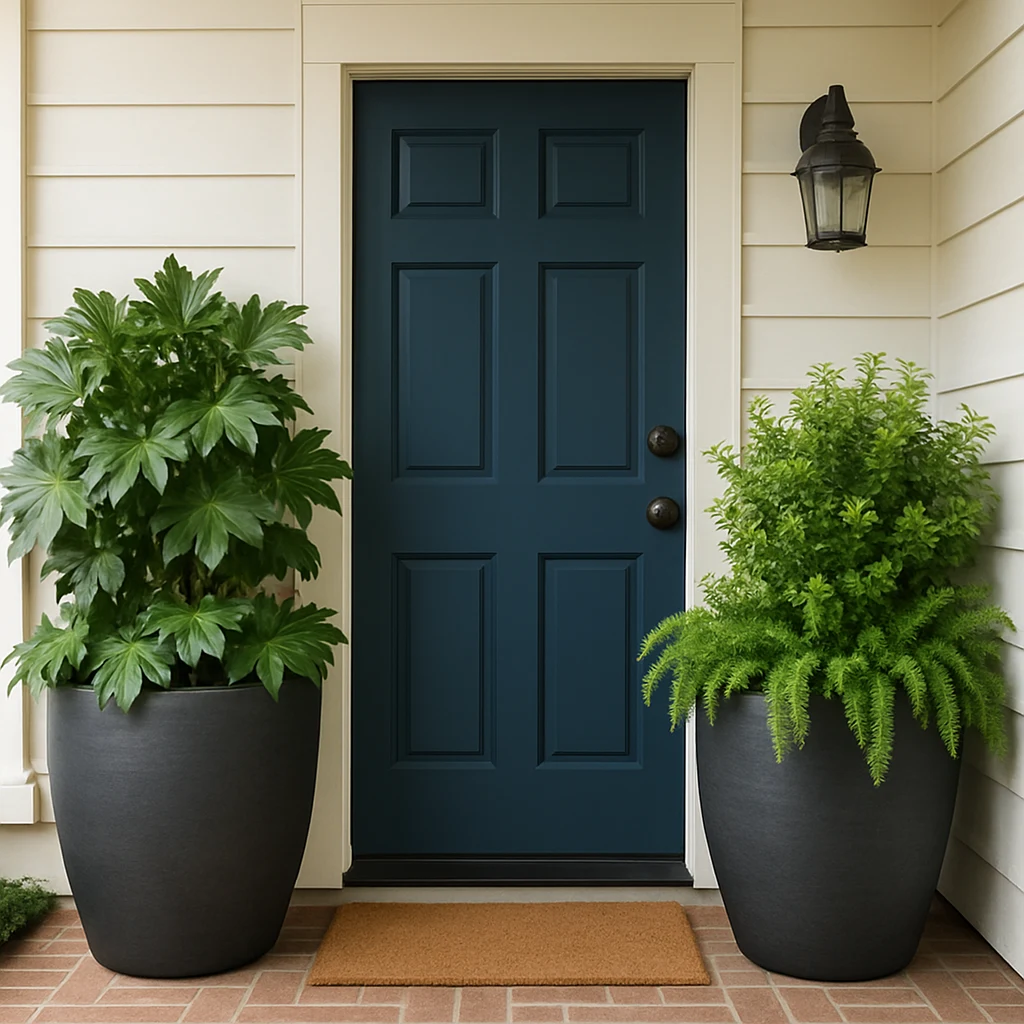
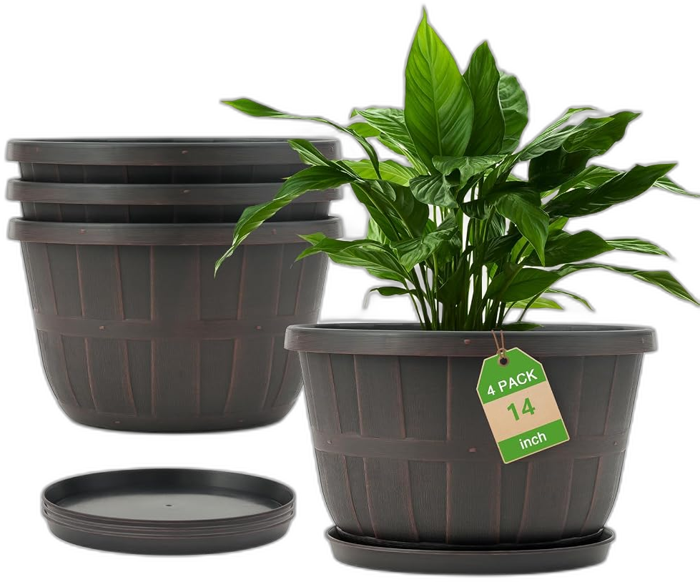
1. Statement planters at the door. Two large matching planters (16”–20” wide) flanking the front door read as intentional design the moment you place them, even before anything’s planted in them. Budget $30–$60 per planter for a durable resin or fiberglass pair. This is the single fastest way to make a small entry look styled instead of bare, and it pairs with our front porch flower pot ideas if you want specific plant combinations.
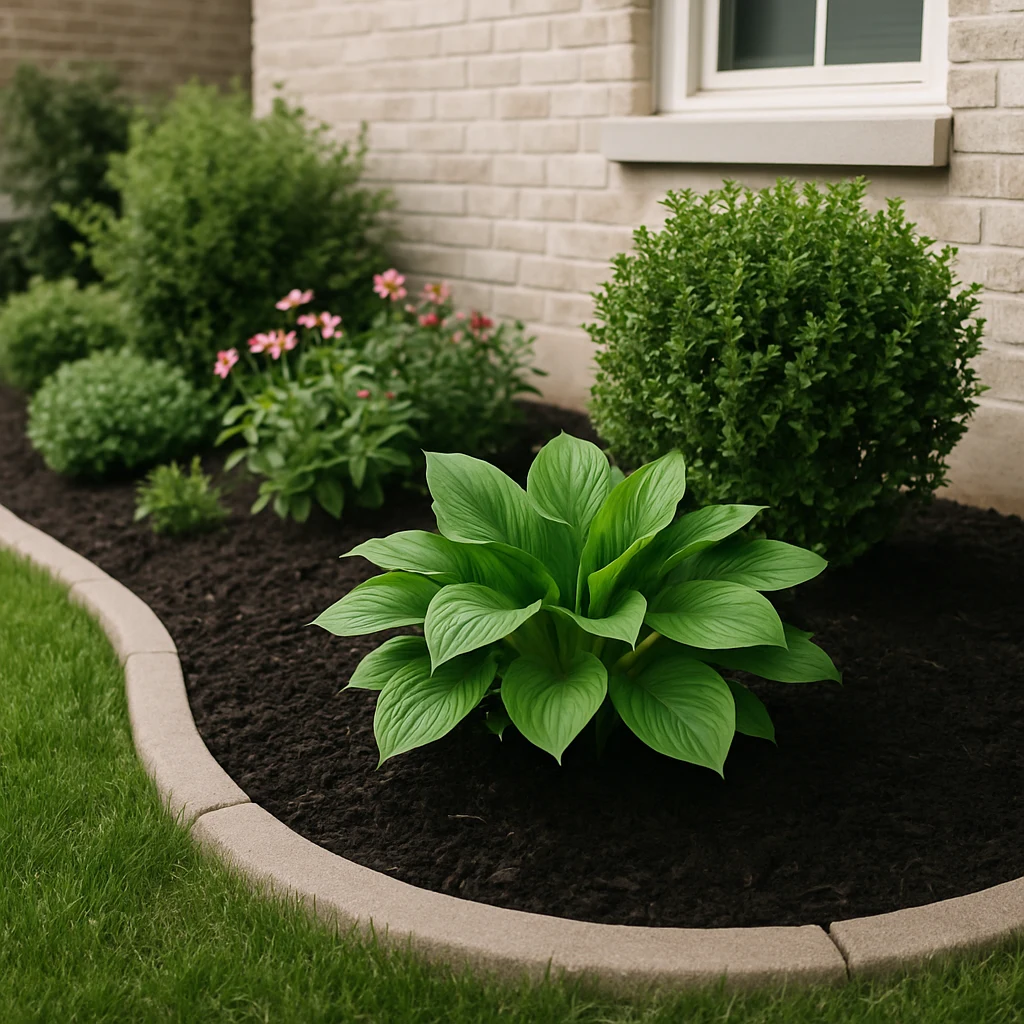
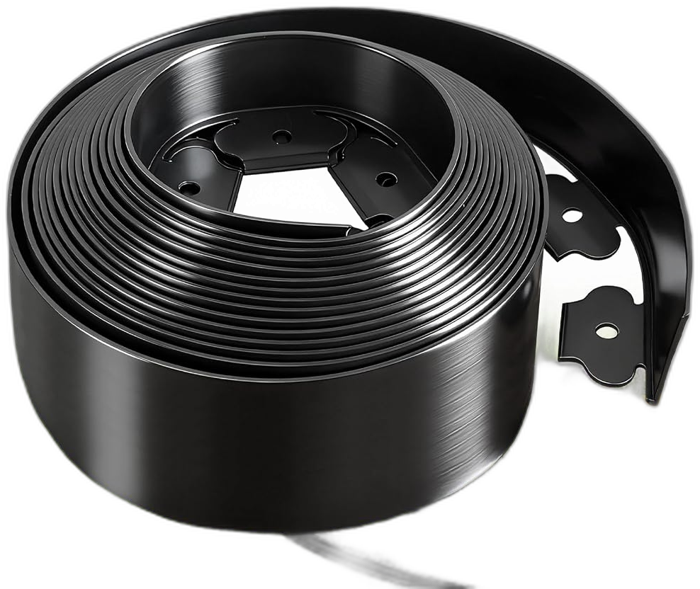
2. Fresh mulch and clean bed edging. A crisp edge between lawn and bed, topped with a fresh 2″ layer of mulch, is the cheapest transformation on this entire list — usually under $40 for a small yard — and it makes every plant already in the ground look intentional instead of neglected. Re-edge and re-mulch once a year and the whole yard reads as maintained even between plantings.
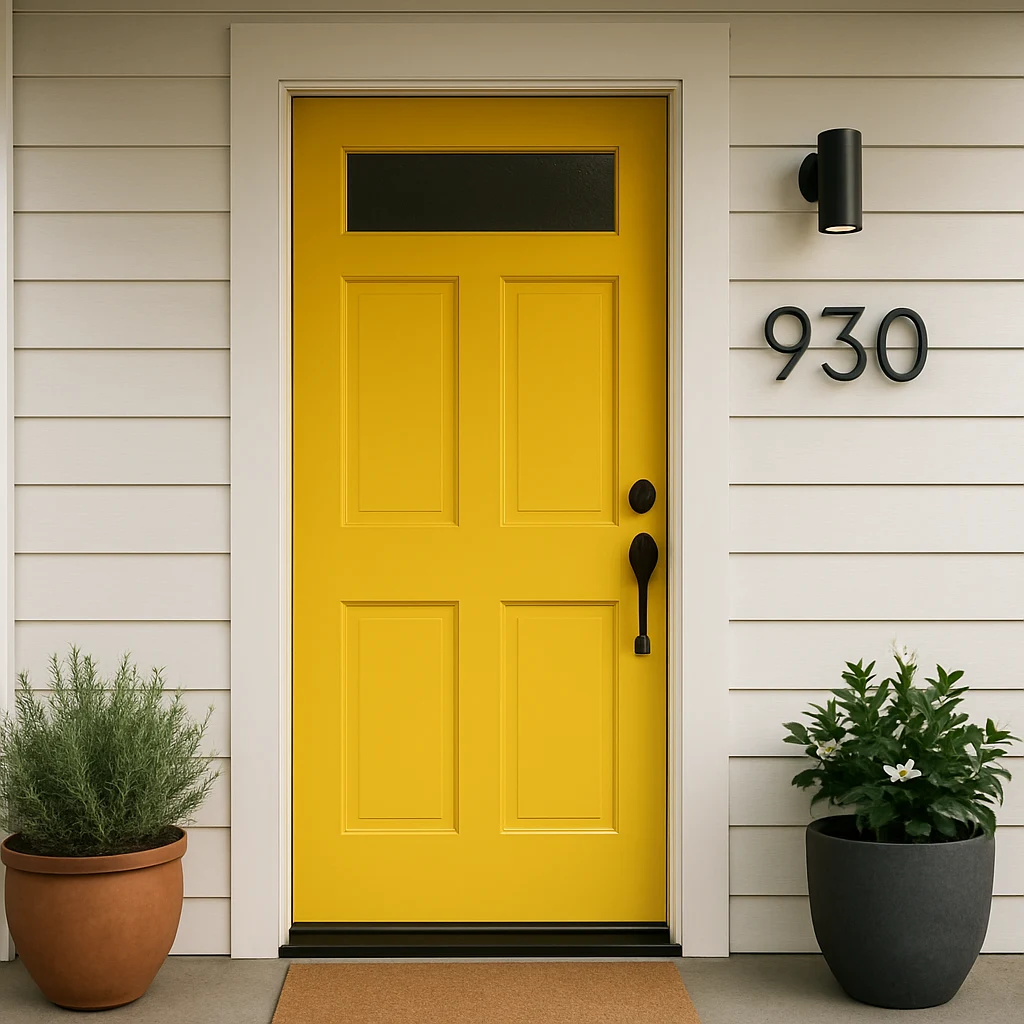
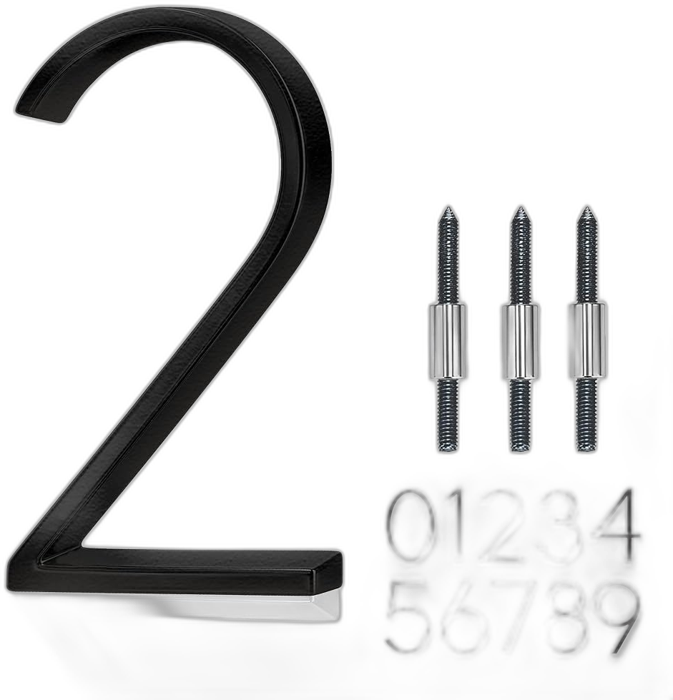
3. New house numbers and a repainted door. Modern floating house numbers ($20–$40) plus a can of exterior door paint in a bold contrasting color ($35–$50) change more visual perception per dollar than almost anything else you can do to a small yard, because the door is the focal point every front-yard photo composes around.
4. A power-washed walkway. Two years of dirt, algae, and pollen buildup on a concrete or paver walkway reads as neglect even in an otherwise well-kept yard. A rental power washer costs $40–$60 for a half-day and takes under an hour for a typical front walk — it’s the fix people notice without being able to say exactly why the yard looks better.
Plants That Do the Most in the Least Space
A small yard can’t fit twenty plant varieties and still look organized. These four earn their space by doing more visual work per square foot than a scattered mixed border.
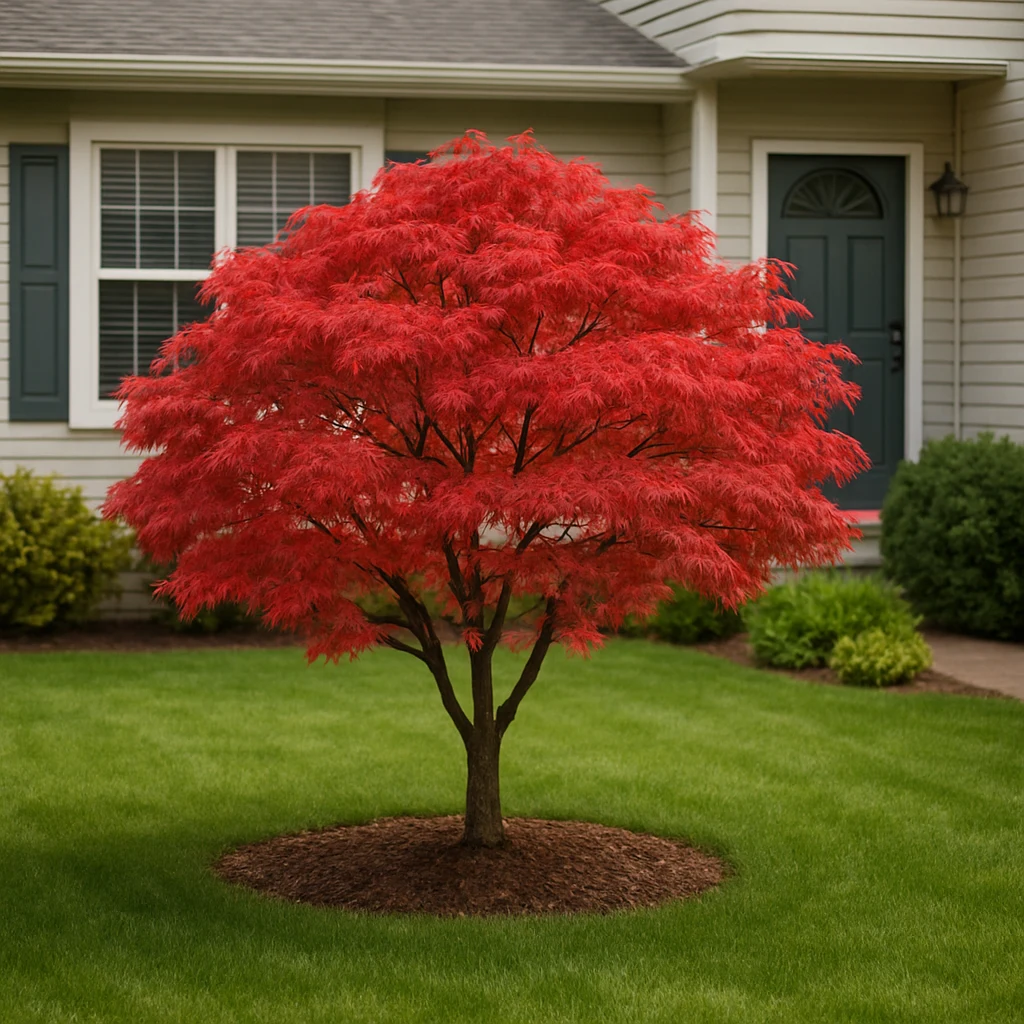
5. One statement tree. A single well-placed ornamental tree — a Japanese maple, a crepe myrtle, or a dwarf flowering variety suited to your zone — gives a small yard the vertical anchor that a scattered collection of shrubs never will. Expect $80–$200 for a nursery specimen large enough to make an immediate impact, planted off-center rather than dead-center for a more natural look.
6. Symmetrical matching shrubs. A single pair of identical, compact evergreen shrubs (boxwood, dwarf holly) at the base of the steps or flanking the walkway gives a small yard the same calm, ordered feeling as matching porch planters. Budget $25–$45 per shrub for a size that already looks established.
7. A color-themed flower border. Picking two or three colors and repeating them along one bed — instead of a rainbow mix — is the difference between a border that looks curated and one that looks accidental. A themed annual border for a small front bed runs $40–$80 depending on plant size, and it’s the fastest plant-based project to redo each season.
8. Window boxes under the front windows. Window boxes add color at a second visual height without taking any ground space at all, which matters most in the smallest yards. A pair of boxes with brackets and seasonal flowers costs $50–$90 installed and is one of the highest-ROI additions for a yard too small for a full garden bed.
Layout Tricks That Make a Small Yard Look Bigger
This is the part most guides skip. It’s not what you plant, it’s how you arrange it — and it’s free.
9. Layer planting height front to back. Placing the tallest plants at the back of a bed, medium plants in the middle, and low ground cover at the front creates depth that tricks the eye into reading the yard as larger than its actual footprint — the same layering principle landscape designers use in yards ten times the size. This costs nothing beyond your existing plants; it’s purely about placement.
10. Curve the walkway instead of running it straight. A straight line from sidewalk to door shows the entire yard at a glance and makes it feel smaller. A gentle curve, even a subtle one, forces the eye to travel and makes the same square footage feel like it has more to it. Reworking an existing paver or gravel path into a curve is a weekend project with no new material cost if you’re reusing what’s there.
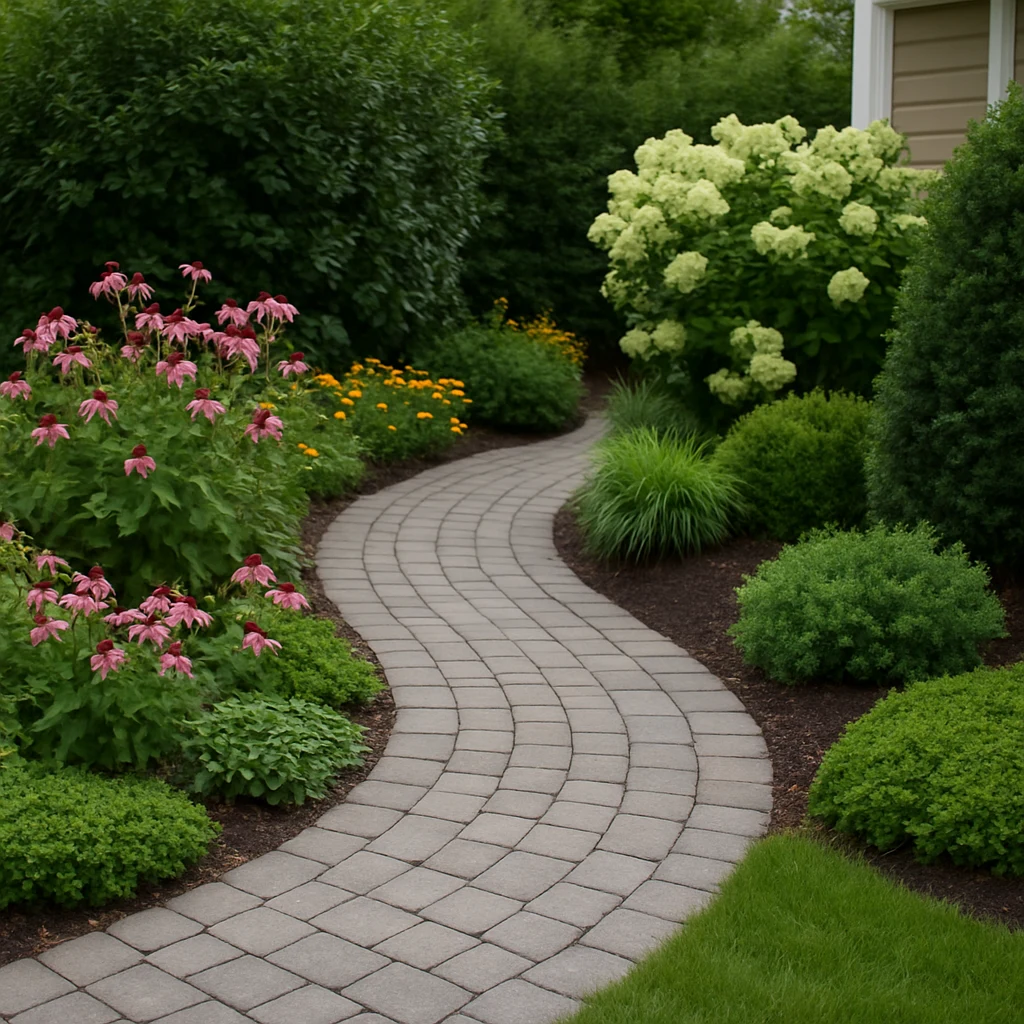
11. Shrink the lawn, define the bed. A smaller, sharply-edged lawn framed by wider planting beds reads as more intentional than a large uninterrupted rectangle of grass, and it’s counterintuitively the trick that makes a small yard look designed rather than just small. This is a weekend of edging work, not a purchase.
12. Repeat one plant or color three times. Using the same plant or bloom color at three points across the yard — at the mailbox, by the door, and along the walkway — creates visual rhythm that makes the eye connect the whole yard as one composition instead of separate unrelated spots. It’s the single most common trick behind yards that photograph as “more put-together” than their actual plant budget would suggest.
Lighting and Finishing Details
The last four percent of a small yard makeover is what makes it look finished instead of in-progress.
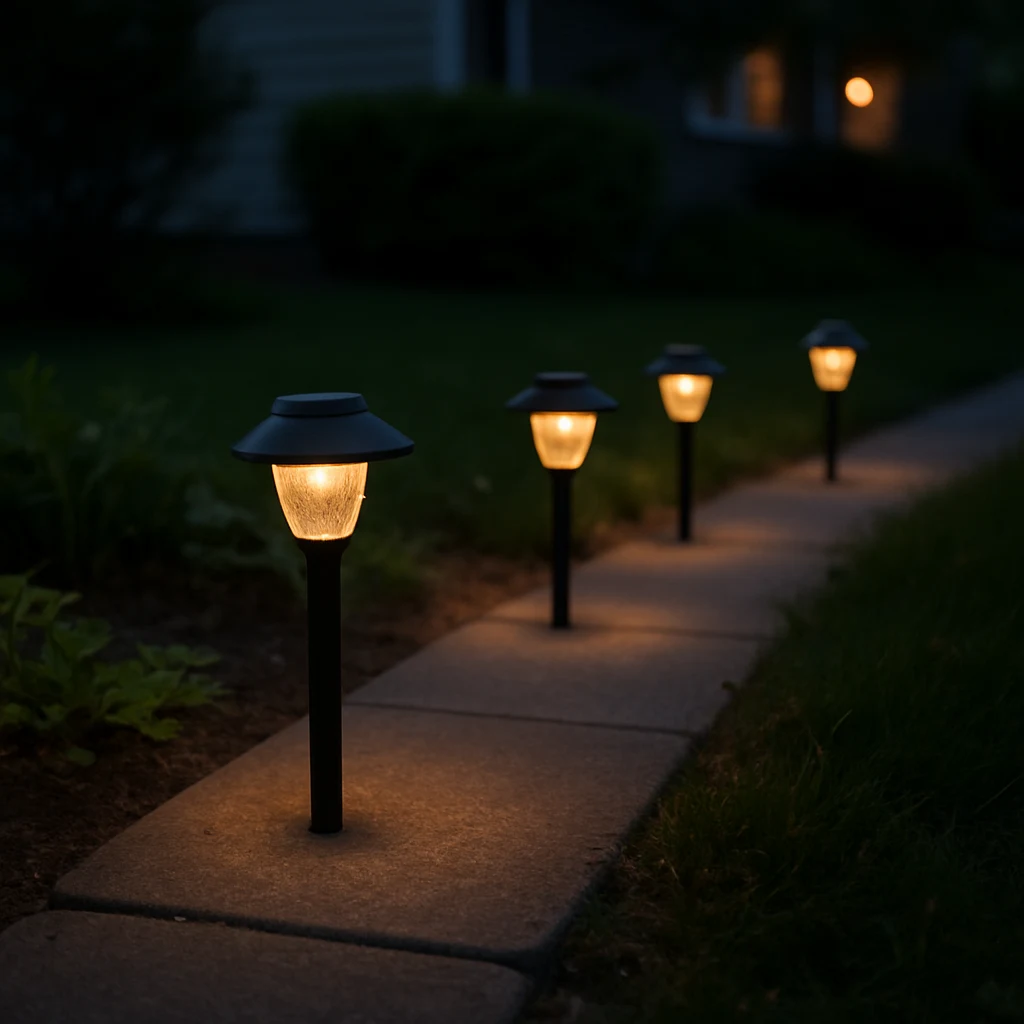
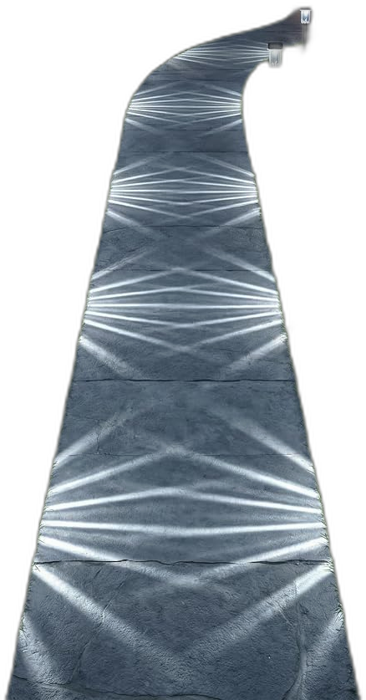
13. Low-voltage path lighting. A basic six-pack of solar or low-voltage path lights ($30–$50) along the walkway extends the yard’s visual impact into the evening and adds a safety benefit after dark. No electrician needed for solar kits — most stake directly into the bed and charge during the day.
14. Vines on a trellis or fence line. A single trellis with a climbing vine (clematis, climbing hydrangea depending on zone) adds vertical greenery without taking any ground space, which is exactly the tradeoff a small yard needs. A trellis and starter vine runs $25–$45 and fills in significantly by its second season.
15. No-mow ground cover between pavers. Creeping thyme or Irish moss planted in the gaps of a paver walkway softens hard edges and eliminates the awkward strip of mulch or gravel that usually sits between pavers. It costs $15–$30 in starter plants for a typical front walk and spreads to fill in within a season.
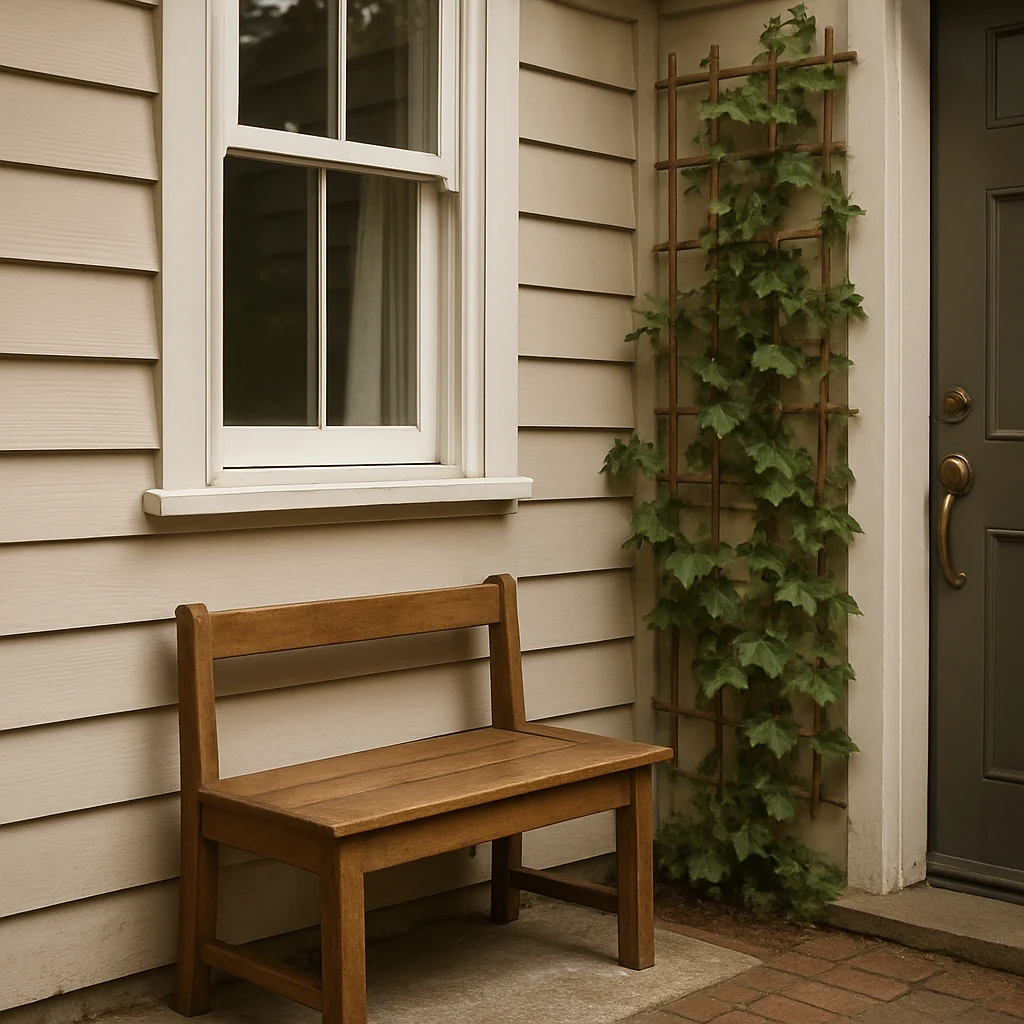
16. A small bench or seating nook. Even a single narrow bench tucked beside the door or under a window signals that the yard is a space to be in, not just a space to walk through — a subtle shift that makes a small yard feel considered rather than purely functional. A compact outdoor bench runs $60–$150 depending on material.
Tools and Supplies for This Project
Frequently Asked Questions
What makes the biggest difference in a small front yard?
Statement planters at the door and a repainted front door change the most visual perception for the least money and effort.
How do I make a small front yard look bigger?
Layer plant heights front to back, curve the walkway instead of running it straight, and repeat one plant or color at least three times.
What’s the cheapest way to improve curb appeal fast?
Fresh mulch and clean bed edging costs under $40 and instantly makes existing landscaping look maintained.
Do I need a lot of different plants for a small yard?
No — fewer plant varieties repeated with intention reads as more curated than many different species scattered around.
Is landscape lighting worth it for a small front yard?
Yes, a basic solar path light kit costs $30–$50, requires no wiring, and extends curb appeal into the evening.
What should I plant if I only have room for one tree?
Choose a compact ornamental tree suited to your growing zone, planted off-center, to give the yard a vertical focal point without crowding the space.
Related Guides
- 18 Front Yard Landscaping Ideas
- 20 Front Porch Flower Pot Ideas
- 15 Flower Bed Ideas in Front of House
- Curb Appeal Trends for 2026

Sophia Turner covers budget home decor, seasonal styling, and outdoor spaces at The Dailey House. She has a talent for finding thrift store pieces that look like they cost three times what she paid, and a habit of redesigning her front porch every single season.