

There’s something quietly magical about stepping into a hotel room that makes you exhale. The bed looks impossibly inviting, the lighting is perfectly soft, the textures feel expensive without being cold — and for a moment, you forget every stress you walked in with. The good news? That feeling isn’t reserved for five-star resorts. It’s entirely achievable in your own bedroom, and it has far less to do with budget than with intention.
The secret to a hotel-worthy bedroom isn’t one single thing. It’s the layering — the way crisp white linens sit beneath a chunky knit throw, how a single oversized lamp casts the room in honeyed light, how a tray of beautiful objects on the nightstand signals that this space was curated, not just decorated. Whether you live in a sprawling primary suite or a compact apartment bedroom, these 30 cozy bedroom ideas will help you transform your space into a sanctuary that rivals the finest hotel rooms in the world.
From moody, intimate retreats to light-filled minimalist escapes, there’s an idea here for every aesthetic and every space. Read on, pin your favorites, and start building the bedroom you actually want to wake up in.
1. The Cloud Bed
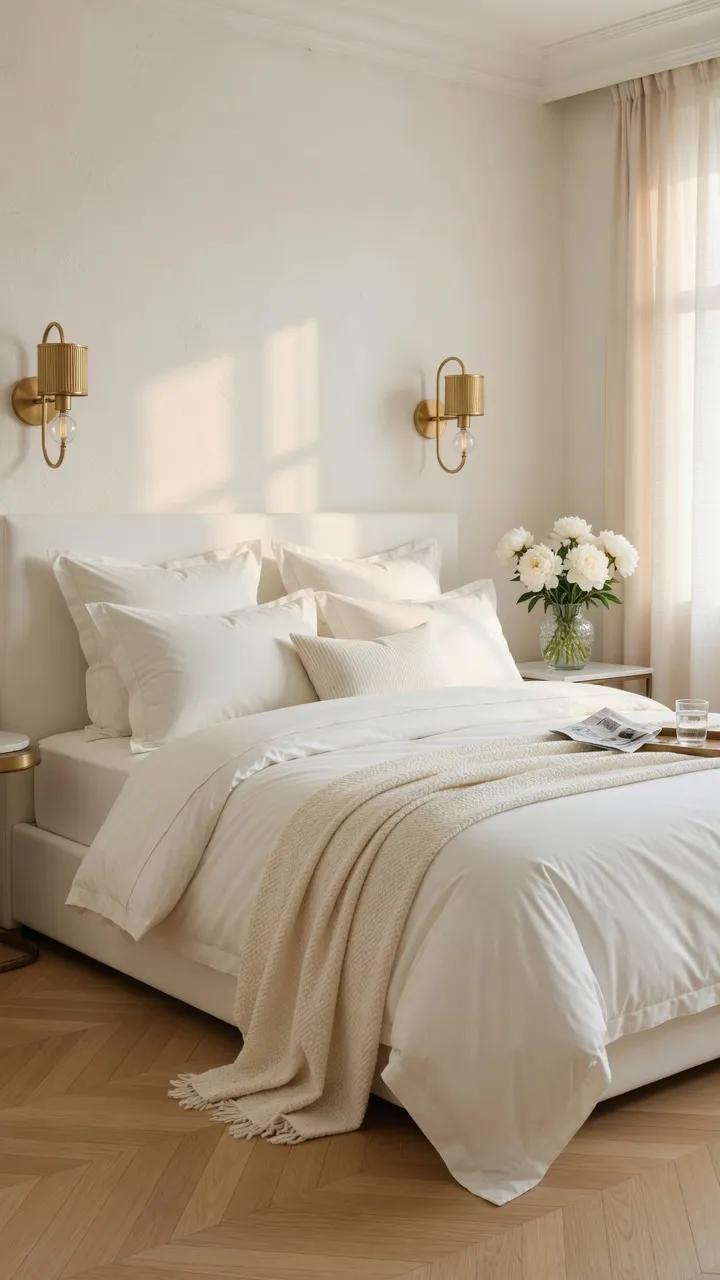
The centerpiece of every great hotel bedroom is an extraordinary bed — and nothing earns that title quite like a cloud bed done right. The concept is simple: layer your bed with such depth and intentionality that it appears to float, welcoming, impossibly soft, and visually breathtaking from every angle.
Start with a high-quality mattress topper (at least 3 inches, preferably goose-down or memory foam hybrid) to create that signature “sinking in” feeling. Layer a fitted sheet in 600-thread-count Egyptian cotton, followed by a flat sheet, a plush duvet with a white-on-white textured cover, and at least two euro shams behind four standard pillows arranged in alternating heights. Finish with a single accent pillow in a stone or blush linen and a loosely draped waffle-knit throw across the foot of the bed.
The color palette here is intentionally restrained — all whites, creams, and the softest oatmeal tones. This monochromatic approach gives the bed an almost sculptural quality, where the beauty lies entirely in texture and dimension rather than color contrast. The result feels both indulgent and serene.
For the bedroom surrounding this bed, keep the walls in a warm white or barely-there greige. A pair of low, linen-shaded wall sconces mounted on either side creates balanced, intimate lighting without the visual clutter of table lamps.
2. The Moody Jewel Box
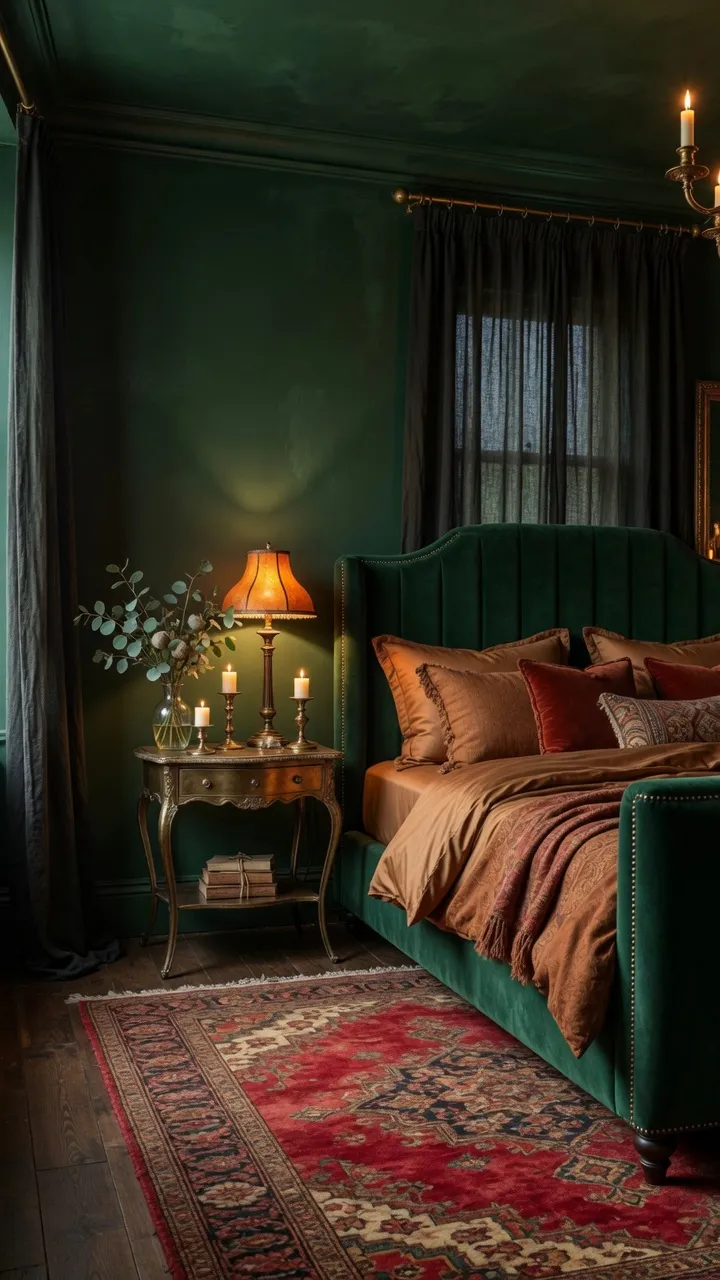
Not all luxury hotel rooms are light and airy. Some of the most memorable suites in the world are drenched in deep, moody color — and this idea translates beautifully into a residential bedroom that feels like an intimate cocoon.
Choose a rich, complex wall color as your foundation. Deep forest green, inky navy, warm charcoal, or a saturated terra cotta all work beautifully. The key is to take the color all the way — walls, ceiling, even the trim — to create that enveloping, jewel-box effect that high-end hotels have mastered. When every surface shares the same deep hue, the room feels intentional and immersive rather than dark and heavy.
Within this moody envelope, bring in layers of tactile luxury. An upholstered bed frame in deep velvet (forest green, burgundy, or cognac leather) anchors the space. Layer the bed in warm, earthy tones — burnt sienna, caramel, chocolate — to complement rather than fight the wall color. Introduce brass or aged gold hardware on nightstands and light fixtures to add warmth and a sense of collected elegance.
Lighting is everything in a dark room. Avoid overhead lighting entirely if possible. Instead, lean on a combination of warm-toned table lamps with opaque shades, candlelight, and perhaps a single statement pendant or chandelier in unlacquered brass. The goal is a warm, amber glow that makes the deep tones sing.
3. The Spa-Inspired Neutral
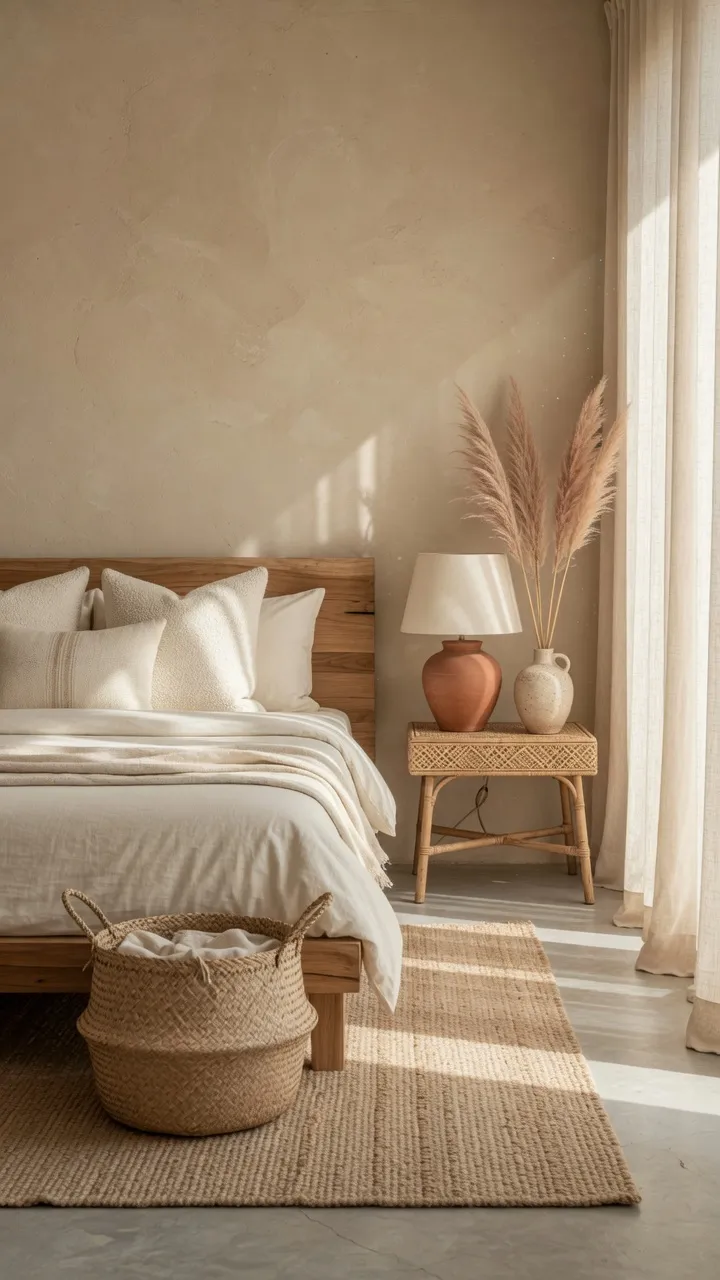
Think of the finest spa resorts in Bali or the Maldives — the rooms that greet you with a palette of warm sand, raw linen, bleached teak, and the scent of something calm and natural. This bedroom concept distills that sensory experience into a design language you can live in every day.
The foundation is a carefully calibrated neutral palette: warm sand walls (not cold grey — warmth is essential here), natural linen bedding in undyed ivory, and furniture in raw or oiled teak, rattan, or light oak. These organic materials ground the space in nature, which is precisely why spa retreats rely on them so heavily — they signal rest and restoration at a primal level.
Layer the bed in unbleached linen sheets, a textured cotton coverlet in dune or warm taupe, and two or three oversized boucle or jute-trimmed pillows. Keep the palette within a very narrow range — all the interest comes from texture variation rather than color contrast. A chunky seagrass basket at the foot of the bed, a raw edge wooden tray on the nightstand, and a simple terracotta ceramic vase with dried pampas grass complete the organic tableau.
Scent is the final layer of this concept. A high-quality reed diffuser or candle in notes of sandalwood, cedar, or bergamot will complete the sensory experience and make your bedroom feel like a destination rather than a room.
4. The Layered Candlelight Retreat
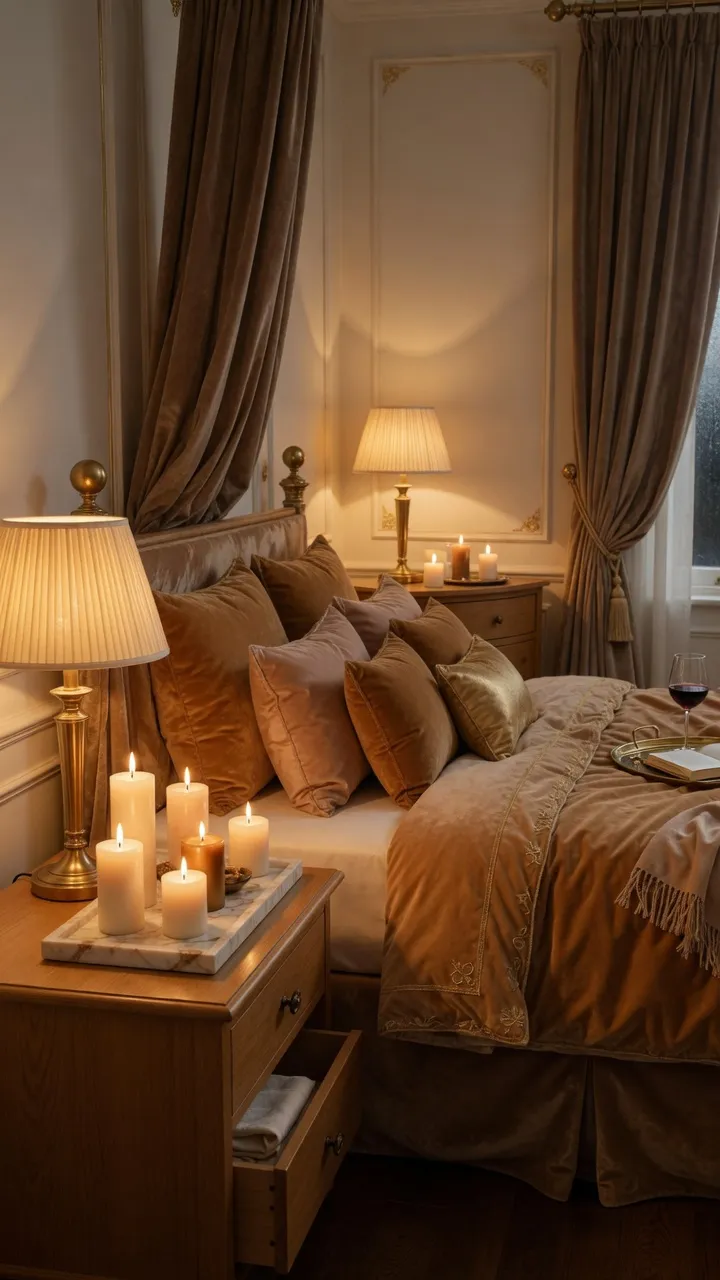
Luxury hotels have long understood something the rest of us often overlook: lighting is the single most transformative element in any bedroom. This design concept is built entirely around the art of layered, warm, candlelight-adjacent illumination — and the transformation it creates is nothing short of remarkable.
Begin by removing any overhead lighting from the equation as much as possible. Instead, build a lighting ecosystem from multiple low sources: a pair of matching table lamps with warm-toned bulbs (2700K maximum) on the nightstands, a floor lamp in the corner with an opaque drum shade, wall sconces mounted at eye level, and — crucially — actual candles. Cluster pillar candles of varying heights on a marble tray on the dresser, place a single taper candle on each nightstand, and let their glow create the kind of soft, flickering warmth no electric light can fully replicate.
The bedroom palette should support this warm lighting scheme: think deep ivory walls, caramel and rust-toned textiles, honey-hued timber furniture, and accents in burnished brass or aged bronze. Velvet curtains in a deep taupe or warm grey should pool slightly on the floor, adding a sense of generosity and softness that is unmistakably luxurious.
Layer the bed in warm neutrals — oatmeal, caramel, deep ivory — with a velvet coverlet in muted gold or cognac. The overall effect should feel like stepping into a Michelin-starred restaurant’s private dining room: intimate, warm, deeply comfortable, and impossible to leave.
5. The Bespoke Headboard Statement
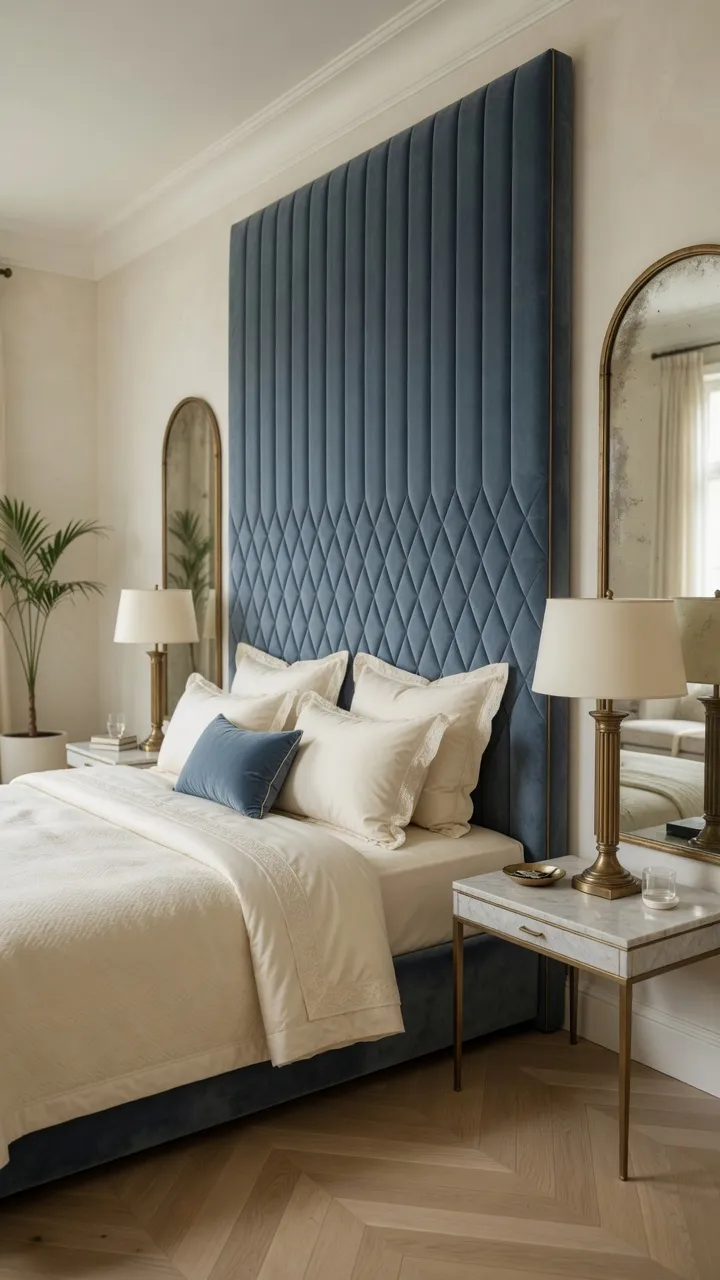
Every grand hotel suite has one design element that stops you in the doorway — and more often than not, it’s an extraordinary headboard. A custom or statement headboard is perhaps the highest-impact single investment you can make in a bedroom transformation.
Floor-to-ceiling upholstered headboards create an almost theatrical sense of drama and scale, making even modestly sized bedrooms feel lavish. Consider a channeled velvet panel in a sophisticated deep blue, sage green, or warm ivory that runs from the mattress line to the ceiling itself. The vertical emphasis elongates the room and gives the bed a sense of monumental presence that is immediately hotel-worthy.
Alternatively, an arched headboard in bouclé, mohair, or performance velvet creates a softer, more romantic silhouette. The arch shape references classical architecture and pairs beautifully with rounded nightstands and organic-shaped lamps. For a more rustic-luxe approach, a reclaimed wood headboard with built-in shelving provides both beauty and function — a favorite of boutique mountain lodges and design-forward hideaways.
Whatever the shape or material, the key is to let the headboard be the room’s undisputed star. Keep the surrounding décor intentionally restrained: matching, symmetrical nightstands, simple bedding in complementary tones, and lighting that frames rather than competes.
6. The Scandi-Luxe Minimalist
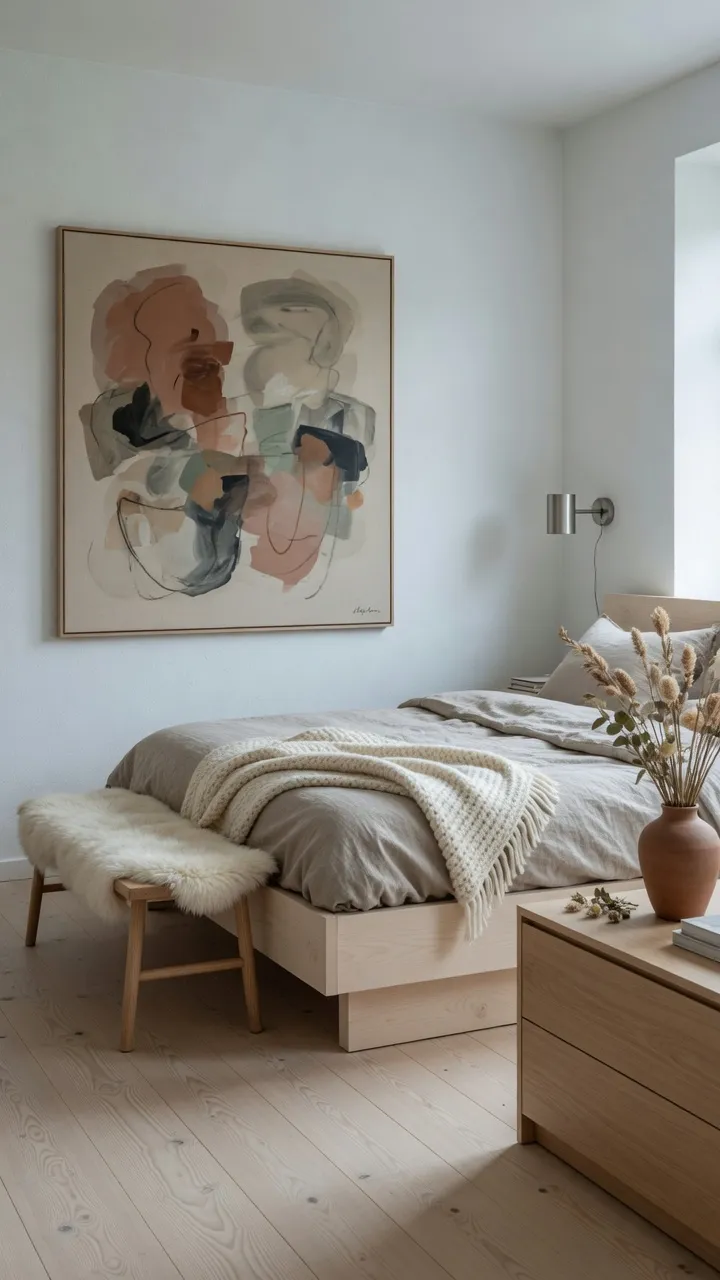
Scandinavian design has long been associated with a particular kind of quiet, understated luxury — and when blended with contemporary premium materials, it produces a bedroom aesthetic that is simultaneously effortlessly cool and deeply cozy.
The Scandi-Luxe bedroom begins with a stripped-back palette: cool white or very pale grey walls, natural birch or pale oak furniture with clean, honest lines, and a floor that breathes in blonde wood or polished concrete. The beauty of this approach lies in its restraint — every object earns its place, and nothing is present by accident.
Where this diverges from pure minimalism is in the deliberate introduction of warmth and texture. Layer the bed in heavyweight washed linen in the palest mushroom or powder blue, topped with a chunky hand-knitted throw in natural undyed wool. Introduce a single large sheepskin draped over a slim wooden bench at the foot of the bed. A matte black or brushed steel reading lamp adds a quiet industrial note without disrupting the serene palette.
Art in a Scandi-Luxe bedroom should be simple and meaningful — a single large abstract print in warm tones, framed in natural wood, positioned deliberately above a low-profile dresser. Keep surfaces deliberately uncluttered: a ceramic vase with a single dried stem, a beautiful book, a simple candle.
7. The Parisian Boudoir
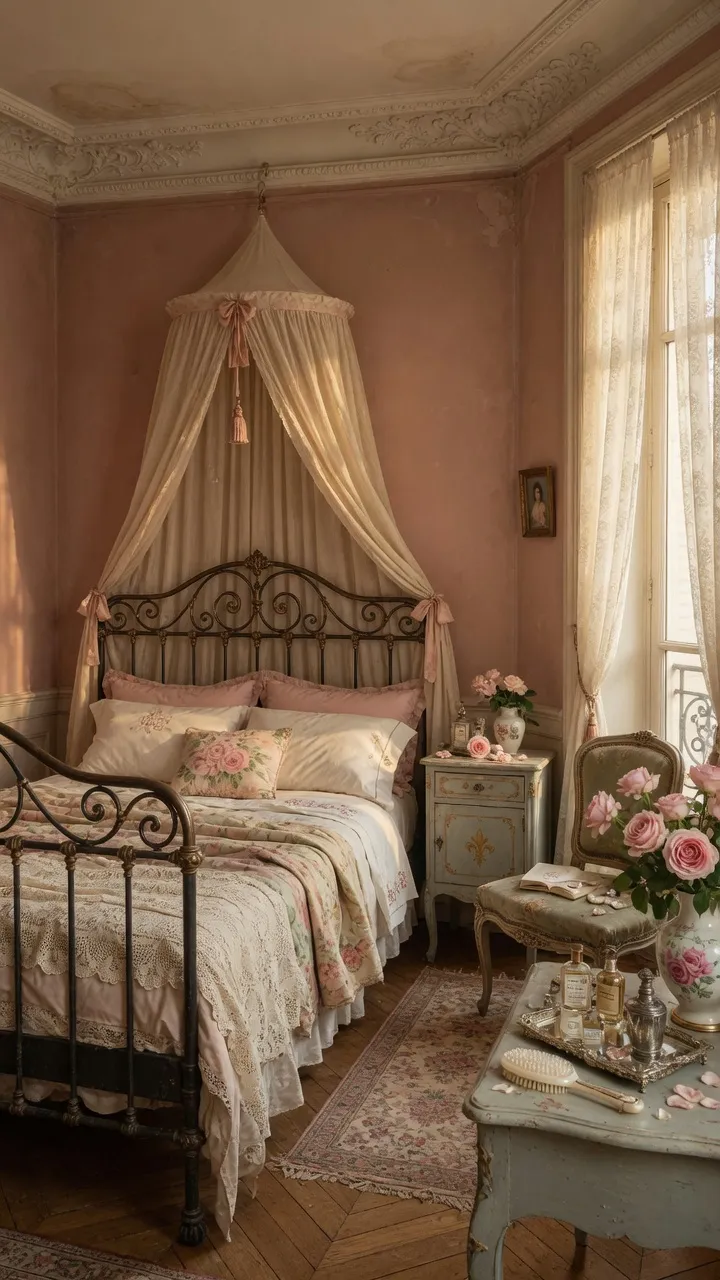
Few design aesthetics carry the romantic weight of a Parisian apartment bedroom. There’s something about the particular combination of aged elegance, thoughtful eclecticism, and unapologetic femininity that makes the Parisian boudoir one of the most enduringly aspirational bedroom styles in the world.
The palette here leans toward dusty rose, faded blush, aged ivory, and the softest sage or muted lavender. Walls in a very pale, slightly chalky tone — perhaps a dusty rose or faded putty — feel distinctly Parisian, especially when paired with ceiling moldings in bright white. If moldings don’t exist, even a simple picture rail painted out in a contrasting white can suggest the same architectural depth.
The bed should be an antique or antique-inspired iron or painted wood frame — ideally with some canopy suggestion, even if just a simple fabric panel hung from a ceiling hook above the headboard. Layer it in mismatched but harmonious linens: a floral duvet cover in muted tones, embroidered pillowcases, a silk or satin accent throw. Nothing should match perfectly; it should look as though it has been beautifully collected over time.
Accessories are where the Parisian boudoir truly comes alive: a vintage vanity with a triptych mirror, a small armchair in worn velvet near the window, a stack of art books, a crystal perfume tray on the nightstand. Fresh garden roses — or even dried ones in a soft blush tone — are a non-negotiable finishing touch.
8. The Fireplace Nook
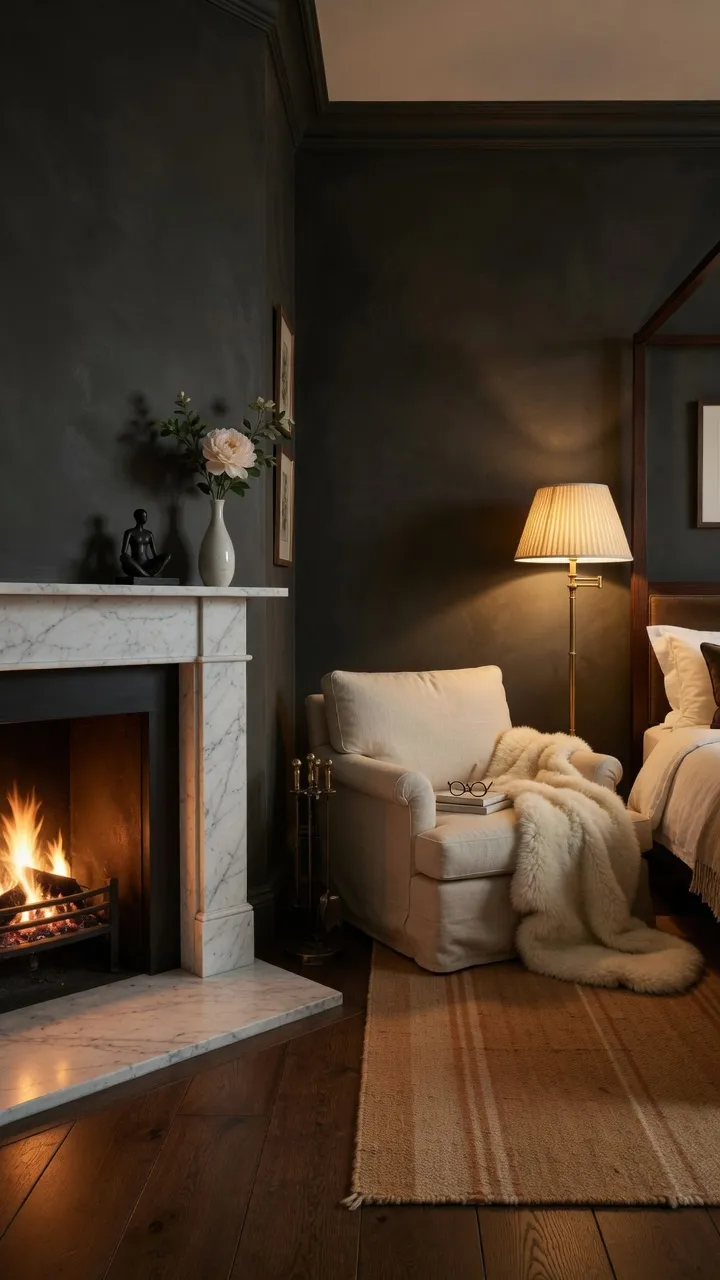
There may be no single element more effective at instantly creating a 5-star hotel atmosphere than a bedroom fireplace. The combination of warmth, soft flickering light, and the subtle sound of fire triggers something deeply primal — a sense of safety and comfort that is the very foundation of luxury hospitality design.
For rooms with an existing fireplace, the goal is to frame and celebrate it. Paint or plaster the surround in a contrasting tone — a deep charcoal against warm white walls, or bright white marble against a dark room — and keep the mantelpiece spare and curated: a pair of simple objects, perhaps a beautiful clock, a sculptural vase, a stack of books. Resist the urge to over-decorate; let the fireplace’s presence speak for itself.
Create a reading nook in front of the fireplace with a low, generous armchair or loveseat upholstered in natural linen or worn leather, flanked by a small side table and a well-positioned floor lamp. A sheepskin or flat-weave wool rug grounds the conversation area and adds another layer of tactile warmth. This secondary seating area is one of the most hotel-like additions any bedroom can have — the sense that the room has more to offer than just a place to sleep.
For bedrooms without a fireplace, a high-quality bioethanol fireplace or even a carefully selected electric insert with realistic flame technology can achieve a remarkably similar atmosphere, particularly in a darker, moodier bedroom setting.
9. The Hotel-Inspired All-White Suite
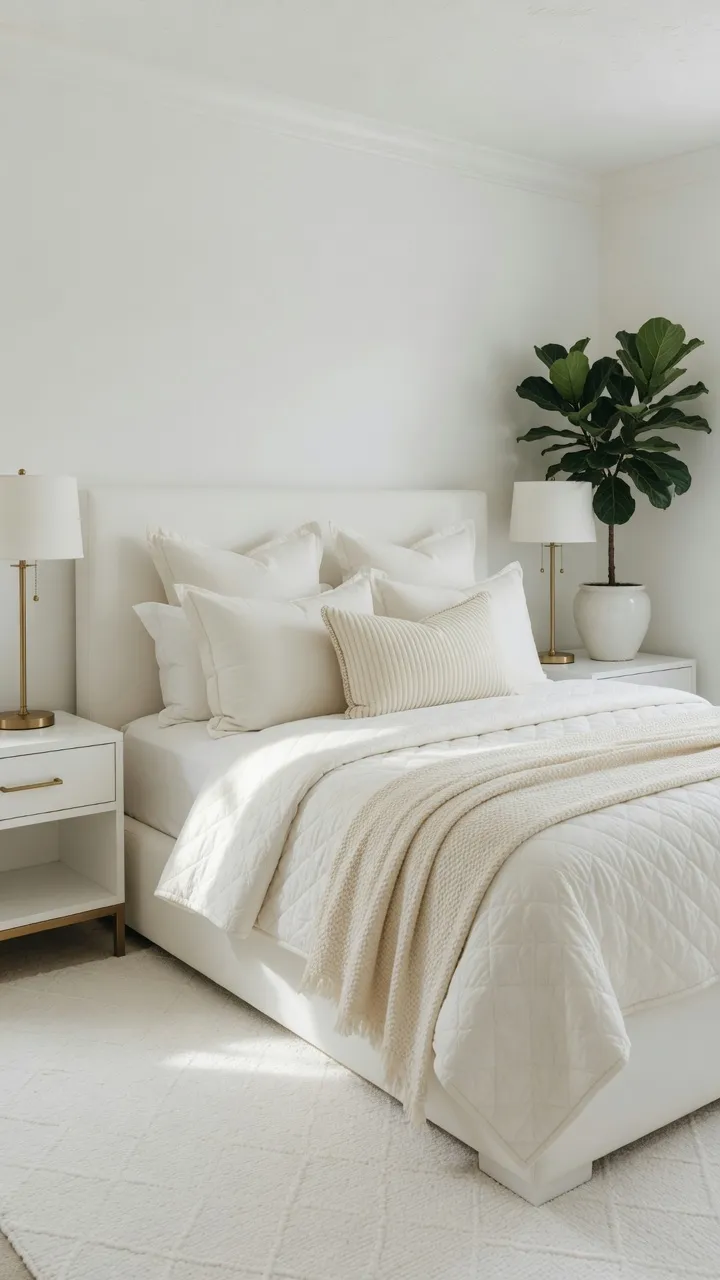
The all-white bedroom is the quintessential expression of hotel luxury — and it endures because it works. When executed with sufficient attention to texture and quality, an all-white bedroom feels neither clinical nor cold; it feels like stepping into a cloud — aspirational, serene, and completely restorative.
The critical distinction between a flat, boring white room and a magazine-worthy all-white suite lies entirely in the diversity of whites and the layering of textures. Pure optical white and warm creamy white, chalky white and shiny white — when used together thoughtfully, they create depth and interest that makes the space sing. The walls might be in a warm matte white, the ceiling in a brighter true white, the bedding in an ivory and cream, the rug in a natural undyed wool.
Texture is your sole design tool in this space and must be pursued with ambition. Chunky waffle knit throws, quilted cotton duvets, ribbed velvet pillowcases, smooth marble nightstand tops, brushed cotton euro shams, a flat-woven white-on-white area rug — each surface should feel distinctly different even as they share the same tonal family.
The only non-white elements in this room should be the natural wood tones of furniture legs or frames, the metallic glow of brass or silver hardware, and the living green of a single architectural plant — a fiddle leaf fig or white-flowering orchid — placed where natural light will allow it to thrive.
10. The Organic Modern Escape
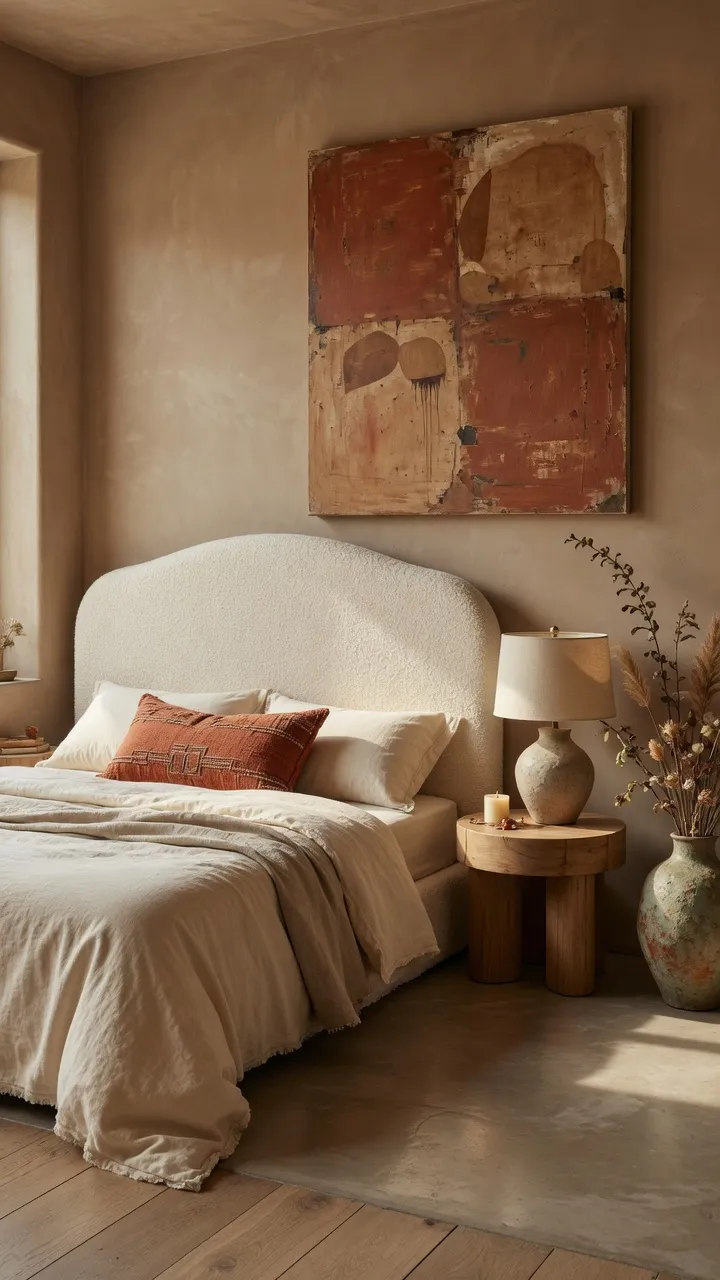
Organic Modern is the bedroom aesthetic that has quietly taken over the design conversation — and for good reason. It combines the clean, clutter-free confidence of modern design with the warmth and visual interest of natural, tactile materials. The result is a bedroom that manages to feel both visually sophisticated and deeply cozy.
The palette is warm and earthy but never rustic: think warm taupe walls, clay or terracotta tones, and a foundation of natural materials including raw oak, aged linen, undyed cotton, and matte ceramics. The shapes in this room are soft and rounded — an arched bouclé headboard, rounded nightstands with no sharp corners, a gently curved floor lamp, organic-shaped pottery on the dresser.
Bedding in this room is textural but restrained in color: layers of warm cream, putty, and oatmeal linen, with a single accent in a warm terracotta or sage green — perhaps a lumbar pillow or a casually draped knit throw. A large, organic-shaped abstract artwork on the wall — painted in warm earthy tones — anchors the space without overcrowding it.
The key to Organic Modern’s enduring appeal is that it feels personally assembled rather than showroom-perfect. Each element should feel as though it was chosen slowly and thoughtfully — a handmade ceramic vessel here, a vintage wooden object there — within a framework of modern, calm order.
11. The Mountain Lodge Suite
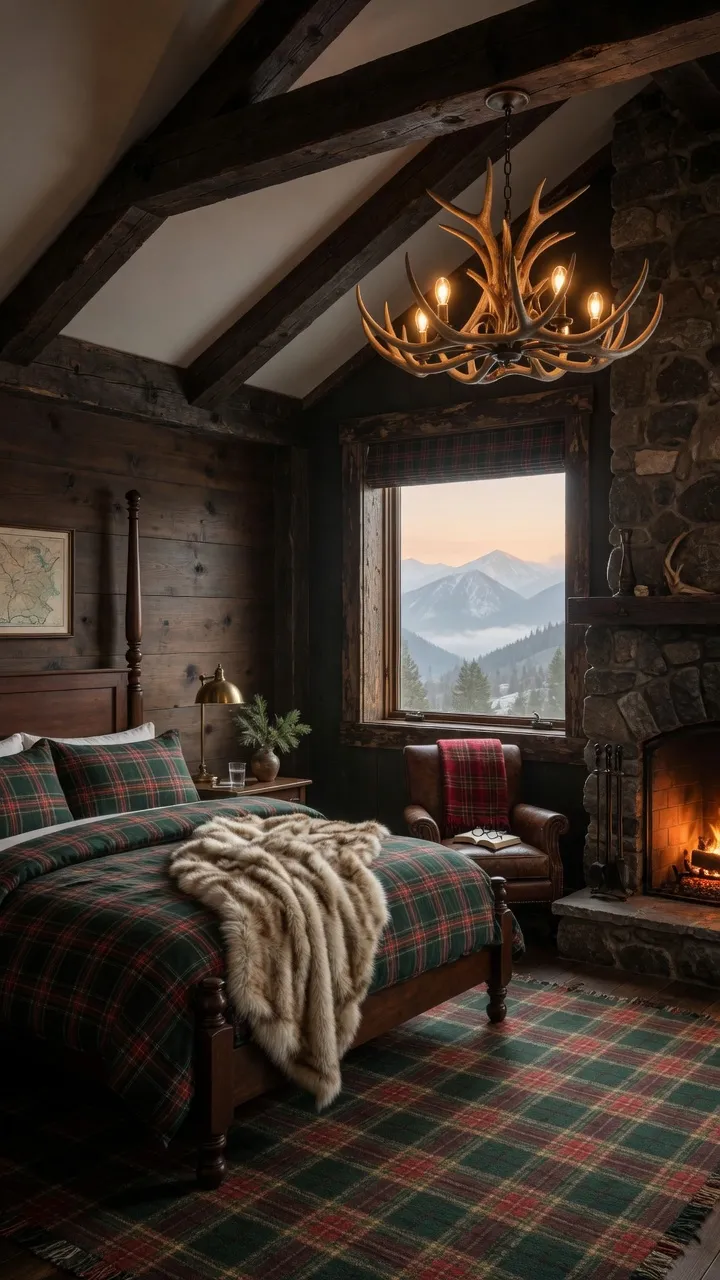
The finest mountain retreat hotels have a very particular design language: robust natural materials, deep warmth, and a sense of shelter against the elements that makes you feel safe and cosseted in the best possible way. This bedroom concept translates that mountain lodge aesthetic into a genuinely livable, year-round residential design.
Begin with a palette anchored in the forest: deep pine green, bark brown, warm amber, and the clear grey-white of birch bark. Walls in a warm, slightly saturated greige or deep sage create the immersive foundation. Exposed ceiling beams in dark stained oak — real or faux — immediately evoke the mountain lodge atmosphere and add powerful architectural character.
The bed should feel solid and weighty: a chunky wooden bed frame in dark walnut or smoked oak, dressed in heavyweight flannel or brushed cotton bedding in deep forest green and warm plaid tartan. Layer a full-weight wool blanket, a faux or real fur throw, and at least one plaid accent pillow. The message this bed sends is total, unapologetic warmth.
A stone or rough plaster fireplace against one wall, a pair of reading chairs in worn leather or nubuck near the window, and a large antler or hammered metal chandelier overhead complete the scene. This is a bedroom designed for long, slow mornings with a book and a mug of something warm — exactly the experience the best mountain hotels offer.
12. The Canopy Bed Drama
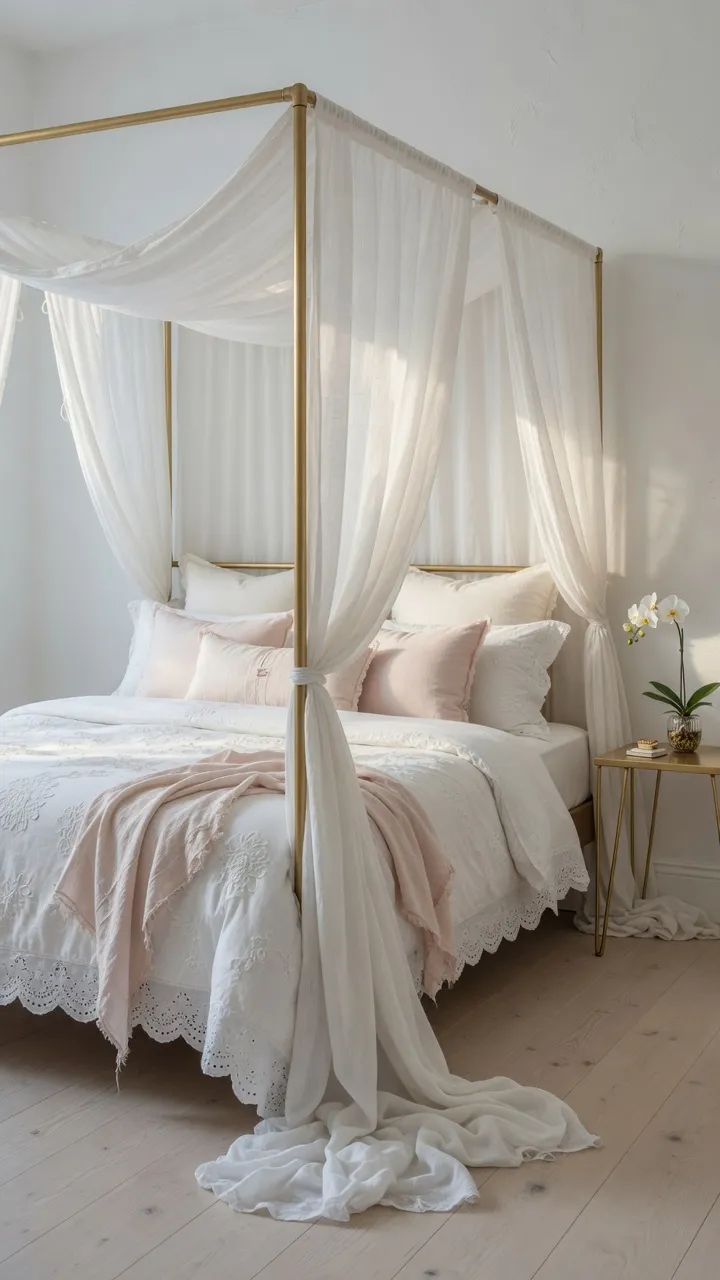
Few bed silhouettes command a room with the authority of a beautifully dressed canopy bed. For centuries, canopy beds have been associated with royalty, luxury, and intimate theatrical drama — and that association is as potent today as ever.
The modern interpretation of the canopy bed has moved far from heavy brocade curtains and carved dark wood. Today’s most desirable canopy beds are architecturally spare frames — often in powder-coated black, brushed brass, or unlacquered bronze metal — draped with sheer, billowing fabric that creates a sense of enclosure and romance without heaviness or formality.
The most hotel-worthy approach is to use yards of lightweight, wispy sheer fabric — gauze, voile, or the finest muslin — in pure white or the faintest blush. Drape it loosely and generously over the four corners of the frame, allowing it to fall to the floor and pool slightly. The impression is ethereal, cloud-like, and utterly breathtaking.
Beneath this canopy, the bedding should be equally dreamy: white eyelet or broderie anglaise linens, multiple white and ivory pillows, and a single pale blush accent throw. Keep the surrounding room restrained — the canopy is the undisputed star, and everything else should serve as a quiet, elegant backdrop.
13. The Minimalist Japanese Ryokan
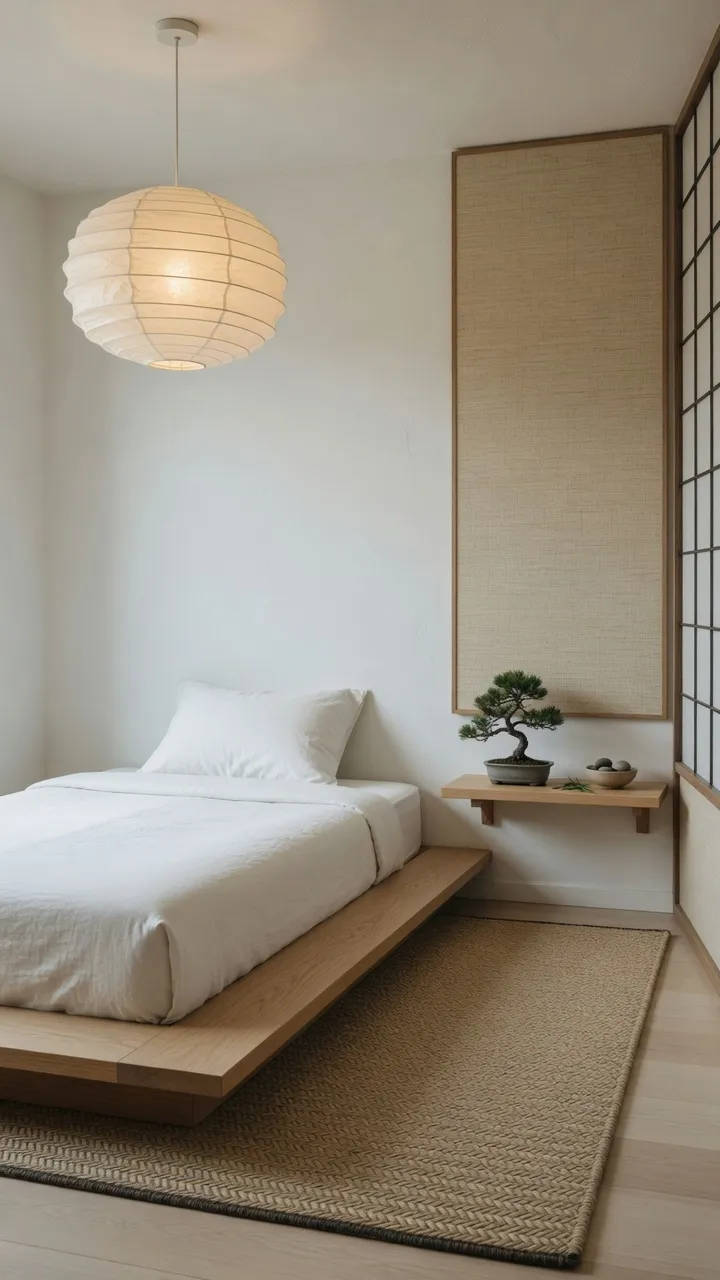
Japan’s traditional ryokan inns have influenced luxury hotel design worldwide for good reason: they represent a philosophy of hospitality centered entirely on the experience of pure, uncomplicated rest. This bedroom concept channels that philosophy into a spare, deeply intentional space that achieves luxury through absolute simplicity.
The foundation is a very low platform bed — ideally close to floor level — in natural or dark-stained oak, dressed in the finest possible white or natural linen bedding. The low profile creates an instinctive sense of calm and groundedness. A single large pillow in crisp white linen, a flat coverlet, and nothing more. The discipline here is the point — excess is the enemy of serenity.
Walls in this room are matte white or the palest warm stone. A single panel of natural bamboo, shoji screen, or pale grass cloth on one wall adds quiet texture without pattern. The floor, ideally, is tatami-inspired — a natural fiber rug in pale seagrass or rush covers a large portion of the floor, adding warmth and an earthy, grounding scent.
Furniture is minimal and purposeful: a single floating wooden shelf serving as a nightstand, a small ceramic bowl with a smooth river stone, one bonsai or small bamboo plant. A single pendant light in washi paper or a similar translucent natural material hangs over the bed, casting the gentlest, most diffused light imaginable. This is a room designed for true, restorative rest.
14. The Hollywood Regency Glam
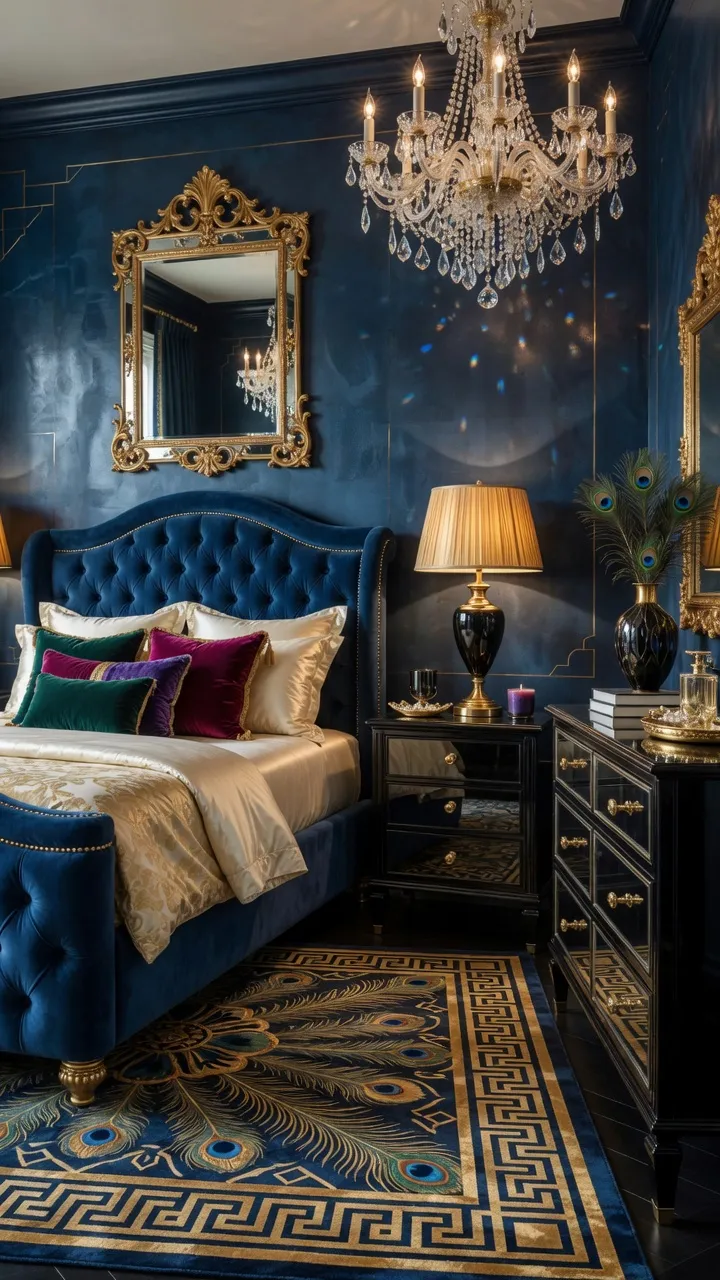
Not every luxury hotel is serene and restrained. Some of the most iconic properties in the world — from The Beverly Hills Hotel to Hotel Victor in Paris — celebrate drama, glamour, and the joyful excess of Hollywood Regency style. This bedroom concept is for those who want their sanctuary to feel like the most fabulous dressing room imaginable.
The Hollywood Regency bedroom is built on contrast and sparkle: deep, saturated walls in black, midnight blue, or emerald green paired with gold and mirror accents that catch the light at every turn. A tufted velvet bed frame in a jewel-toned color — deep sapphire, bottle green, or blush — commands the room. The bedding is luxurious and deliberately over-the-top: silk or satin duvet cover, gold or ivory embroidered throw pillows, velvet accent cushions in complementary jewel tones.
The bedside tables should be lacquered — high-gloss black or deep navy — topped with table lamps in smoked glass and gold. A large, ornate gilt-framed mirror on the wall reflects light and amplifies the room’s glamorous ambition. A mirrored or lacquered dresser, a chandelier dripping with crystals, and a full-length ornate mirror create the sense of being in a curated, theatrical space.
This style works best when it embraces its own unapologetic maximalism. Don’t hold back — lean into the drama, the sparkle, and the sense that getting dressed here should feel like an event.
15. The Warm Terracotta Suite
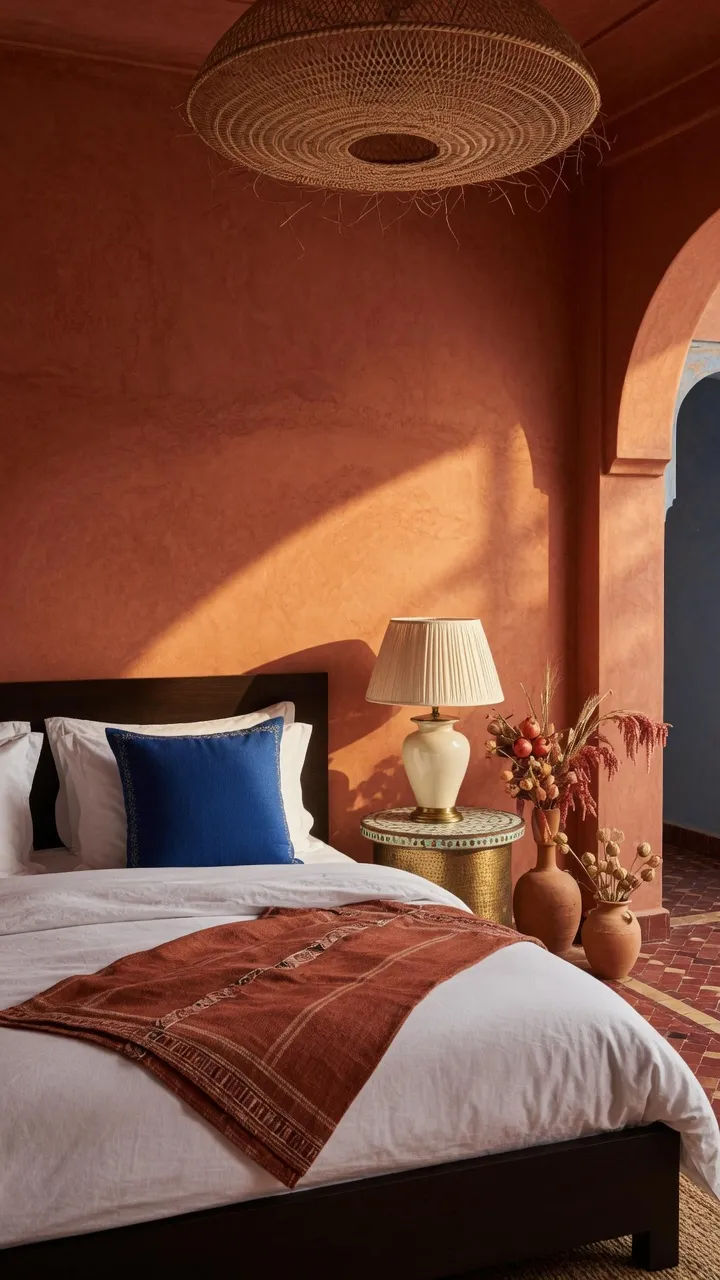
Terracotta has emerged as one of the defining colors of contemporary interior design — and in the bedroom, it performs with remarkable warmth and versatility, evoking everything from sun-baked Moroccan riads to the earth-toned luxury of Italian hill town villas.
A terracotta bedroom works best when the color is approached as a full commitment: walls, perhaps the ceiling, and even the trim in a variation of the same warm, clay-like orange-red tone. Rather than a single flat terracotta, look for wall paint with depth — something slightly chalky and matte, with subtle variation, like earthen plaster. This textural quality is precisely what makes terracotta walls so irresistibly tactile and warm.
Within this terracotta envelope, layer bedding in white, natural linen, and deep rust — tones that deepen and complement rather than contrast. A cream or natural linen duvet with a rust-toned woven throw creates a beautiful tonal story. Introduce deep cobalt blue or saffron yellow in accent pillows for a subtly Moroccan note that adds depth without disrupting the warm foundation.
Furniture should be in dark espresso wood, hammered metal in aged black or brass, and rattan. Terra cotta ceramic vessels, a woven rattan pendant light, and a mosaic side table all reinforce the Mediterranean and North African influences that make this palette so soulful and inviting.
16. The Bookworm’s Retreat
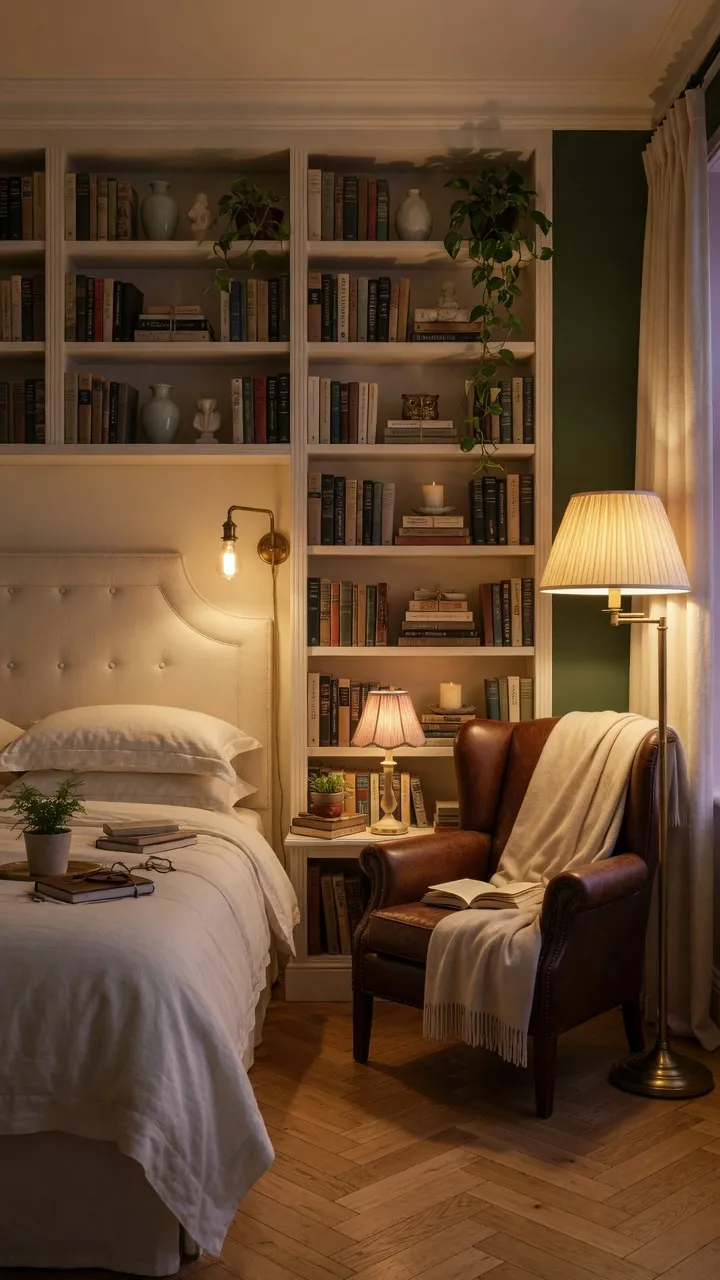
The finest hotel suites understand that the bedroom is not only for sleeping — it’s for withdrawing, for quiet, for reading, for the particular pleasure of being productively at rest. This bedroom concept celebrates the act of reading with the same seriousness with which a Michelin-starred kitchen treats food.
Built-in bookshelves flanking the bed are the centerpiece of this design — reaching ideally to the ceiling, painted in the same tone as the walls so they read as architecture rather than furniture. Fill them with books, of course, but also with beautiful objects: a framed print, a ceramic sculpture, a trailing plant. The books themselves — if arranged with a modicum of attention to their spine colors — can be one of the most beautiful design elements a room can contain.
The bed in this room is an armchair lover’s dream: a thick, generously padded headboard, ideally upholstered in natural linen or soft performance velvet, with reading lights mounted directly to the headboard or to the wall at a height that allows comfortable reading without disturbing a sleeping partner. An adjustable, articulated brass reading lamp is both practical and beautiful in this setting.
A deep reading chair in the corner — ideally a wingback or a curved barrel chair in a contrasting upholstery — creates a secondary retreat within the retreat. A small round side table, a footstool, and a cashmere throw make this corner the most coveted spot in the house. This is a bedroom for people who understand that luxury means having exactly what you need, where you need it.
17. The Coastal Luxury Villa
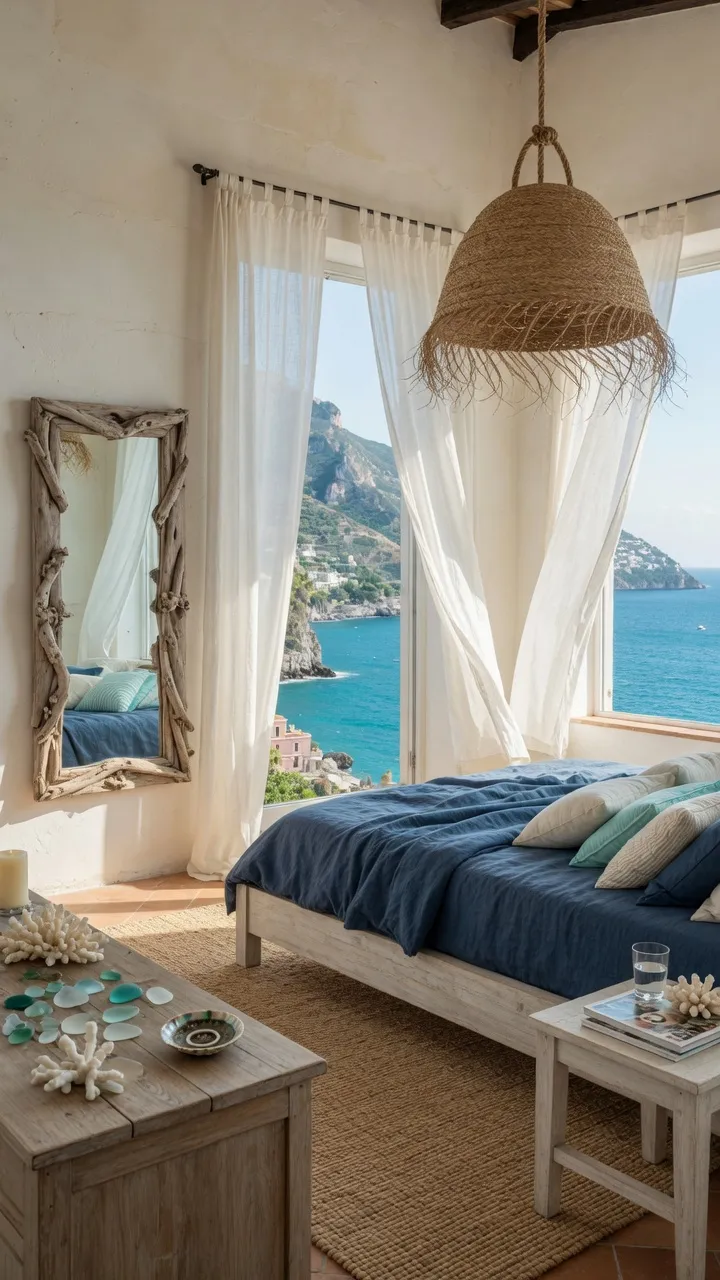
Coastal design has evolved far beyond the predictable rope-and-anchor territory of years past. Today’s finest coastal hotels — from the Amalfi Coast to Turks and Caicos — offer a refined, sun-bleached palette of sandy whites, warm blues, and natural materials that feels genuinely luxurious rather than thematic or clichéd.
The palette for this bedroom begins with walls in the palest, warmest white — the color of sun-bleached Mediterranean plaster, with a very slight warm yellow or grey undertone. Against this, introduce the layered blues: soft navy linen for the duvet, a pale aqua accent pillow, a stripe of indigo in the woven rug. These blues should feel like a view of the ocean rather than a literal nautical reference.
Natural materials are essential: weathered or white-washed oak furniture, woven seagrass or jute rugs, linen and cotton bedding, and rattan or cane accents. A driftwood-framed mirror, a coral or sea glass object on the dresser, and a large woven pendant light overhead all reinforce the coastal narrative without resorting to cliché.
The view matters here — if you have windows, let them be the room’s primary feature. Sheer white or natural linen panel curtains should allow maximum light while providing a soft frame. If your view is less than inspiring, a large-format photography print of an ocean horizon or beach landscape can perform a similar function, suggesting light and space beyond the room’s walls.
18. The Gallery Wall Suite
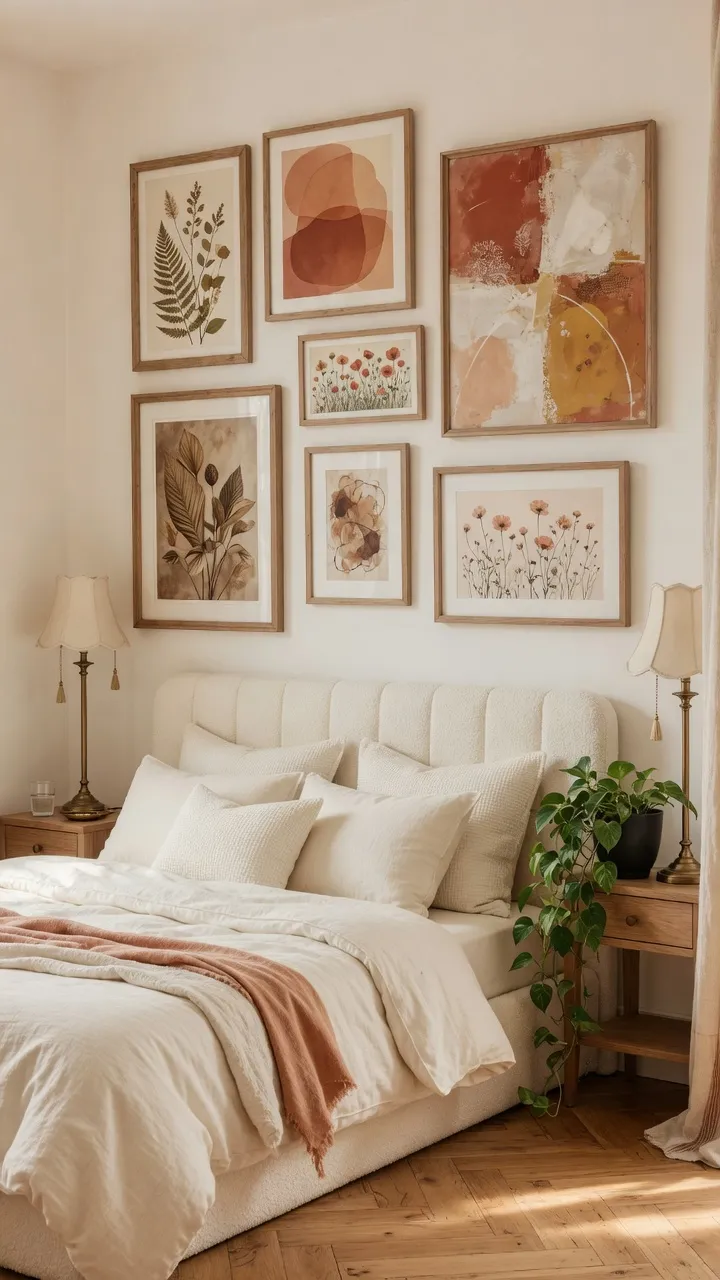
Art is one of the most powerful tools available to a bedroom designer — and the finest boutique hotels have long used curated gallery walls to give their rooms a sense of personality, story, and genuine human warmth. A thoughtfully assembled gallery wall can transform a simple bedroom into a space that feels as personal and layered as a private collection.
The approach here is not the more-is-more Instagram gallery wall of randomly mixed frames. This is a carefully considered, tightly curated assembly of three to seven related works — perhaps all in the same medium (photography, printmaking, watercolor), or all within a tonal family, or united by theme — hung in a deliberate arrangement with consistent spacing and a combination of frame sizes and styles that still feel related.
The placement matters enormously. Rather than centering the gallery symmetrically on a wall, consider hanging it as a cloud above and alongside the headboard, or positioning it on the wall opposite the bed so it becomes the first thing you see each morning. The frames should be consistent in finish — all in the same natural wood, all in black, or a mix of gold and natural — to create a sense of intentional curation rather than accumulation.
For a hotel-worthy effect, treat the artworks themselves as investments. Original prints, even from emerging artists, carry a warmth and specificity that reproductions rarely match. The bedroom wall is the most intimate canvas in your home — it deserves art that genuinely moves you.
19. The Dark Academia Retreat
Dark Academia as a design aesthetic translates into bedroom spaces with extraordinary richness and character. Drawing on the visual language of old European universities, private libraries, and candlelit studies, the Dark Academia bedroom is one of the most atmospheric and intellectually compelling spaces you can create.
The palette is rich and bookish: deep warm browns, aged ivory, forest green, burgundy, and the golden tones of candlelight. Walls in a deep, saturated tone — a moody tobacco brown, a dark forest green, or a near-black emerald — create the immersive depth that defines this aesthetic. Pair this with dark timber furniture: a solid wooden bed frame with a bookcase headboard, ornate brass or bronze hardware, and a full-length standing mirror in a heavy carved frame.
Textiles should feel aged and considered: a tartan or houndstooth wool blanket, an embroidered velvet duvet cover in deep wine or forest green, a tasseled throw pillow. A Persian or Turkish rug in deep reds and greens anchors the floor and adds centuries of visual history to the space.
Lighting must evoke candlelight: Edison filament bulbs in brass or bronze fixtures, a pair of reading lamps with green glass or opaque silk shades, and actual candles whenever possible. A skeleton wall clock, a globe, a stack of aged leather-bound books on the nightstand — every accessory should feel as though it was gathered over a lifetime of curious, passionate collecting.
20. The Sunlit Provençal
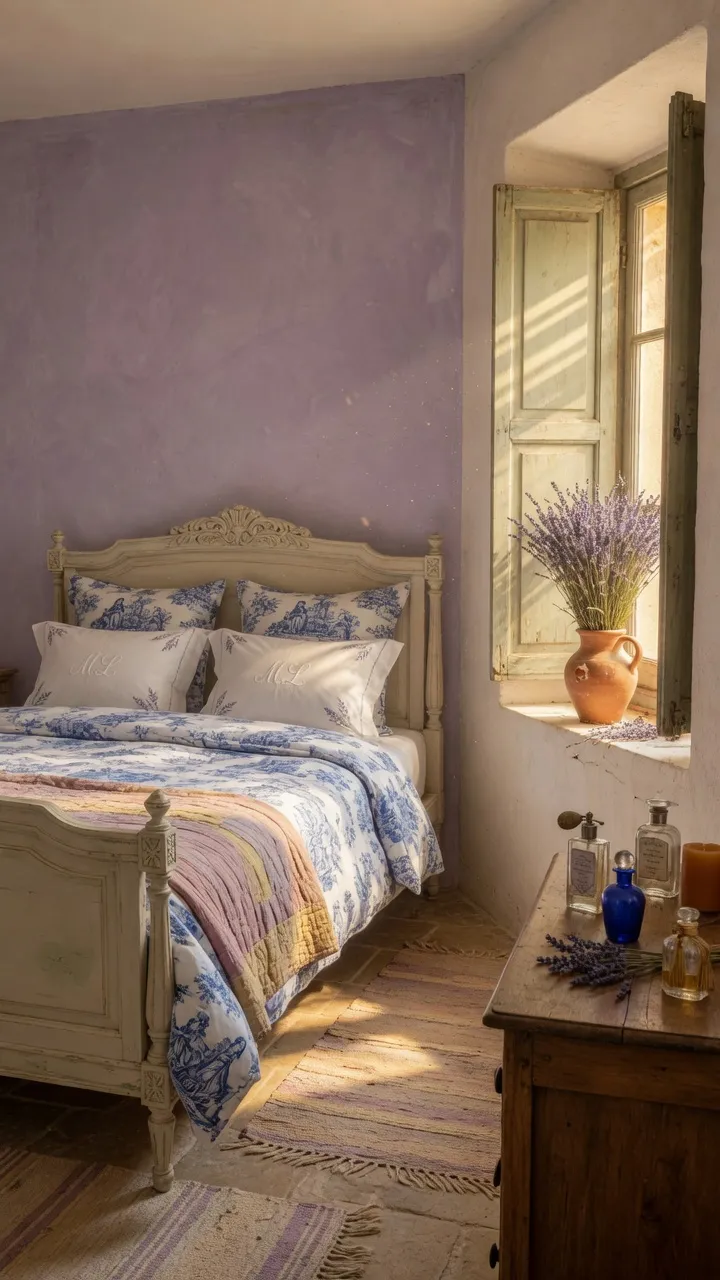
Southern France has a very particular quality of light and life — warm, slow, golden, and generous. The finest hotels and chambres d’hôtes of Provence distill this into bedroom designs that feel simultaneously rustic and refined, with a palette drawn entirely from the landscape: lavender, sunflower, sage, rosé, and the warm honey tones of ancient stone.
The walls in this bedroom are washed in a very warm, slightly chalky white with visible texture — actual plaster, or a paint technique that mimics it. One accent wall, ideally the one behind the bed, might be in a warm lavender or the softest sage. Exposed stone, where available, is left bare and celebrated as the extraordinary material it is.
The bed is an ornate or gently carved painted wood frame — perhaps in an aged cream or weathered white — dressed in a toile de Jouy duvet cover in the softest blue or rose, with embroidered pillow cases and a washed linen flat sheet. A vintage quilt, folded at the foot of the bed, adds another layer of textile warmth and history.
Sunflowers or lavender stems in a terracotta jug on the windowsill, a collection of old glass perfume bottles on the dresser, shuttered windows through which warm afternoon light falls in golden bars across the floor — this is a bedroom that smells of lavender and bread, that suggests long, warm Sundays with no agenda at all. Pure, unhurried Provençal luxury.
21. The Boho Luxe Sanctuary
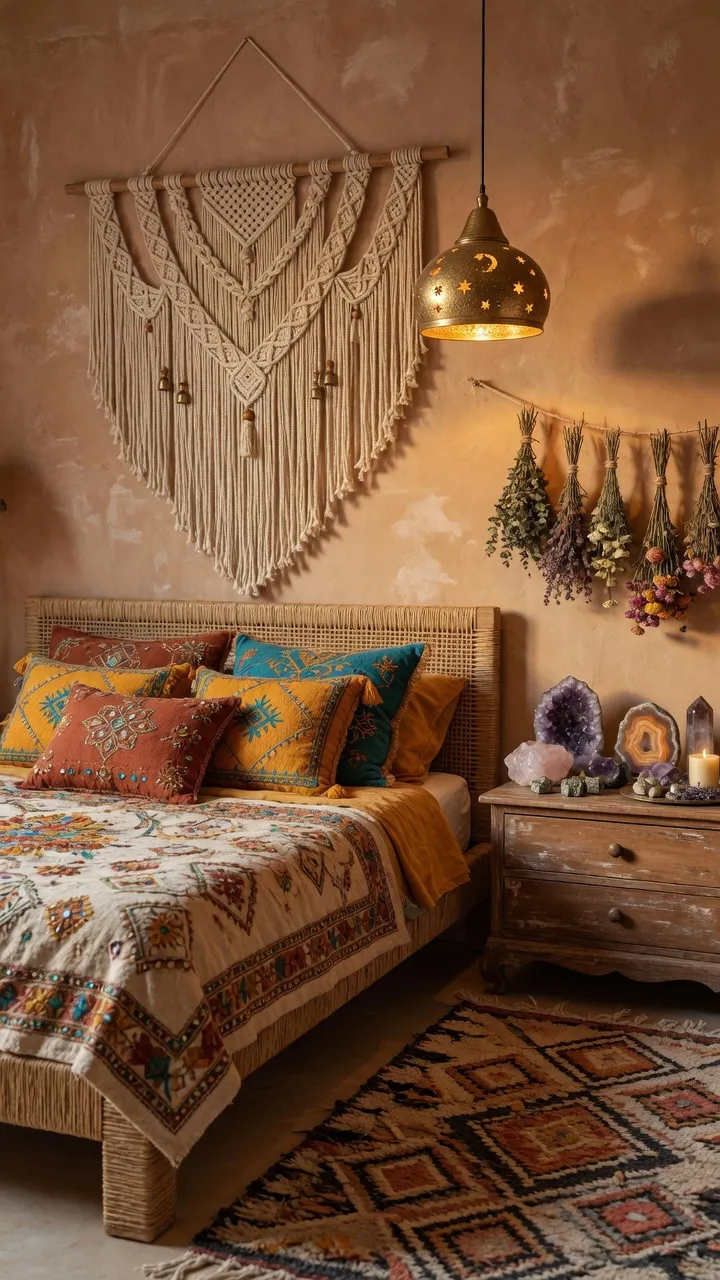
Boho Luxe is what happens when the free-spirited eclecticism of bohemian design meets the material quality and curation of high-end interior styling. The result is a bedroom that feels richly personal, globally inspired, and genuinely indulgent — far removed from the budget-bohemian associations the word “boho” sometimes carries.
The palette here is warm and complex: burnt sienna, rust, deep teal, saffron, and the warm neutrals of sand and cream provide the foundation, with rich pops of deeper jewel tones in the textiles. Pattern is embraced rather than avoided — but the patterns should be considered and quality-assured, not accumulated randomly. A beautiful block-printed headboard cover or a Moroccan hand-knotted rug tells a specific geographic story.
Texture is layered with ambition: a macramé wall hanging above the bed (large-scale and made from quality natural fibers, not the cheap mass-produced variety), multiple throw pillows in a mix of embroidered, woven, and tasseled fabrics, a Moroccan wedding blanket draped over the bed frame, and a kilim or hand-knotted Moroccan rug on the floor.
The accessories in a Boho Luxe bedroom deserve genuine attention and real provenance where possible: a hand-hammered brass table lamp, a collection of genuine vintage objects and found pieces on the dresser, real crystals or geodes as decorative objects, hanging dried flowers and herbs. This is a room that rewards slow looking — there is always more to discover.
22. The Monochrome Charcoal Suite
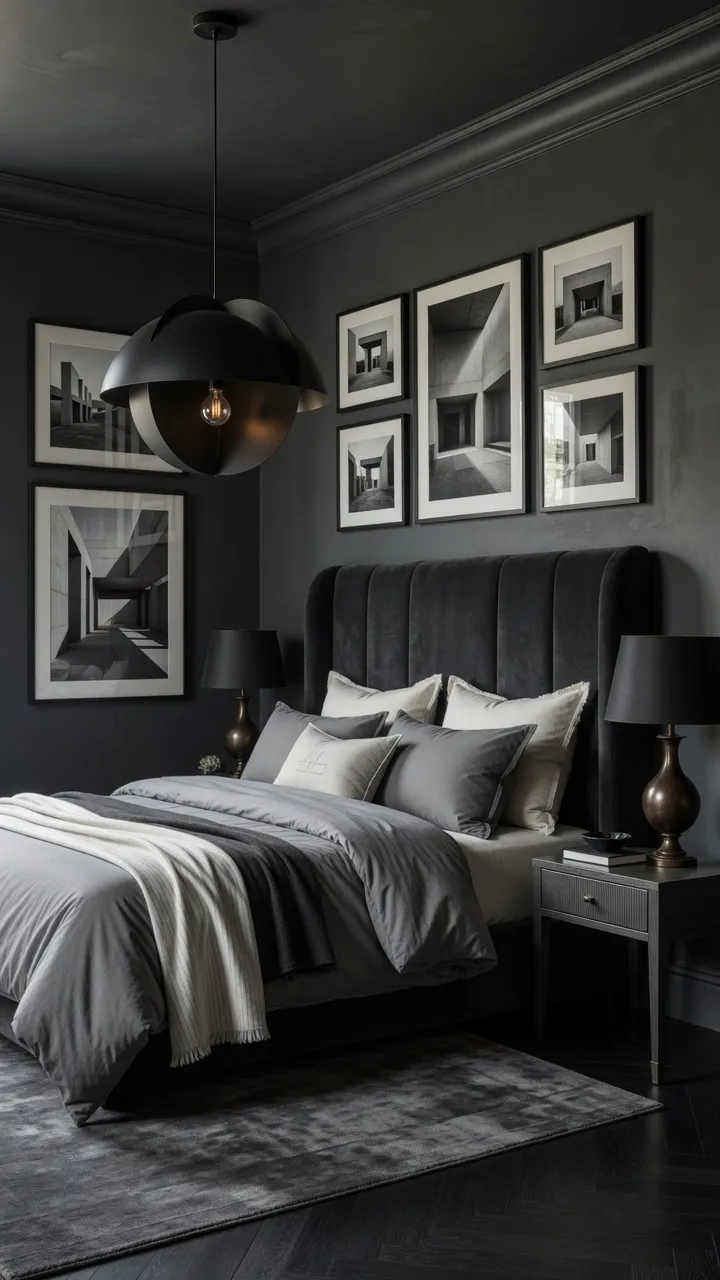
There is a quiet confidence to an all-charcoal bedroom that few other design choices can match. When executed with precision and an eye for material quality, a monochrome charcoal suite achieves a level of sophisticated drama that is genuinely hotel-worthy and immediately arresting.
The foundation is a deep, warm charcoal on the walls — not cold steel grey, but a charcoal with brown or green undertones that warms rather than chills. Take this tone to the ceiling and even the trim for the full immersive effect. Against this deep background, the bedding is a study in light and shadow: charcoal, slate, warm grey, and the faintest ghost white, layered in a mix of matte and slightly lustrous surfaces.
The material quality must be exceptional to carry an all-dark room. A Cashmere throw in deep grey, brushed cotton sheets in charcoal, a velvet-covered headboard in a slightly deeper tone than the walls — each material must earn its presence through quality of feel and surface rather than color contrast. A single element of crisp white — perhaps the edge of a pillow or a white hardcover book — provides essential breathing room without disrupting the monochromatic discipline.
Metals in this room should be matte and dark: aged bronze, gunmetal, or matte black. A sculptural matte black pendant light above the bed, gunmetal or dark bronze beside lamps with opaque shades, black-framed architectural photography on the walls. The result is a bedroom that feels like the most sophisticated hotel suite imaginable — quietly powerful and impossible to resist.
23. The Garden-View Floral Suite
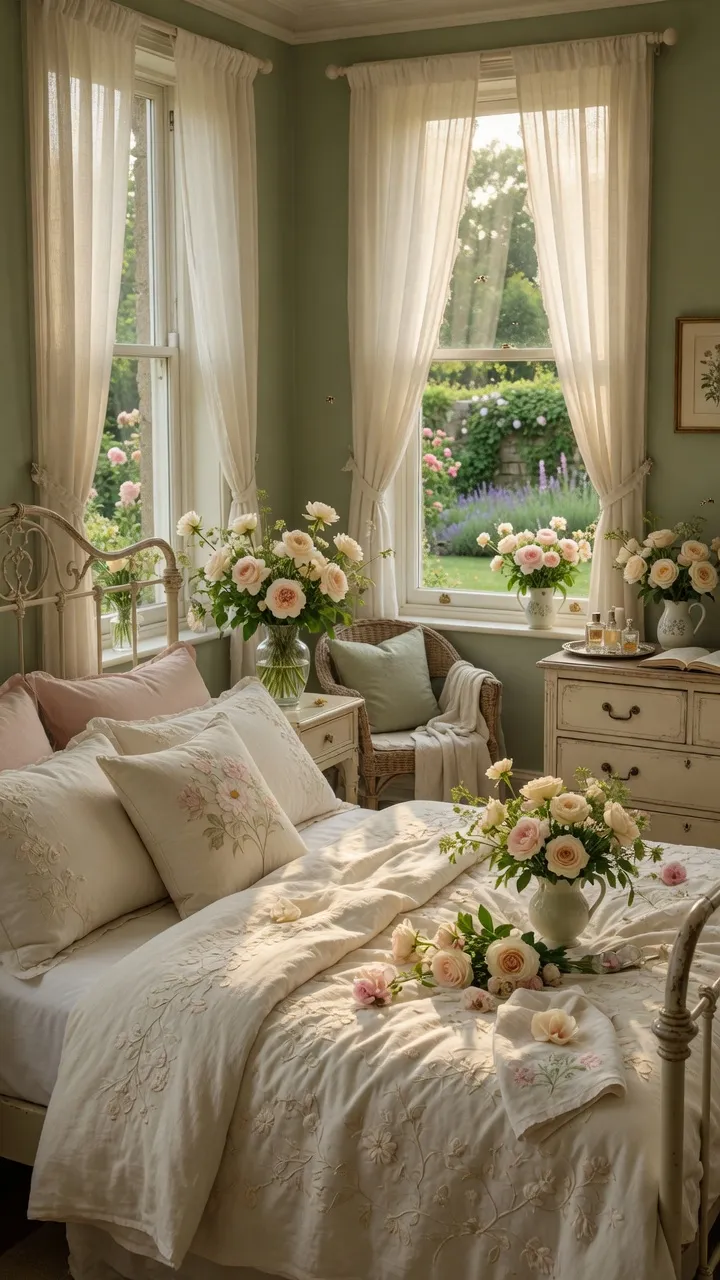
The most romantic of the great country house hotels have always understood the power of bringing the garden inside — not through literal botanical prints that date quickly, but through a deliberate conversation between the interior and the natural world just beyond the window.
This bedroom concept begins with the windows themselves: wide, ideally sash or casement windows that can be opened onto a garden, courtyard, or even a well-placed window box of tumbling herbs and flowers. The sheer panels that dress these windows should be the finest, most translucent linen or cotton voile, allowing the greenery beyond to be visible as a living, breathing backdrop to the room.
Inside, the palette draws from the garden in a sophisticated rather than literal way: warm sage green walls, ivory and cream bedding with botanical embroidery, fresh flowers in abundance — not arranged formally but gathered loosely in varying heights of vase. Roses and peonies in cream, blush, and the softest pink, arranged with sprigs of greenery and herbs, should be present in multiple spots rather than just one formal arrangement.
The furniture is gently ornate without being fussy: a painted iron bed in matte white or aged cream, a painted wooden dresser in a complementary tone, a rattan or wicker chair near the window with a floral cushion. This is a room that celebrates the particular English country house tradition of beautiful, unpretentious luxury — comfortable enough to actually live in, beautiful enough to photograph.
24. The Urban Penthouse Suite
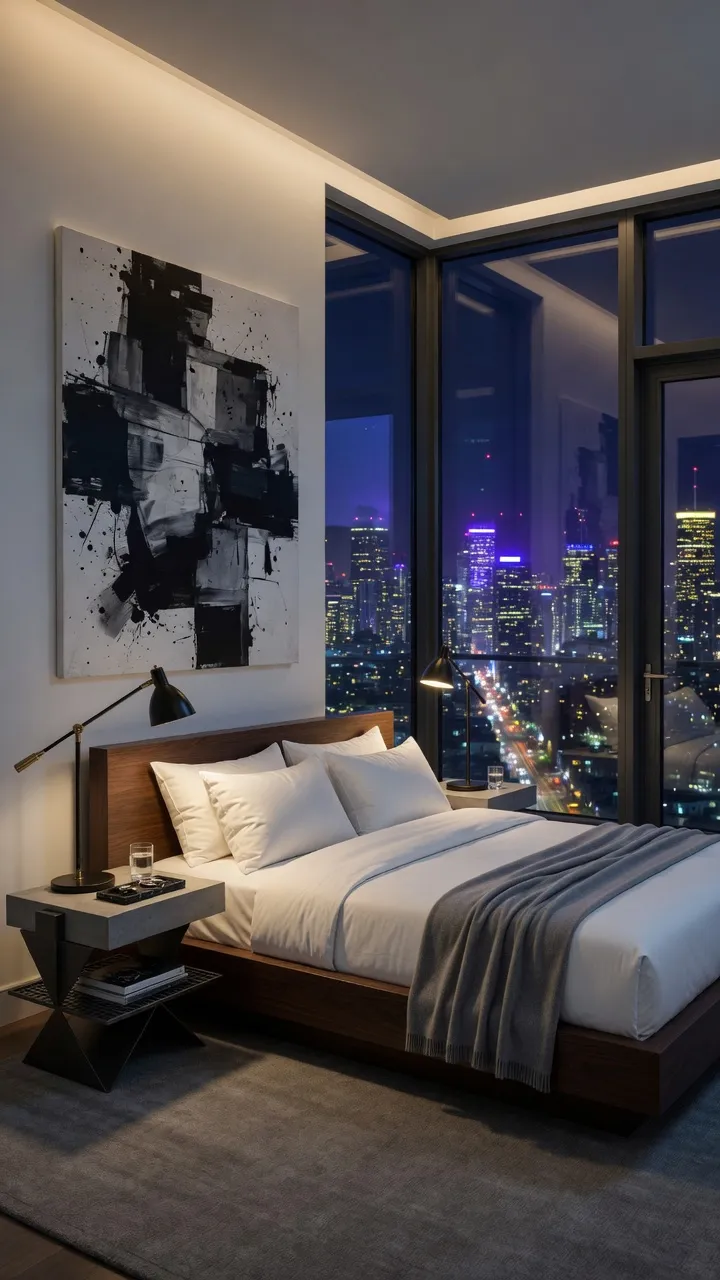
The urban penthouse bedroom is designed for the city dweller who craves hotel luxury in a decidedly contemporary, high-altitude context. This is a bedroom of clean angles, premium materials, and city views — a space that turns the urban landscape itself into part of the design.
Floor-to-ceiling windows, where available, are the room’s defining feature — and the entire design should respond to them. Keep window treatments minimal: sheer automated roller blinds in white or grey allow light control without blocking views, or opt for linen panels that frame rather than obscure the cityscape. At night, with city lights as a backdrop, the room requires particularly thoughtful lighting to ensure the interior feels warm and intimate rather than reflected and exposed.
The palette is cool and refined: deep charcoal, warm concrete grey, and rich ivory, accented with polished chrome, brushed nickel, or matte black hardware and fixtures. The bed is a statement in itself: a platform bed in dark walnut or lacquered ebony, dressed in white hotel-weight bedding with precision-folded corners. A cashmere or fine wool throw in a cool grey adds texture without warmth-tone disruption.
Art in this room should be large-scale and graphic: a single oversized abstract canvas in black, white, and warm grey above the bed, or a large-format black-and-white city photography print. The nightstands should be geometric and spare — concrete, black marble, or dark steel — with architectural, adjustable reading lamps. This is a bedroom for people who see beauty in cities, precision, and the quiet luxury of perfectly controlled space.
25. The Maximalist Velvet Jewel
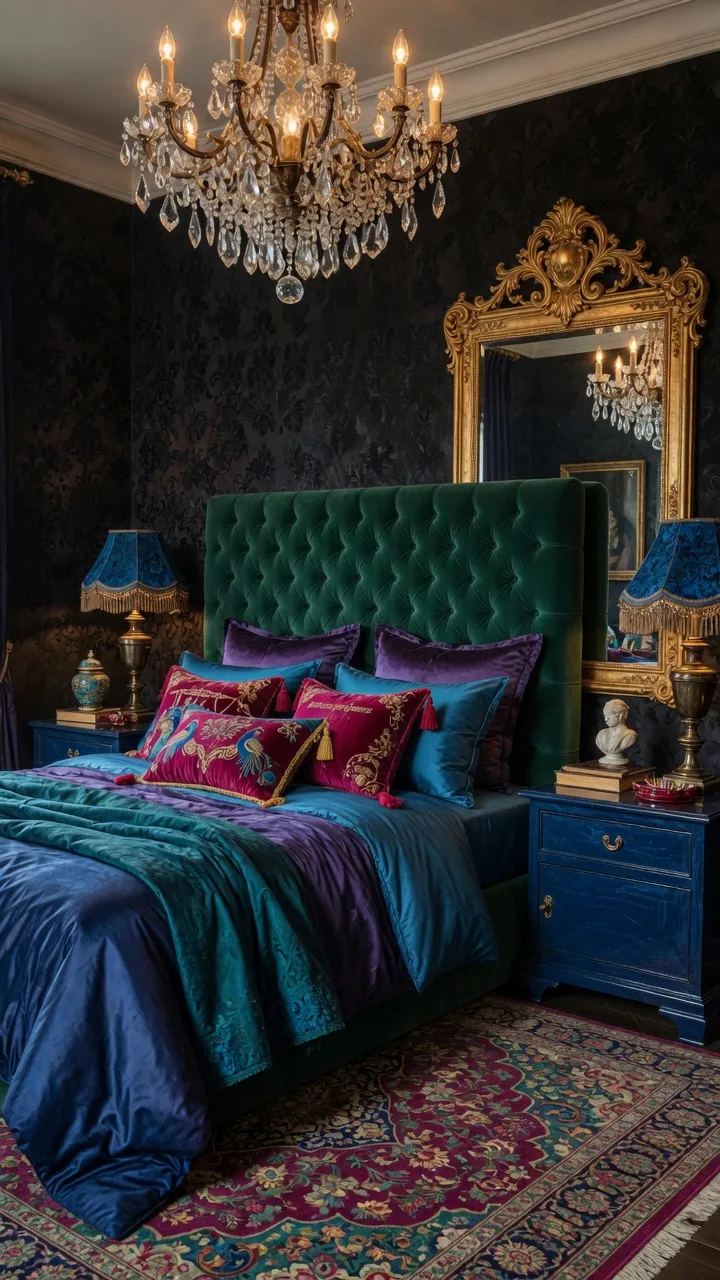
In a world that has long celebrated restraint, there is something deeply satisfying — and genuinely luxurious — about a maximalist bedroom that commits fully to its own extravagance. The Maximalist Velvet Jewel bedroom is rich, layered, deeply colored, and utterly unapologetic — and it pays homage to the most opulent hotel suites of the grand European tradition.
The palette is built on jewel tones: amethyst purple, deep emerald, sapphire, and rich ruby, against a background of deep charcoal or near-black walls that allow the colors to glow rather than compete. The walls might be textured — grasscloth, velvet wallpaper, or even dark silk — to add another layer of sensory richness.
The bed is the absolute star: an oversized, deeply tufted velvet headboard in rich purple or emerald, dressed in silk and velvet bedding in complementary jewel tones, with an abundance of pillows in varying sizes and textures — velvet, embroidered, silk, and tasseled. A silk duvet in a deep peacock blue, a velvet coverlet in forest green, and three accent pillows in amethyst, ruby, and gold create a layered textile feast.
Mirrors — large, ornate, gilt-framed, and positioned to multiply the richness of the room — are essential. A crystal or smoked glass chandelier overhead, antique brass and bronze accessories, and lacquered side tables in deep lacquer colours complete a room that is quite deliberately the most beautiful, indulgent, and extraordinary space its occupants have ever slept in.
26. The Soft Blush Romance
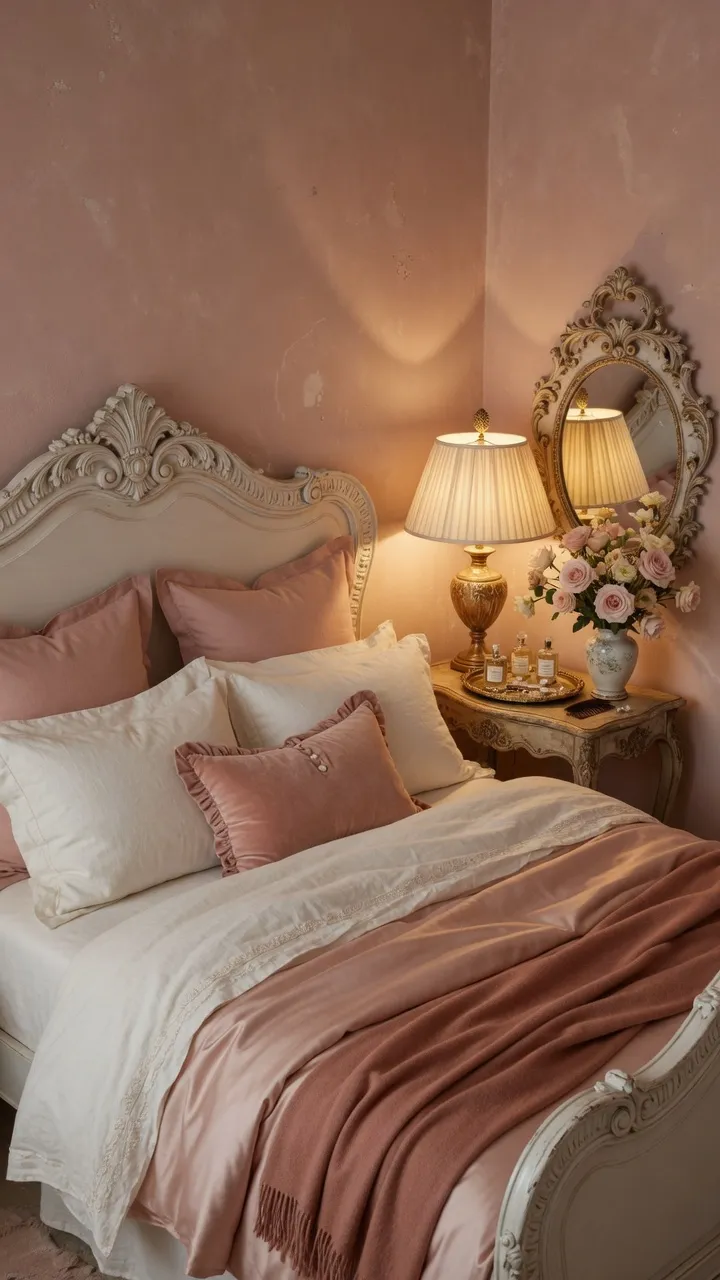
Blush has transcended its moment-of-trend status to become a true bedroom design classic — and when treated with sufficient sophistication, it achieves a level of quiet romance that is both timeless and deeply cozy. The key is to treat blush not as a single note but as a range, from the palest petal to a warm, dusty rose-terracotta that carries real pigment and presence.
The walls in a sophisticated blush bedroom are best in a chalky, matte tone — not the bright pink that reads as juvenile, but a complex, slightly greyed or terracotta-inflected blush that reads as warm and grown-up. This wall color creates a womb-like warmth that makes the room feel naturally cozy from the moment you enter.
The bedding should be luxurious and tonal: white and ivory linens as the base, with blush, dusty rose, and the faintest antique pink in the accent layers — a velvet lumbar pillow, a silk duvet cover with a faint rose-tinted sheen, a linen euro sham in dusty rose. A cashmere throw in the deepest blush-terracotta provides warmth and the ultimate textural softness.
Accessories should be deliberately romantic: fresh roses in various shades of blush and cream, a vintage perfume tray, an ornate bedside mirror, and lighting that is warm and golden. This is a bedroom that doesn’t just look beautiful — it makes you feel cared for, cherished, and beautifully at rest.
27. The Coastal Cottage With a Twist
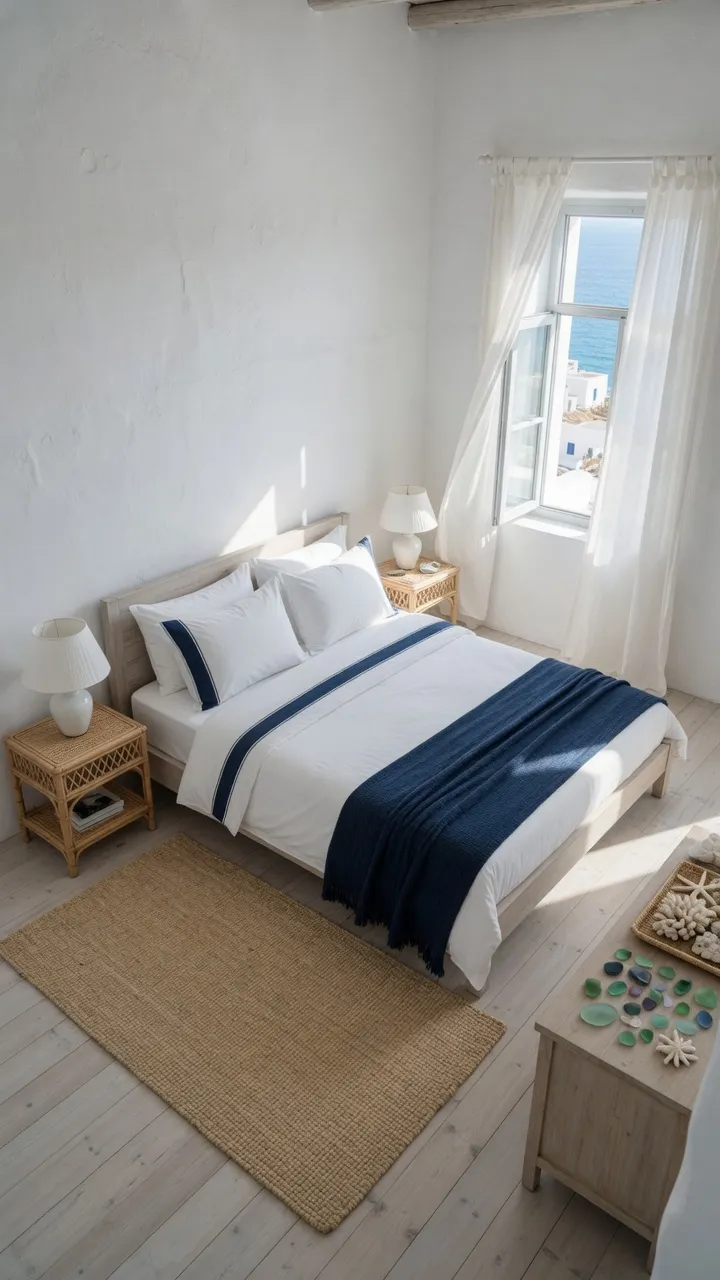
This is not the beach cottage of striped anchors and starfish-stenciled walls. This is the coastal bedroom as imagined by a design director who has spent time at the best small hotels in the Greek islands and the coast of Maine — spare, deeply considered, and quietly extraordinary in its restraint and material quality.
The palette draws from water and stone: weathered white, driftwood grey, deep ocean blue, and the soft warm tones of sea-washed pebbles. Walls are in a warm, chalky white with visible texture — the feel of a whitewashed island villa rather than a painted wall. The floor, where possible, is in wide-plank pale-washed wood or pale limestone tile, both of which reference the stones of a Mediterranean coastline.
The bed is low and generous — a platform bed in washed or bleached timber, dressed in heavyweight white cotton hotel bedding with a single accent in deep ocean navy: a Belgian linen duvet cover with a navy stripe, or a hand-woven navy throw draped artfully across one corner. Rattan or cane bedside tables, shell or sea glass objects as décor, and a sisal or bleached jute rug complete the natural material palette.
What elevates this above standard beach décor is the quality of each element and the severity of the editing. Not one object that doesn’t earn its place. Not one motif that feels like a souvenir. Just the material beauty of stone, wood, water, and light — and the very particular peace that comes from a bedroom that knows exactly what it is.
28. The Autumn Harvest Suite
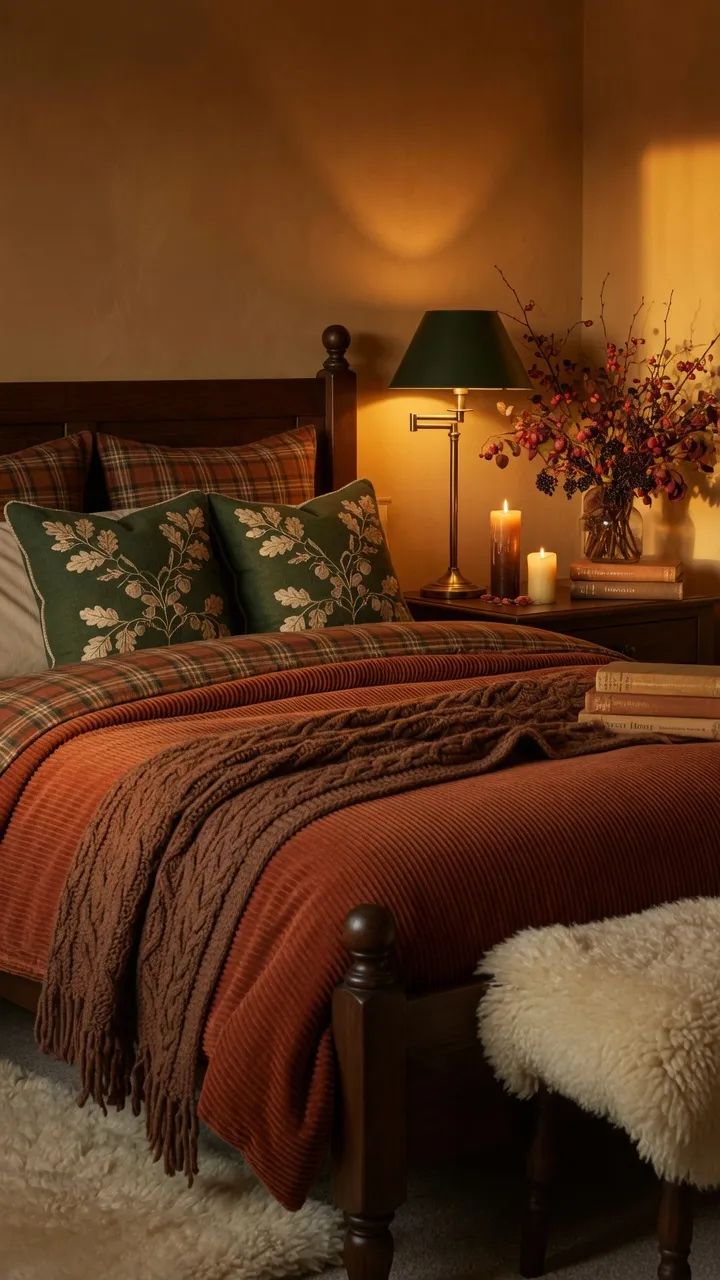
There is a specific kind of cozy that only exists in autumn — the feeling of retreating indoors from golden, leaf-scattered light into warmth and softness and the amber glow of evening. This bedroom concept captures and extends that seasonal feeling into a fully realized interior that feels perpetually autumnal in the most glorious way.
The palette is a harvest celebration: deep burnt orange, rich auburn, forest green, warm caramel, and the golden tones of aged oak. Walls in a rich, warm amber or deep caramel — slightly more saturated than a conventional neutral — create that wonderful sense of enclosure and warmth. Against this, bedding in deep rust, burnt sienna, and forest green creates a tableau that feels like the most beautiful pile of autumn leaves imaginable.
Texture is exceptionally important in this room: a ribbed velvet duvet in rust, a chunky hand-knitted throw in natural brown, embroidered euro shams, a flannel sheet set in warm plaid. Each textile should contribute a different tactile quality while maintaining the autumnal color story. A faux or real sheepskin at the foot of the bed adds one final layer of unapologetic warmth.
Accessories lean into the seasonal: a collection of beeswax candles, a vase of preserved autumn leaves or dried berry branches, a stack of books in warm-toned covers on the nightstand. The lighting is unabashedly golden — warm amber bulbs in every fixture, a pair of library-style brass table lamps with dark shades, and several pillar candles to complete the harvest festival warmth.
29. The Artisan Maker’s Room
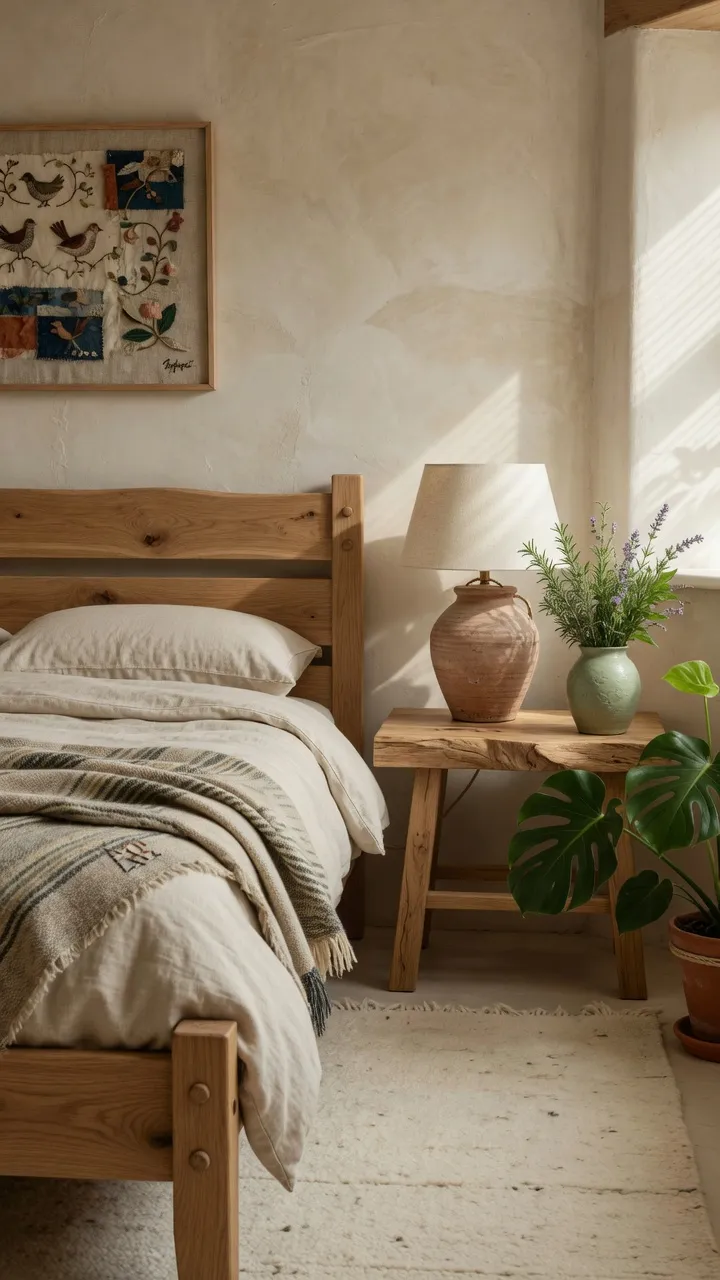
Some of the most memorable small luxury hotels in the world — the kind run by artists, designers, and people with genuine aesthetic obsession — have bedrooms that feel as though they were personally assembled by someone with extraordinary taste and a passion for craft. This bedroom concept channels that specific, rare quality.
The organizing principle here is authentic handcraft: furniture by individual makers, textiles by independent weavers, ceramics by studio potters, artwork by working artists. The room does not need to be expensive — but it must be genuine. A hand-thrown ceramic lamp base, a hand-woven linen throw in natural undyed fibers, a piece of handmade furniture with visible tool marks and material honesty — these objects carry a warmth and specificity that mass production cannot replicate.
The palette is earthy, quiet, and organic: warm white or raw clay walls, undyed or lightly dyed linen bedding, furniture in natural or oiled oak, ash, or walnut. Nothing is perfectly matched; everything is carefully chosen. The room feels like the bedroom of someone who travels slowly, collects thoughtfully, and knows the name of the person who made every object it contains.
Botanical elements are important in this space: a large, healthy houseplant, a bunch of fresh herbs in a handmade ceramic, foraged branches in a simple glass cylinder. The connection to the natural world — through materials, plants, and organic forms — is the room’s quiet defining characteristic and its deepest source of cozy warmth.
30. The Timeless Grand Hotel Classic
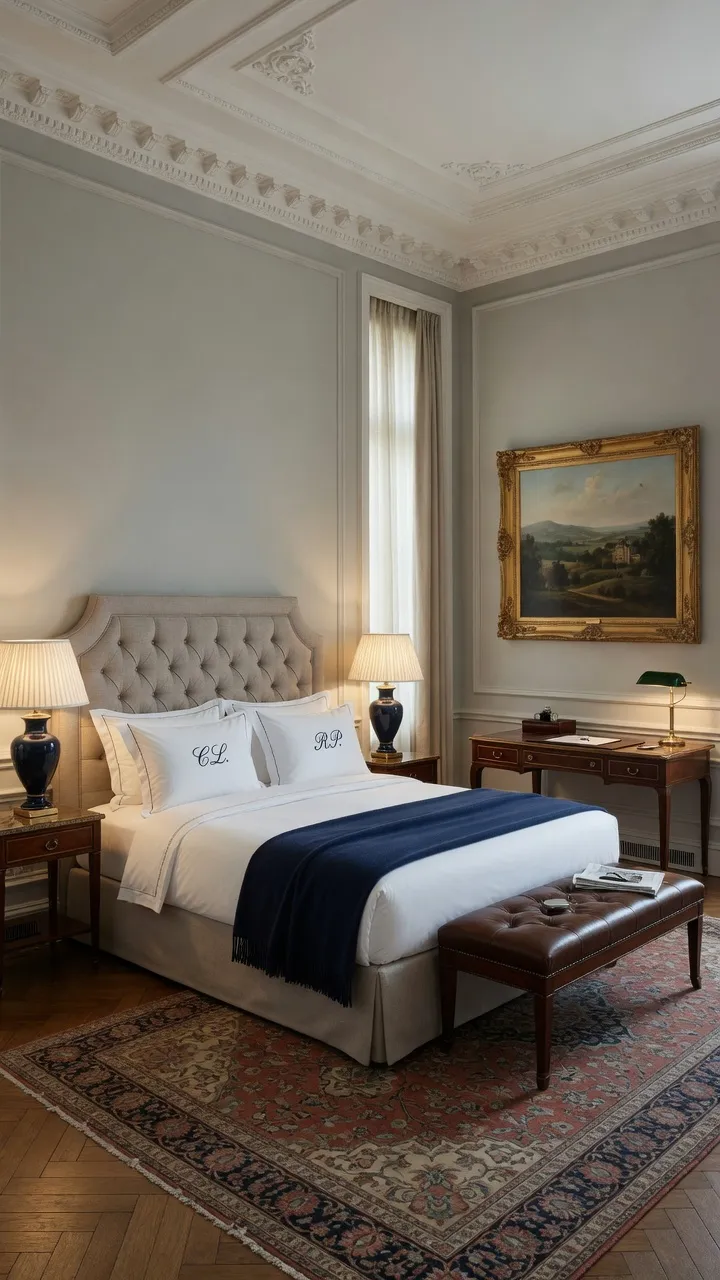
The final idea in this collection is perhaps the most enduring of all: the Grand Hotel Classic — the bedroom aesthetic that the world’s legendary hotels (Claridge’s, The Ritz Paris, The Gritti Palace) have refined over more than a century of understanding exactly what luxury means in a bedroom context.
This is a room of balanced symmetry, impeccable proportion, and quietly spectacular materials. The walls are dressed in a classic, sophisticated tone: a refined warm grey, a deep classic navy, or a traditional damask or ticking stripe wallpaper in two tones. The ceiling is high and white, and elaborate crown molding in crisp bright white separates the two.
The bed is a statement of formal beauty: a padded headboard in a classic fabric (damask, herringbone, or fine linen) flanked by perfectly matched nightstands — the quality of symmetry here is absolute. The bedding is the finest available: 800-thread-count cotton percale in pure white, hospital cornered, with a monogrammed duvet cover and pillowcases. A single cashmere throw in a classic dark grey or navy is folded with architectural precision at the foot of the bed.
Everything in this room is positioned with intention. A pair of matching lamps in ceramic and white shade. A writing desk in polished mahogany or dark walnut with a brass-accented lamp. A tufted leather bench at the foot of the bed. A large gilt-framed landscape or portrait on the wall. This room requires no trend and fears no time — it is, simply, perfect.
Final Thoughts
Creating a bedroom that feels like a 5-star hotel is not about spending more — it’s about choosing better. Better quality linens that you touch every night. Better lighting that makes you feel calm rather than scrutinized. Better attention to the layering of textures, the curation of objects, and the discipline to keep only what is genuinely beautiful or genuinely useful.
The 30 ideas in this collection span every aesthetic from spare Japanese minimalism to opulent Hollywood Regency glamour — and they all share one characteristic: intentionality. Every element in these rooms was chosen for a reason, placed with purpose, and maintained with care.
Start with one idea. Change the bedding. Replace the overhead light with table lamps. Add a statement headboard. Introduce one beautiful object. The transformation toward a 5-star bedroom is made one considered decision at a time — and each step will make your bedroom feel more like the sanctuary it deserves to be.
Cozy Bedroom Lighting: Fairy Lights, Dimmers and Warm Bulbs
Light changes the mood of a bedroom more than most decor does. A few small choices make any of the ideas above feel warmer.
Pick warm bulbs. Warm white bulbs, often labeled around 2700K, give a soft golden glow. Cooler bulbs make a bedroom feel more like an office.
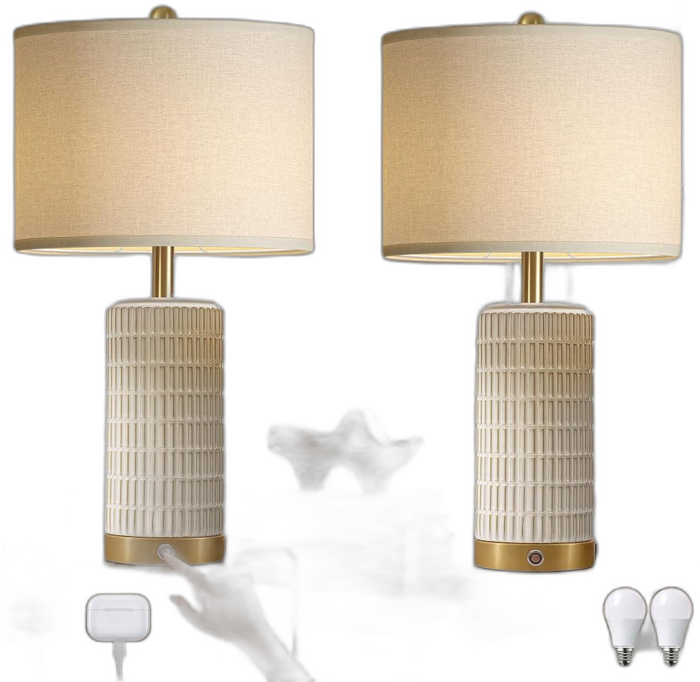
Add a dimmer. Dimmable bulbs on a dimmer or a touch lamp let you lower the light at night. Make sure the box says the bulb is dimmable.
Use lights at different heights. A bedside lamp, a floor lamp in a corner, and one small accent light feel cozier than a single overhead fixture.
Try fairy lights. Warm white string lights look best draped along the headboard wall, over a curtain rod, or around a canopy. Plug-in strings stay steady. Battery strings work when there is no outlet nearby. Choose lights marked for indoor use with a safety listing such as UL or ETL, and keep them off bedding and out from under pillows.
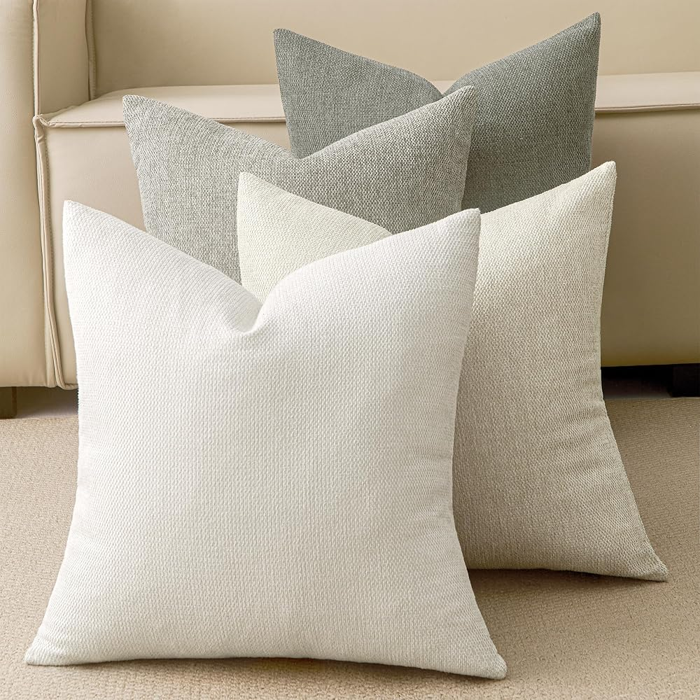
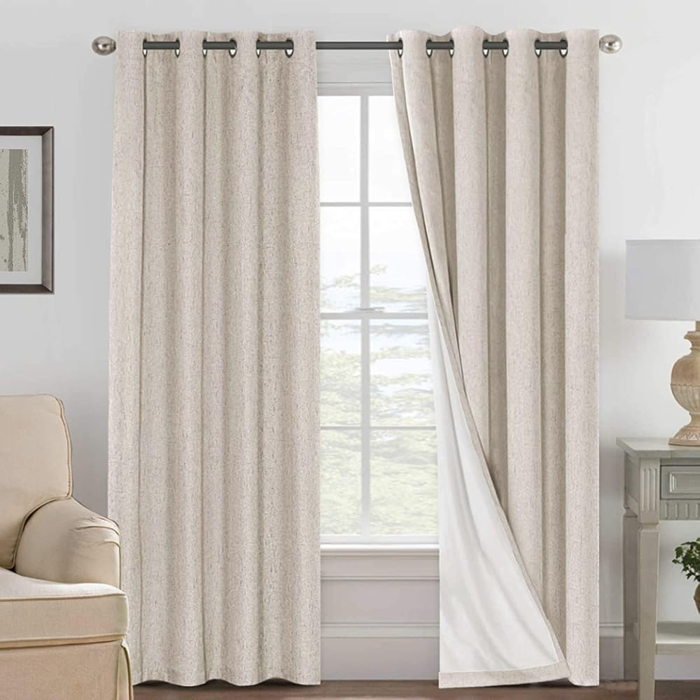
Bedroom Picks to Get the Look

Related Guides

Olivia Bennett is the Lead Content Editor at The Dailey House. She specializes in interior styling, bedroom aesthetics, and creating spaces that feel intentional without feeling out of reach. With over a decade of experience covering home interiors, Olivia believes every room should tell you something about the person who lives in it.