

Warm white and cool white Christmas lights look completely different once they are actually lit up, and picking the wrong one is one of the most common holiday decorating regrets. Here is the real difference, and which one fits your home.
Our Top Picks at a Glance
| Product | Why we picked it | |
|---|---|---|
| Warm White Outdoor LED String Lights Warm white | Shop on Amazon | |
| Cool White LED String Lights Choose cool white if | Shop on Amazon | |
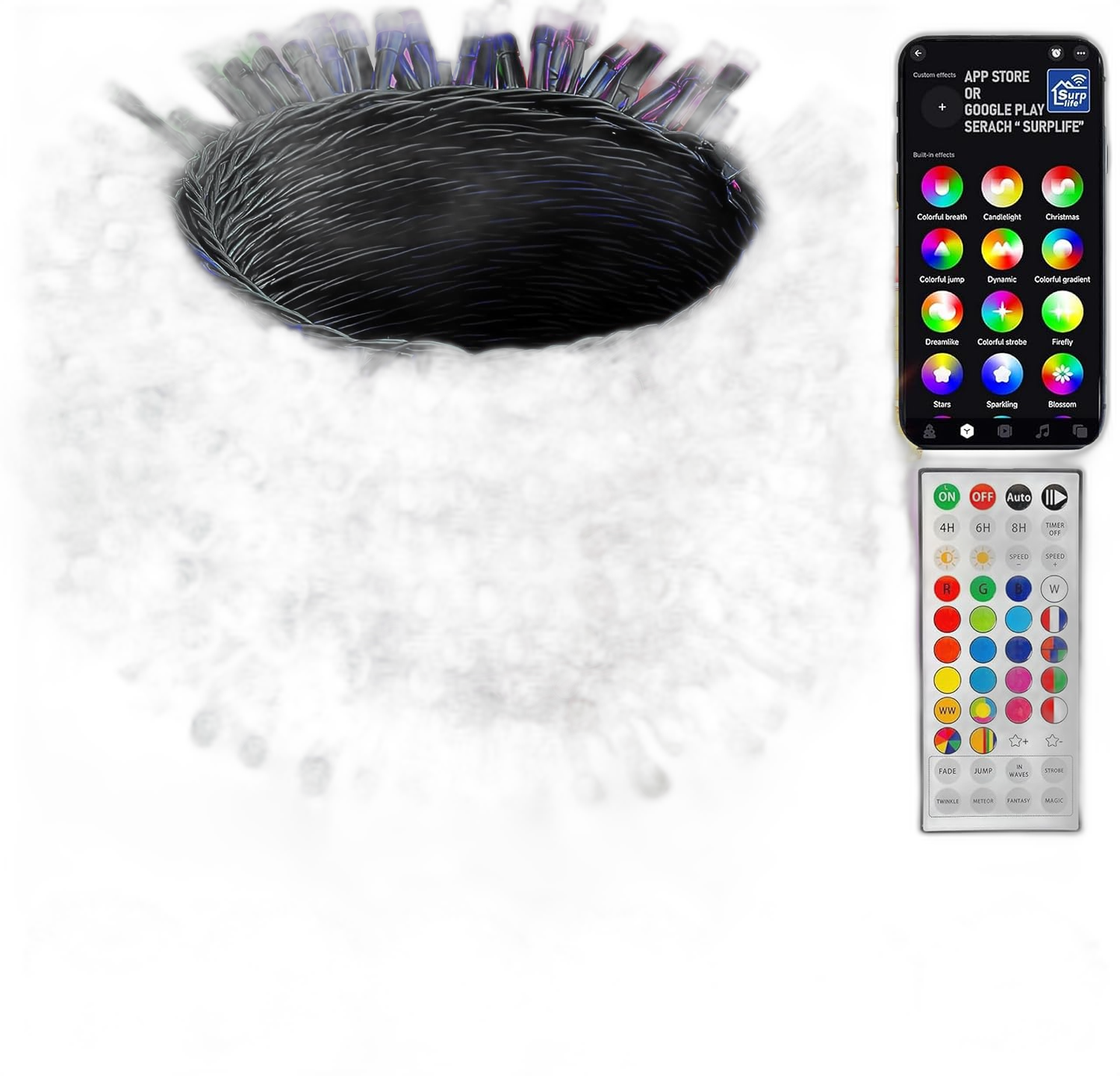
| Smart Color-Changing String Lights App and remote controlled | Shop on Amazon |


What “Warm” and “Cool” Actually Mean
Light color is measured in Kelvin (K), and that number tells you everything.
Warm white sits around 2700K to 3000K. It has a yellow-amber tint, close to old-fashioned incandescent bulbs. This is the classic, cozy “holiday glow” most people picture.
Cool white sits around 5000K to 6500K. It has a crisp, slightly blue tint, closer to daylight or a modern retail display. It reads as clean and modern rather than cozy.
Some brands also sell “pure white” or “bright white,” which lands in between, around 4000K to 4500K — less yellow than warm white, less blue than cool white.
Which One Should You Choose?
Choose warm white if you want a traditional, cozy look. It is the standard pick for indoor trees, mantels, and most porch displays, and it pairs well with almost any color scheme, including colored ornaments and lights.
Choose cool white if you want a modern, crisp look, or if you are going for an all-white, minimalist, or “winter wonderland” theme. It also tends to show up brighter in photos taken at night.
Mixing both is possible, but it needs to be intentional. A tree with random warm and cool bulbs mixed together usually looks like a mistake, not a style choice. If you want both, separate them by zone — warm white on the tree, cool white outlining the house, for example — rather than tangled together on the same strand.
Indoor vs. Outdoor: Does the Setting Change the Answer?
Indoors, warm white is the near-universal choice. It matches the ambiance most people want for a living room or a decorated tree, and it does not clash with lamps or other warm-toned indoor lighting.
Outdoors, both work well, but they read differently from the street. Warm white blends into a classic, traditional home exterior. Cool white stands out more sharply against dark brick or dark siding and reads as more contemporary from a distance.
Common Mistakes to Avoid
What to Check Before You Buy
- Check the Kelvin number on the box, not just the word “white”
- Buy a little extra — having spare bulbs or a spare strand on hand matters more at 9pm on a cold night than you’d think
- Look for “tunable white” or color-changing options if you are not sure which tone you will prefer
- Confirm indoor/outdoor rating before you buy — outdoor-rated strands handle cold and moisture that indoor ones are not built for
- None of the three lights on this page publishes a Kelvin number we could find, and manuals and listings sometimes disagree on water ratings and how many sets can be connected end to end. Check the package and the tag before you buy.
Quick Picks by Display Style
Frequently Asked Questions
Which is more popular, warm white or cool white Christmas lights?
Warm white is the more popular choice overall, especially for indoor trees and traditional-style homes. Cool white has a smaller but devoted following among people going for a modern or all-white theme.
Can you mix warm white and cool white lights on a Christmas tree?
You can, but it works best when the two are kept in separate, deliberate zones rather than mixed randomly on the same strand, which tends to look like an error rather than a design choice.
What Kelvin is considered warm white for Christmas lights?
Warm white typically falls between 2700K and 3000K. Anything above about 4000K starts reading as “cool” or “daylight” rather than warm.
Do warm white or cool white lights look brighter?
Cool white often appears brighter in photos and from a distance because of its blue undertone, even at a similar actual brightness level to warm white. If you want maximum visible brightness from the street, cool white has a slight edge.

Olivia Bennett is the Lead Content Editor at The Dailey House. She specializes in interior styling, bedroom aesthetics, and creating spaces that feel intentional without feeling out of reach. With over a decade of experience covering home interiors, Olivia believes every room should tell you something about the person who lives in it.