

Blinds come in more styles than most people realize, and picking the wrong one means dealing with something that is hard to clean, blocks too much light, or just does not fit your window the way you pictured. Here is a real comparison of the main types, including which ones actually work for renters.
The Main Types of Blinds, Compared
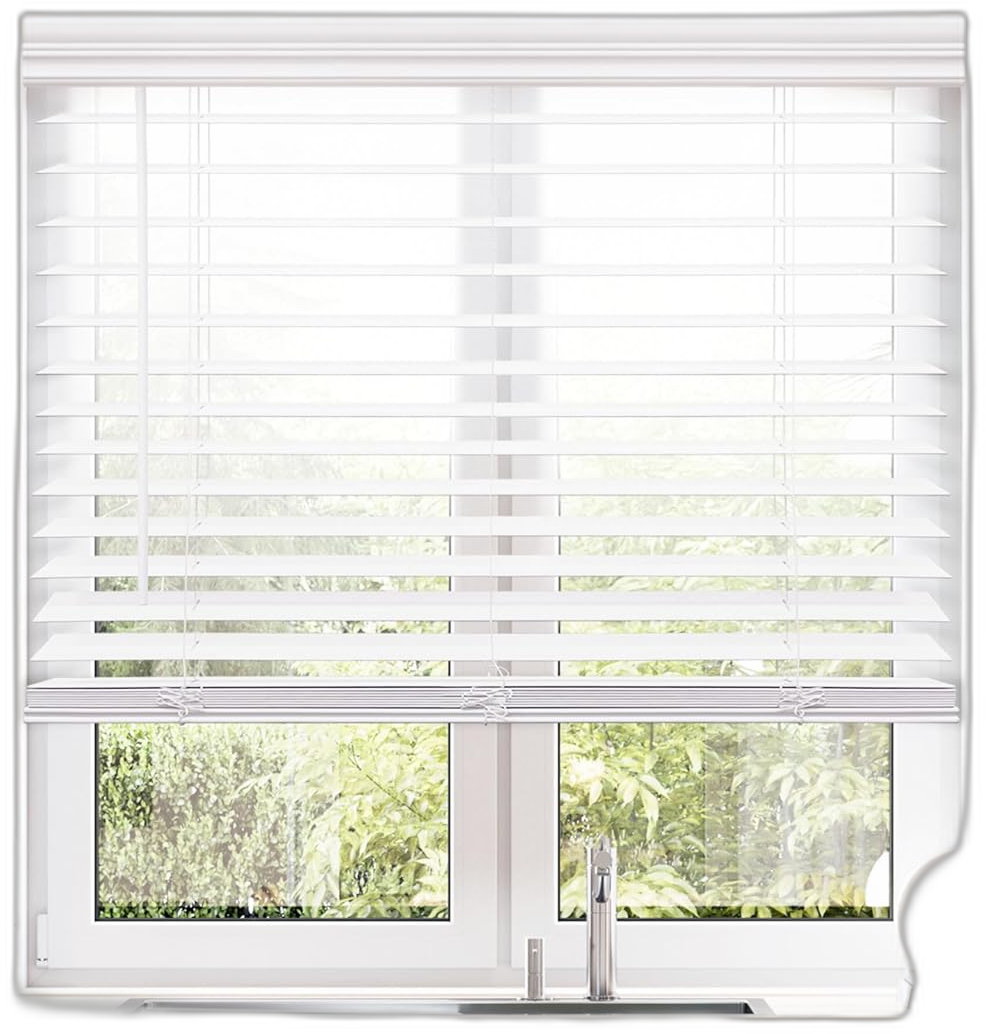
Faux wood blinds are the most popular all-around choice. They look like real wood, cost less, and handle humidity better — a real advantage in kitchens and bathrooms where real wood can warp.
Real wood blinds give the warmest, most upscale look. They are lighter than faux wood despite looking similar, which matters for very wide windows. The tradeoff is cost. They also do not like humidity, so skip them in bathrooms.
Aluminum mini blinds are the budget pick. Thin metal slats, usually 1/2 to 1 inch wide, and the least expensive option by a wide margin. They are a bit more fragile than wood or faux wood and show bends more easily.
Vertical blinds hang from a top track instead of stacking horizontally. They are the standard choice for sliding glass doors and very wide windows, where horizontal blinds do not work well.
Roller blinds are a single piece of fabric that rolls up and down, no slats at all. Clean, modern look, and one of the easiest styles to operate one-handed.
Solar shades are a see-through, sun-filtering fabric. You keep your view and natural light while cutting glare and UV — a good pick for a room where you do not want to feel boxed in.
Roman shades fold into soft, stacked pleats when raised. More decorative than functional blinds, and they pair especially well with a layered, styled window treatment.
Cellular (honeycomb) shades trap air inside a honeycomb-shaped pocket. That gives them real insulation value. Pick these if energy savings matter to you, not just blocking light.
Renter-Friendly Options (No Drilling Required)
Most blinds mount with screws into the window frame or wall, which is not ideal if you rent. A few real options avoid that entirely:
- Tension-mounted blinds: wedge inside the window frame with spring pressure, the same idea as a tension curtain rod. No screws. No landlord conversation needed.
- Adhesive-mount blinds: use strong double-sided mounting strips instead of screws. Works for lighter blinds; check the weight rating before you commit to a wider window.
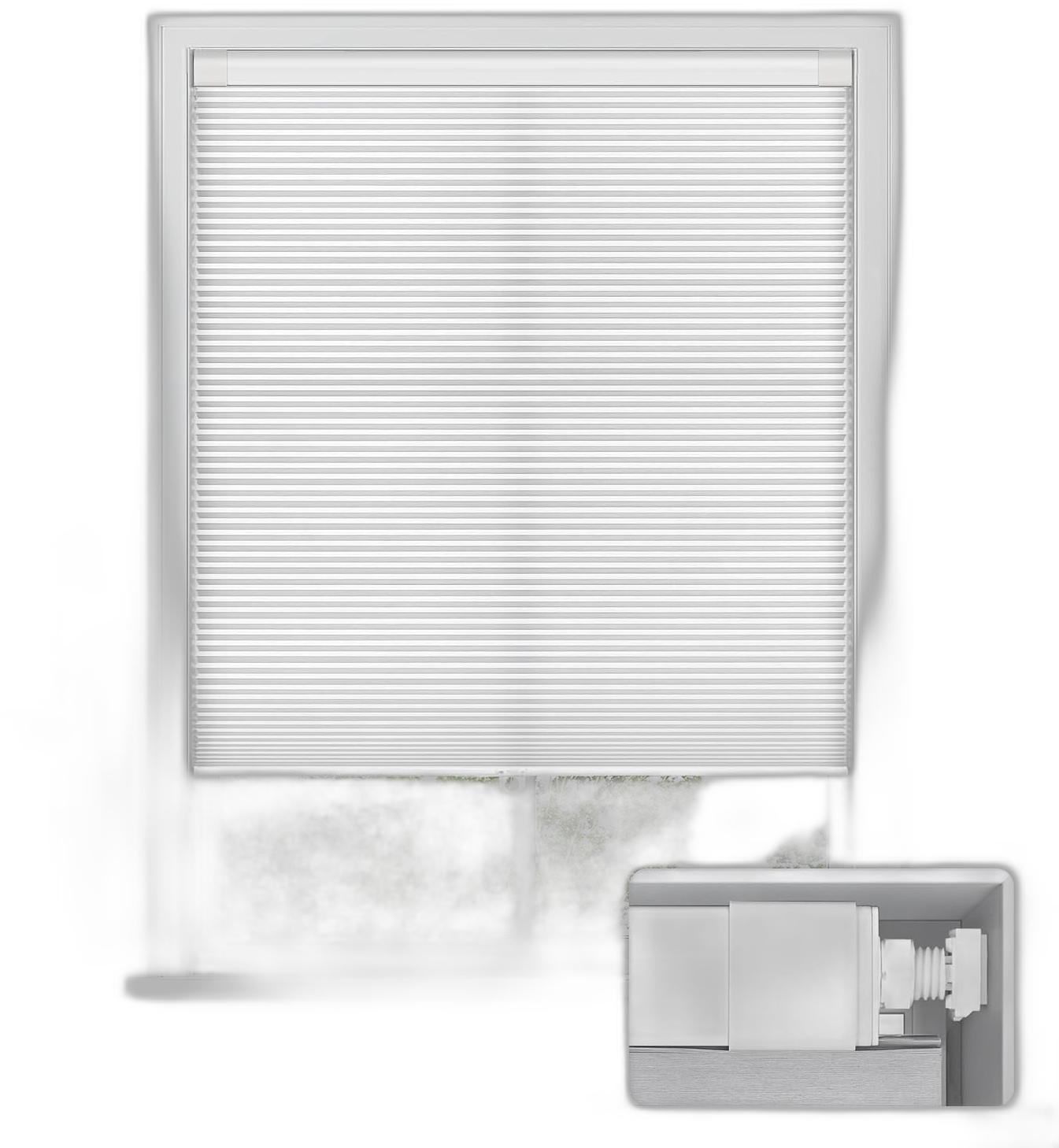
- Cordless cellular shades with a tension-fit frame: a slightly pricier option, but it gives you the insulation benefit of cellular shades with zero wall damage.
Light Control: Which Type Blocks the Most Light?
If bedroom darkness matters more than style, this is the real ranking, darkest to lightest:
- Blackout roller shades — block nearly all light, the top choice for bedrooms
- Wood or faux wood blinds, slats closed — very good light control, though some gaps remain at the edges
- Cellular shades (blackout lining) — strong light control plus insulation
- Roman shades — moderate, depends heavily on the fabric
- Solar shades — intentionally let some light through; not the choice for a dark room
Which Blinds Work Best, Room by Room?
Corded vs. Cordless: Which Should You Choose?
Cordless is the safer, more modern default, especially in a home with kids or pets — there is no dangling cord to become a hazard. Cordless blinds also look cleaner, with no cord pull visible at the side.
Corded blinds still exist and cost a bit less. But most makers have moved to cordless as the standard. Many stores no longer even sell corded options for homes with young kids.
Motorized and Smart Blinds
Motorized blinds raise and lower with a small built-in motor. You control them with a remote, a wall switch, a phone app, or a voice assistant. Many can also follow a schedule, such as opening at sunrise.
They make the most sense for windows that are hard to reach, very wide, or hidden behind furniture. They also remove the pull cord, which helps in homes with young children or pets.
Know the tradeoffs before you buy:
- Power source: some run on a rechargeable battery, some on a small solar panel, and some are hardwired. Battery models need no electrician, but you will need to recharge them from time to time.
- Cost: they usually cost more than manual blinds of the same size and style.
- Compatibility: smart features depend on the hub, app, or voice assistant you use. Check that the blind works with your setup before you order.
- Retrofit kits: some kits add a motor to certain existing blinds. Check the kit’s list of supported blind types and sizes first.
If you rent, look for a battery-powered model and read the mounting method in the listing. Some motorized blinds still need screws.
Common Mistakes to Avoid
What Blinds Typically Cost
Frequently Asked Questions
What is the most popular type of blinds?
Faux wood blinds are the most widely chosen option. They offer the look of real wood, handle humidity well, and cost less than real wood, which makes them a safe default for most rooms.
What type of blinds is best for blocking light?
Blackout roller shades block the most light of any common blind style, followed closely by wood or faux wood blinds with the slats fully closed.
Can you put blinds up in a rental without drilling?
Yes. Tension-mounted blinds wedge inside the window frame with spring pressure, and adhesive-mount blinds use strong mounting strips instead of screws. Both avoid any permanent damage to the window frame.
Are cordless blinds worth the extra cost?
In homes with kids or pets, yes — cordless removes a real safety hazard. Even without that concern, most people find cordless easier to use. It also looks cleaner. That is why most retailers made it the standard option.

Olivia Bennett is the Lead Content Editor at The Dailey House. She specializes in interior styling, bedroom aesthetics, and creating spaces that feel intentional without feeling out of reach. With over a decade of experience covering home interiors, Olivia believes every room should tell you something about the person who lives in it.