Choosing the right study desk height can transform your focus, comfort, and long-term health. This guide walks you through measuring, adjusting, and personalizing your desk setup to match your body and study habits.
Key Takeaways
- Proper desk height prevents strain: Sitting at the correct height reduces neck, shoulder, and back pain during long study sessions.
- Measure from elbow to floor: Your ideal desk height is typically 2–4 inches below your elbow when seated with feet flat.
- Adjustable desks offer flexibility: Height-adjustable desks let you switch between sitting and standing, boosting focus and energy.
- Chair and desk must work together: Your chair height affects desk usability—adjust both for a balanced ergonomic setup.
- Kids need growing solutions: Children’s desks should grow with them; look for adjustable or modular designs.
- Test and tweak for comfort: Spend a week testing your setup and make small changes to improve posture and focus.
- Accessories help fine-tune: Use footrests, monitor risers, or keyboard trays to perfect your study space.
Find the Perfect Study Desk Height for Comfort and Focus
Imagine settling into your study chair, opening your notebook, and feeling completely at ease. Your arms rest naturally on the desk, your screen is at eye level, and your back feels supported. No slouching, no neck craning, no leg fidgeting. This isn’t a dream—it’s the result of getting your study desk height just right.
Whether you’re a student, remote learner, or lifelong reader, your desk setup plays a huge role in how well you focus and how comfortable you feel. A desk that’s too high or too low can lead to fatigue, poor posture, and even long-term health issues. But finding the perfect height doesn’t have to be complicated. With a few simple steps, you can create a study space that supports your body and boosts your productivity.
In this guide, you’ll learn how to measure your ideal desk height, adjust your current setup, and make smart choices when buying a new desk. We’ll cover everything from basic ergonomics to troubleshooting common problems—so you can study smarter, not harder.
Why Desk Height Matters for Studying
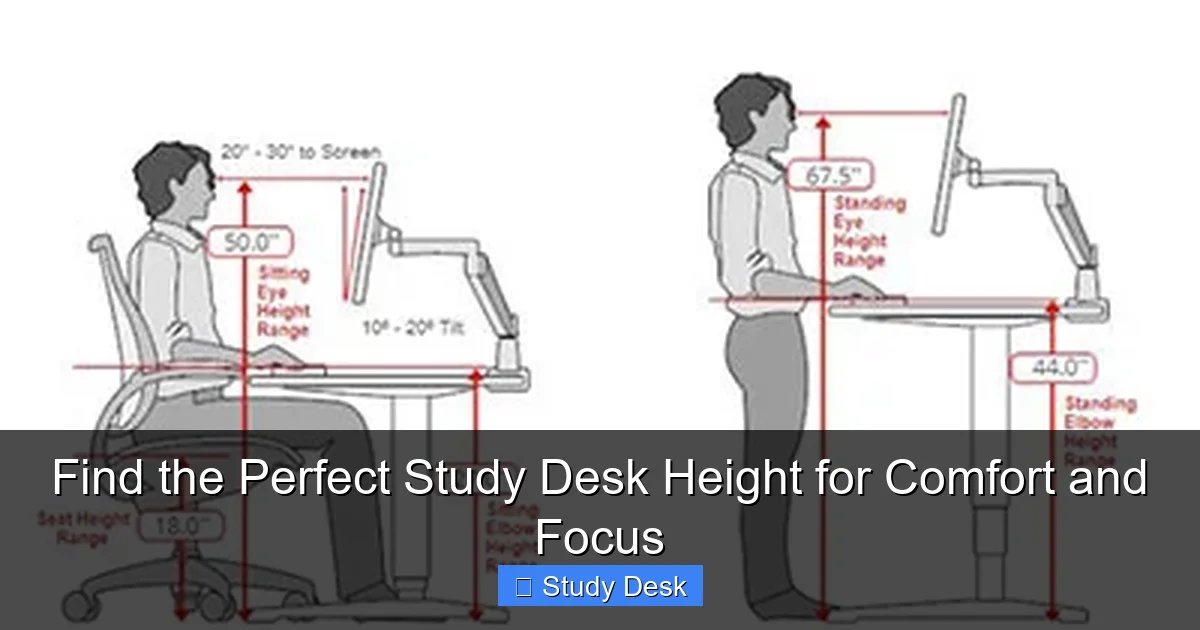
You might think a desk is just a flat surface to hold your books and laptop. But in reality, it’s the foundation of your entire study experience. The height of your desk affects your posture, circulation, and even your ability to concentrate.
Visual guide about Find the Perfect Study Desk Height for Comfort and Focus
Image source: bestofficechair.org
When your desk is too high, you’re forced to raise your shoulders and bend your wrists upward to write or type. This can cause tension in your neck and shoulders, leading to discomfort and distraction. On the other hand, a desk that’s too low forces you to hunch forward, rounding your spine and straining your lower back. Over time, this can lead to chronic pain and reduced focus.
Studies show that ergonomic workspaces improve concentration, reduce fatigue, and increase productivity. A well-adjusted desk helps you maintain a neutral posture—your spine aligned, shoulders relaxed, and feet flat on the floor. This not only feels better but also keeps your mind sharp and engaged.
Plus, the right desk height can prevent long-term issues like carpal tunnel syndrome, tension headaches, and spinal misalignment. Investing a little time in setting up your study space correctly pays off in better health and better results.
How to Measure Your Ideal Study Desk Height
The first step to finding your perfect desk height is understanding your body’s natural measurements. Everyone is different, so there’s no one-size-fits-all number. But there’s a simple method that works for most people: the elbow-to-floor test.
Visual guide about Find the Perfect Study Desk Height for Comfort and Focus
Image source: thecaringgirl.com
Step 1: Sit in Your Study Chair
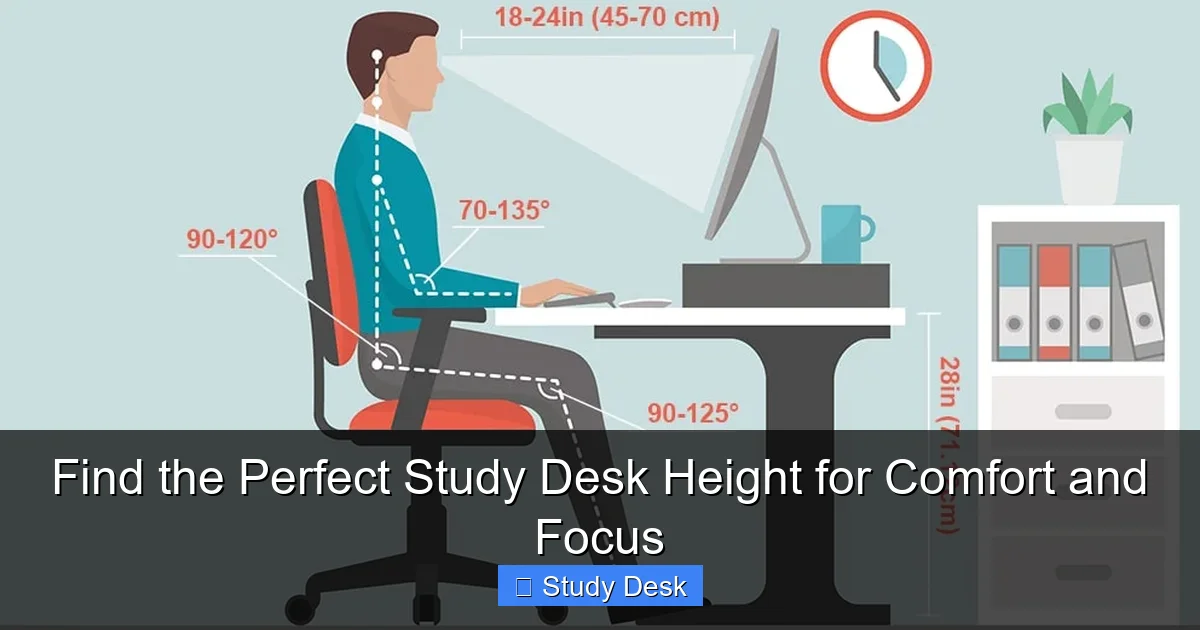
Start by sitting in the chair you use for studying. Make sure your feet are flat on the floor and your knees are bent at a 90-degree angle. Your thighs should be parallel to the ground, and your lower back should be supported—either by the chair’s design or a small cushion.
Step 2: Let Your Arms Hang Naturally
Relax your shoulders and let your arms hang down at your sides. Then, bend your elbows to a 90-degree angle, as if you’re about to type or write. Your forearms should be parallel to the floor.
Step 3: Measure from Elbow to Floor
Use a tape measure to find the distance from the floor to the bottom of your bent elbow. This number is your ideal desk height range. For most adults, this falls between 26 and 30 inches. But it can vary based on your height and chair design.
Step 4: Adjust for Comfort
Your desk should be about 1–2 inches below your elbow height. This allows your arms to rest comfortably on the surface without lifting your shoulders or bending your wrists. If you’re using a keyboard or writing, you want your wrists to stay straight and level.
For example, if your elbow measures 28 inches from the floor, aim for a desk height of 26–27 inches. This gives you enough space to work without strain.
Choosing the Right Desk Based on Your Height
Now that you know how to measure, let’s look at general guidelines based on height. These are starting points—always fine-tune based on your personal comfort.
Visual guide about Find the Perfect Study Desk Height for Comfort and Focus
Image source: theworkspacehero.com
For People Under 5’4″ (163 cm)
If you’re on the shorter side, standard desks (around 29–30 inches) may be too high. Look for desks in the 24–27 inch range. You might also need a footrest to keep your feet flat and your posture aligned.
For People 5’4″ to 5’10” (163–178 cm)
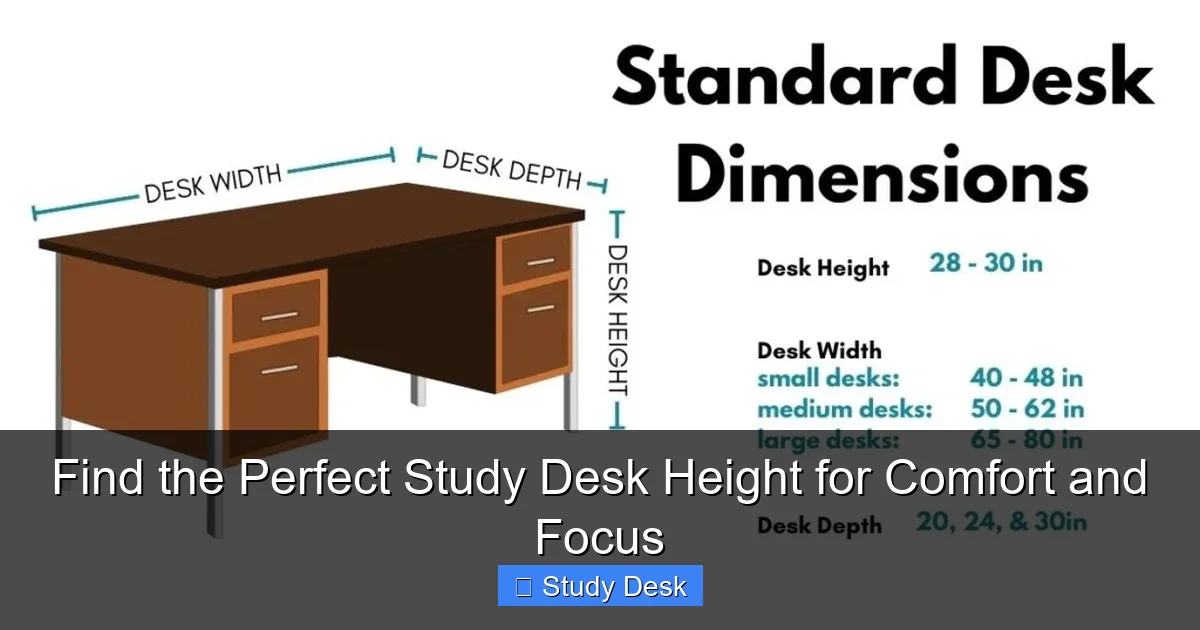
This is the most common height range, and many standard desks (28–30 inches) work well. Use the elbow test to confirm, and adjust your chair height accordingly.
For People Over 5’10” (178 cm)
Taller individuals often find standard desks too low. Aim for desks between 30–32 inches. If your desk is fixed and too low, consider using a keyboard tray or raising the desk with risers.
Remember, these are just guidelines. The best desk height is the one that feels right for your body. Don’t be afraid to experiment.
Adjusting Your Current Desk Setup
Not everyone can buy a new desk. The good news? You can often tweak your current setup to improve comfort and focus.
Raise a Low Desk
If your desk is too low, try these fixes:
- Use desk risers: These are small blocks or platforms that lift your desk by 1–4 inches. They’re affordable and easy to install.
- Stack sturdy books or wood blocks: For a DIY solution, place thick, stable books under each leg. Make sure they’re secure and won’t shift.
- Add a keyboard tray: If only your keyboard feels low, a pull-out tray can bring it to the right height without changing the whole desk.
Lower a High Desk
If your desk is too high, try these options:
- Adjust your chair height: Raise your chair so your elbows align with the desk. Use a footrest if your feet don’t reach the floor.
- Use a writing slope or lap desk: These angled surfaces can bring your work closer to your body, reducing the need to reach up.
- Replace the chair: A taller chair with proper lumbar support can make a big difference.
Improve Chair and Desk Harmony
Your chair and desk should work as a team. If one is off, the whole setup suffers. Here’s how to balance them:
- Sit with your back against the chair and adjust the seat height so your feet are flat.
- Check that your elbows are at desk level when your arms are relaxed.
- If your chair has armrests, make sure they don’t push your shoulders up when you rest your arms.
Small changes can have a big impact. Spend a few days testing different adjustments and notice how your body feels.
Benefits of Adjustable and Standing Desks
If you’re serious about comfort and focus, consider upgrading to an adjustable or standing desk. These desks let you change the height throughout the day, which can boost energy, improve posture, and reduce fatigue.
Why Adjustable Desks Are Worth It
With an adjustable desk, you can switch between sitting and standing. This keeps your body moving and prevents stiffness. Studies show that standing for part of the day can improve circulation, increase alertness, and even burn extra calories.
Many electric adjustable desks come with memory settings, so you can save your ideal sitting and standing heights. Some even have reminders to prompt you to change positions every 30–60 minutes.
How to Use a Standing Desk for Studying
When using a standing desk:
- Stand with your weight evenly distributed on both feet.
- Keep your monitor at eye level—about 20–30 inches away.
- Use an anti-fatigue mat to reduce pressure on your feet and legs.
- Start with 15–30 minutes of standing and gradually increase.
Standing desks aren’t just for offices. Students can benefit too—especially during long study sessions or when reviewing notes.
Special Considerations for Kids and Teens
Children and teens are still growing, so their desk needs change over time. A desk that fits a 10-year-old won’t work for a 16-year-old. That’s why flexibility is key.
Look for Adjustable Kids’ Desks
Many brands now offer desks that grow with your child. These desks have height settings that can be adjusted as they get taller. Some even have tilting tabletops for reading and writing.
Teach Good Posture Early
Help your child sit with their back straight, feet flat, and screen at eye level. Avoid letting them slump or hunch over their work. Good habits now prevent problems later.
Involve Them in the Process
Let your child test different heights and give feedback. If they feel uncomfortable, adjust the setup. A desk that feels good encourages focus and independence.
Troubleshooting Common Desk Height Problems
Even with the best setup, you might run into issues. Here’s how to fix the most common problems.
Problem: Desk Feels Too High
Symptoms: Shoulders raised, wrists bent upward, neck strained.
Solution: Lower your chair or use a footrest. If the desk is fixed, try a lap desk or writing slope to bring work closer.
Problem: Desk Feels Too Low
Symptoms: Hunching forward, back pain, arms stretched down.
Solution: Raise the desk with risers or use a keyboard tray. Make sure your chair isn’t too high—your feet should stay flat.
Problem: Arms Don’t Rest Comfortably
Symptoms: Elbows floating, wrists unsupported, shoulder tension.
Solution: Adjust chair height or add a padded armrest. Your forearms should rest lightly on the desk without lifting your shoulders.
Problem: Feet Don’t Reach the Floor
Symptoms: Legs dangling, lower back pressure, restlessness.
Solution: Use a footrest. Even a small stool or stack of books can help maintain proper posture.
Tips for Maintaining Good Posture While Studying
Even with the perfect desk height, posture matters. Here are a few habits to keep your body aligned:
- Sit back in your chair: Use the backrest for support. Don’t perch on the edge.
- Keep your screen at eye level: Use a monitor stand or stack books under your laptop.
- Take breaks every 30 minutes: Stand, stretch, or walk around to reset your posture.
- Keep essentials within reach: Avoid twisting or reaching far for books, pens, or water.
Good posture isn’t just about comfort—it helps your brain stay alert and focused.
Conclusion
Finding the perfect study desk height is one of the simplest ways to improve your focus, comfort, and long-term health. It starts with measuring your body, adjusting your setup, and making smart choices about furniture.
Remember, there’s no magic number—only what feels right for you. Use the elbow test, tweak your chair and desk, and don’t be afraid to try new things. Whether you’re using a basic desk or a high-tech adjustable model, the goal is the same: a space that supports your body and helps you learn better.
Take the time to set up your study area with care. Your back, your neck, and your grades will thank you.