

Measuring for curtains takes about ten minutes, and it saves you from the two most common mistakes: curtains that look skimpy and curtains that hang too short. This guide shows you how to measure width and length, how many panels to buy, and what to do for odd windows. It includes worked examples, size tables, and answers to the questions people really ask.
The Quick Method
- 1. Decide where the rod goes. Mount it 3 or more inches above the window frame. Let it run 6 to 12 inches past the frame on each side.
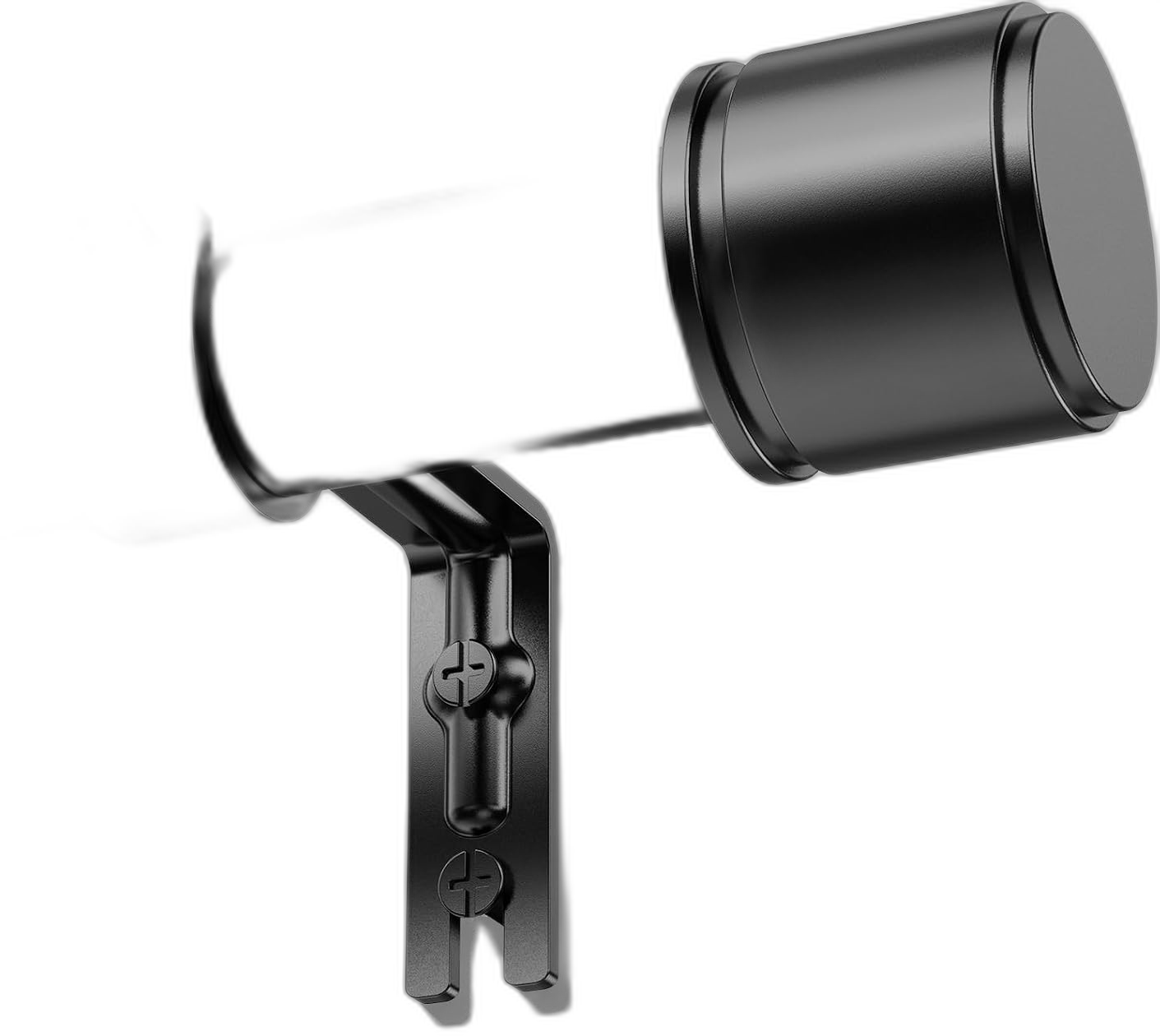
- 2. Measure the rod, not the window. Measure the rod’s length without the decorative end caps.
- 3. Multiply by 1.5 to 2. That is the total width of fabric you need.
- 4. Divide by the panel width. Most panels are 48 to 50 inches wide. Round up.
- 5. Measure the drop. Measure from the rod (or the ring) to where you want the curtain to end. Floor-length curtains stop about 3/8 inch above the floor.
Want the math done for you? Try our curtain size calculator. Not sure how long to go? See our guide on how long curtains should be.
What You Need
A steel tape measure (a 25-foot one is easy to read and does not sag), a pencil and paper, a step stool or ladder, and a level. Furn also recommends a steel tape of 3 or more meters and a spirit level to check your marks (Furn).
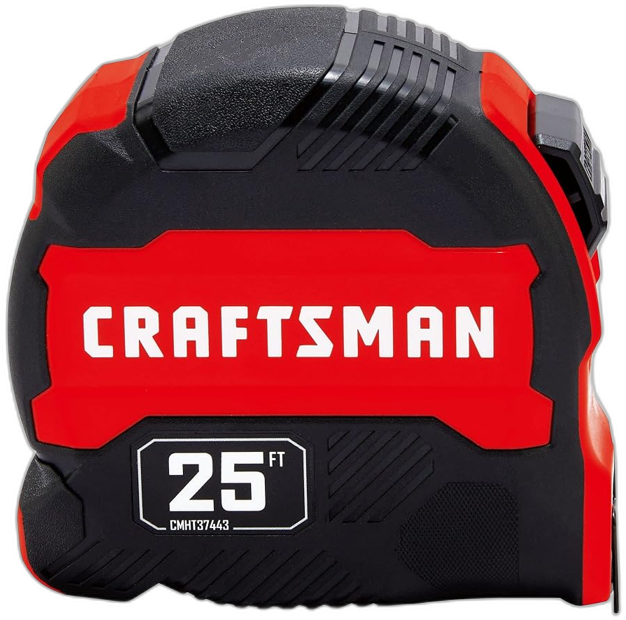
Measure with a rigid tool, not a cloth tape. Write every number down and label it, such as “window width” or “rod length.” Measure twice.
Step 1: Decide Where the Rod Will Go
Your rod placement sets every other number, so decide it first. If the rod is already up, measure it where it is. If it is not up yet, plan it now.
Rod Height
Mount the rod above the window, not on the frame. One guide says to hang it as close to the ceiling as you can, or at least 3 inches above the window, and to leave about an inch between the ceiling and the rod so you can work on it later (Amanda Katherine). Furn suggests starting at least 15 cm (about 6 inches) above the top of the window (Furn). A higher rod makes the window and the room look taller. Our rod guide covers this in detail. See how to install a curtain rod.
Rod Width
The rod should be wider than the window so the curtains can pull back off the glass. Advice varies. Here is what we found:
| Source | Past the frame, each side |
|---|---|
| Amanda Katherine | 6 to 12 inches |
| Furn | About 15 cm (6 inches) |
| This Old House | 2 to 5 inches for partial coverage, 8 to 15 inches for the most light (This Old House) |
A safe plan is 6 to 12 inches on each side. The wider you go, the more of the glass stays clear when the curtains are open. Blackout curtains also do better when the rod extends well past the frame, because there is less light leaking around the edges.
Step 2: Measure the Width
Always measure the rod, not the window. Measure the full length of the rod without the finials. If no rod is up yet, measure the window and add the overhang you chose on each side. Furn gives the same advice: measure the whole pole or track, without the decorative ends (Furn).
Add Fullness
Curtains need extra fabric so they gather into folds. If they are as wide as the rod, they hang flat and look cheap. Guides agree on about 1.5 to 2 times the rod width. Amanda Katherine says finished width should be at least 1.5 times the window, and 2 times is better.
Divide Into Panels
Divide your total width by the width of one panel. Most ready-made panels are about 48 to 50 inches wide. Round up. Panels usually come in pairs, so if the math says 3, buy two pairs or look for wider panels.
| Window width | Rod (8 in past each side) | Fabric at 1.5x | Fabric at 2x | 50-inch panels (1.5x / 2x) |
|---|---|---|---|---|
| 24 in | 40 in | 60 in | 80 in | 2 / 2 |
| 36 in | 52 in | 78 in | 104 in | 2 / 3 |
| 48 in | 64 in | 96 in | 128 in | 2 / 3 |
| 60 in | 76 in | 114 in | 152 in | 3 / 4 |
| 72 in | 88 in | 132 in | 176 in | 3 / 4 |
| 96 in | 112 in | 168 in | 224 in | 4 / 5 |
Look at the 36-inch row. The rod is 52 inches. At 2 times, you need 104 inches of fabric, which is just over two 50-inch panels, so you round up to three. In practice, two panels give a fullness of about 1.9 times, which still looks good. The table gives the safe answer, and you can decide how full you want it.
Step 3: Measure the Length (the Drop)
Length is called the drop. Measure from where the curtain will hang to where you want it to end. Where it hangs depends on your hardware:
- Grommet or eyelet curtains: measure from the top of the rod.
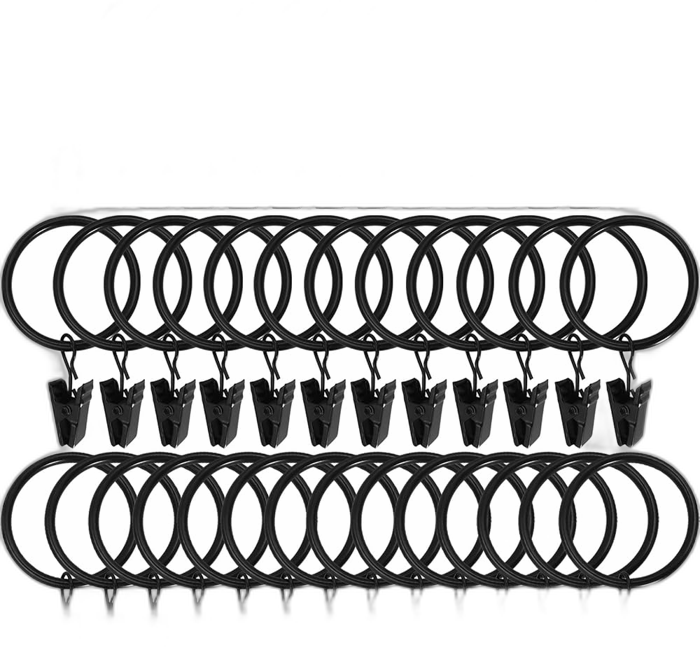
- Rings with clips or a pencil pleat heading: measure from the eye of the ring, or from the top of the track (Furn).
- Rod pocket curtains: the fabric sits on the rod, so measure from the top of the rod.
Furn also suggests taking at least three drop measurements, one in the middle and one at each end of the rod. Floors and windowsills are often not level, so the numbers can differ.
Choose a Style
| Style | Where the curtain ends | How to measure |
|---|---|---|
| Sill length | Just above the windowsill | Measure down to the sill and subtract about 1 cm (under half an inch) (Furn) |
| Apron length | A few inches below the sill | Furn suggests about 15 cm (6 inches) below the sill |
| Floor length (“kissing” the floor) | Hangs just above the floor | Measure to the floor and subtract about 3/8 inch (Amanda Katherine) or 1 cm (Furn) |
| Floating | A visible gap above the floor | Subtract the gap you want. Good for large windows and doors that open |
| Puddle | Extra fabric pools on the floor | Add 10 to 20 cm (4 to 8 inches) to floor length (Furn) |
Match a Standard Length
Ready-made panels come in set lengths. Amanda Katherine lists 63, 84, 96, 108, and 120 inches, and pairs 84 with 8-foot ceilings, 96 with 9-foot ceilings, and 108 with 10-foot ceilings. Her example: a 108-inch ceiling with the rod 2 inches down needs a 106-inch curtain.
| Rod height from the floor | Floor-length panel to buy |
|---|---|
| Up to 63 inches | 63 inches |
| 64 to 84 inches | 84 inches |
| 85 to 96 inches | 96 inches |
| 97 to 108 inches | 108 inches |
| 109 to 120 inches | 120 inches |
If the panel is a bit too long, you can hem it. Hem tape is a simple no-sew fix. If it is much too long, buy the next size down and test it.
See the common mistakes at the end of this guide for the most frequent length error. Want more on length choices? Read how long curtains should be.
Real Measuring Questions, Answered
These come straight from questions people typed into search.
“My window is 2,360 mm wide. Will 2,800 mm curtains look right?”
2,360 mm is about 93 inches. 2,800 mm is about 110 inches. If your rod is 150 mm past the frame on each side, it is about 2,660 mm long. Your curtains are then only about 1.05 times the rod width. That is flat. They will close, but they will look stretched. For a full look you want 1.5 to 2 times the rod width, which is about 3,990 to 5,320 mm in total.
“My window opening is 38 3/4 inches wide and 34 3/4 inches tall. What size curtain?”
Width: add 6 inches on each side. The rod is about 50 3/4 inches. At 1.5 to 2 times, you need about 76 to 101 inches of fabric, so two 50-inch panels work. Length: if the rod sits 3 inches above the frame, a sill-length curtain is about 37 inches (3 + 34.75, minus a little). An apron-length curtain (about 6 inches below the sill) is about 44 inches. A standard 63-inch panel will be too long, so buy a shorter size or hem it.
“My window is 57.5 inches across. How many 40-inch pleated panels do I need?”
Add 6 inches on each side. The rod is 69.5 inches. At 1.5 times that is about 104 inches, which needs 3 panels. At 2 times it is about 139 inches, which needs 4 panels (3.5 rounded up). If you want pairs, buy 4.
“My window is 2 m wide, and the wall is 4 m. How much curtain do I need if the rod runs the full 4 m?”
Measure the rod, not the window. A 4 m rod needs 6 to 8 m of fabric at 1.5 to 2 times. With 1.3 m panels, that is 5 panels at the low end and 7 at the high end. A wall-to-wall rod is a great way to make a window look bigger, but it needs a lot of fabric.
“My drop is 84 inches. Will a 72-inch curtain be okay?”
No. It would hang about 12 inches above the floor, which looks like the curtain shrank. Buy 84 inches. If you already own the 72s, you can add a band of matching fabric to the bottom, or lower the rod a little if it is not near the ceiling.
“How much will a 24-inch curtain collapse when it is open?”
There is no exact number. How far a curtain stacks back depends on the fabric, the heading, and how many folds it has. A flat panel’s width divided by the fullness tells you how much window it covers when closed. A 24-inch panel at 2 times fullness covers about 12 inches of window. That is why the rod needs to extend past the frame, so the stack sits on the wall and not on the glass.
“How much bigger than the window should the curtains be?”
The rod should be 6 to 12 inches wider than the window on each side. The fabric should be 1.5 to 2 times the rod width. The curtain should reach at least sill length, and floor length looks best in most rooms.
Measuring for Special Windows
| Window type | How to measure |
|---|---|
| Wide or picture windows | Use a longer rod, more panels, and a center support. See our guide to window treatments for large windows. |
| Sliding glass doors | Run the rod well past the door so the panels can stack off the glass. Leave room for the door to open. |
| Bay windows | Measure each section, or use a rod made for bays. Plan the rod ends so the curtains clear the window seat. |
| Arched windows | Hang the rod above the arch and measure the drop from there. |
| Small windows | Use a short drop (sill or apron length) and keep the rod only a few inches past the frame. |
| Windows over radiators or furniture | Use sill or apron length so the fabric does not touch the heat or get in the way. |
| Inside the frame (tension rod) | Measure the inside width at three heights and use the smallest number. See our rod guide. |
If you layer sheer curtains with heavier drapes, use two rods. Put the sheer on the rod closer to the glass. Measure each layer on its own.

Inches to Centimeters
If you shop in more than one country, convert with this: inches times 2.54 equals centimeters.
| Inches | Centimeters |
|---|---|
| 48 | 122 |
| 50 | 127 |
| 63 | 160 |
| 84 | 213 |
| 96 | 244 |
| 108 | 274 |
| 120 | 305 |
Your Measuring Checklist
A Full Example, Start to Finish
Here is the whole process on one window, so you can follow the math.
Notice how the numbers made a decision for you. If the standard size does not fit, change the rod height by an inch or two, or hem the panel. Both are easier than returning a curtain.
How the Heading and Fabric Change Your Numbers
The top of a curtain, called the heading, changes how much fabric you need and where the length starts.
| Heading | What it looks like | What to watch |
|---|---|---|
| Grommet or eyelet | Metal rings in the fabric. The rod slides through. | Easy to measure. Start from the top of the rod. Folds are even and deep. |
| Rod pocket | A sewn tube at the top that the rod slides through | Fabric bunches up when you pull it, so it may not slide smoothly. Start from the top of the rod. |
| Back tab | Fabric loops on the back that hide the rod | Gives a tailored look. The panel hangs a little below the rod. |
| Clip rings | Rings with clips that grip a flat panel | You can adjust the length by moving the clips. Measure from the eye of the ring (Furn). |
| Pleated or pencil pleat | Folds sewn in at the top | Needs more fabric because the pleats take up width. Always check the finished width on the label. |
The “finished width” printed on the package is the one that matters. Some panels are sold by flat fabric width, and some by finished width after the pleats are sewn. Read the listing before you do the math.
If Your Curtains Are Already Hung
Do your curtains look off? Check three things. First, measure the rod and compare it to the curtain’s finished width. If the fabric is less than 1.5 times the rod, add a panel. Second, see how far the rod extends past the frame. If it stops at the frame, move the brackets out so the curtains stack off the glass. Third, look at the hem. If it stops short of the floor by an inch or two, you can lower the rod, add clip rings with a longer drop, or sew on a matching band.
Common Mistakes to Avoid
Frequently Asked Questions
How do I measure for curtains?
Measure your rod (without the end caps), multiply by 1.5 to 2 for fullness, and divide by the panel width, usually 48 to 50 inches. Then measure the drop from the rod or ring to where you want the curtain to end.
How wide should curtains be compared to the window?
The rod should be 6 to 12 inches wider than the window on each side. The fabric should be 1.5 to 2 times the rod length so the curtains gather into folds.
How many curtain panels do I need?
Divide your total fabric width (rod length x 1.5 to 2) by the width of one panel, and round up. A 60-inch window usually needs 3 or 4 panels of 50 inches.
How high should I hang curtains above the window?
At least 3 inches above the frame, and many people go higher, as close to the ceiling as you like. Leave about an inch of room so you can work on the rod later.
How far should curtains hang from the floor?
For floor-length curtains, about 3/8 inch above the floor, or about 1 cm. For a puddle effect, add 4 to 8 inches.
Do I measure from the top of the rod or from the rings?
It depends on the heading. For grommet or eyelet curtains, measure from the top of the rod. For rings or a pencil pleat, measure from the eye of the ring or from the top of the track.
What are standard curtain lengths?
Common ready-made lengths are 63, 84, 96, 108, and 120 inches. 84 inches suits 8-foot ceilings, 96 suits 9-foot, and 108 suits 10-foot.
What if my window is not standard?
Use the same steps and then choose the nearest standard size, or hem a longer panel. For odd windows like bays or arches, see the special windows table above.
Is one panel enough for a window?
Rarely. A single panel usually leaves a gap and looks lopsided. Use at least a pair, and more for wide windows.
How do I measure for a tension rod?
Measure the inside width of the window frame in three places and use the smallest number. Choose a rod whose range covers it. Tension rods work best with light curtains.
Should curtains touch the floor?
It is a style choice. Floor-length curtains that just skim the floor look best in most rooms. Floating curtains with a gap suit doors and heaters. Pooling looks dramatic but needs more cleaning.
How do I convert curtain sizes between inches and centimeters?
Multiply inches by 2.54 for centimeters. For example, 84 inches is about 213 cm, and 63 inches is about 160 cm.
Sources and Further Reading
- Amanda Katherine: How to measure curtain sizes
- Furn: How to measure for curtains
- This Old House: How to hang a curtain rod
Sizes and conventions vary by brand and country. Check each product’s listed size before you buy. Last checked October 2026.

Olivia Bennett is the Lead Content Editor at The Dailey House. She specializes in interior styling, bedroom aesthetics, and creating spaces that feel intentional without feeling out of reach. With over a decade of experience covering home interiors, Olivia believes every room should tell you something about the person who lives in it.