

Large windows change the math on window treatments. A trick that works on a standard window — a single rod, a pair of panels — often looks skimpy or just does not function the same way across 8 or 10 feet of glass. Here is what actually works.
Why Large Windows Need a Different Approach
Standard curtain rods sag under the width of a large window, especially with heavy fabric. Standard panel widths look thin and stretched once spread across a wide space. And one blind or shade over a huge span gets heavy fast. That makes it hard to raise and lower smoothly.
The fix is not always “bigger version of the same thing.” Sometimes it is a different approach entirely.
The Best Options for Large Windows
A heavy-duty traverse rod. Built to support wide spans without sagging. Worth the extra cost if your window is 8 feet or wider.
Multiple panels, not just two. The standard “one panel each side” look gets stretched thin across a big window. Using 3 to 4 panels per side, slightly overlapping, gives the fuller, more intentional look that a wide window needs.
Motorized shades. For very wide or very tall windows, a heavy shade can become genuinely difficult to operate by hand. Motorized shades solve this cleanly and have gotten much more affordable in the last few years.
Layered treatments. Use a sheer layer for daytime privacy and light. Add a heavier or blackout panel for night. This works well on large windows because one treatment does not have to do every job at once.
Vertical blinds or panel track blinds. Still the standard pick for wide sliding doors and picture windows. Horizontal options just do not scale well across that width.
Rod and Hardware Considerations
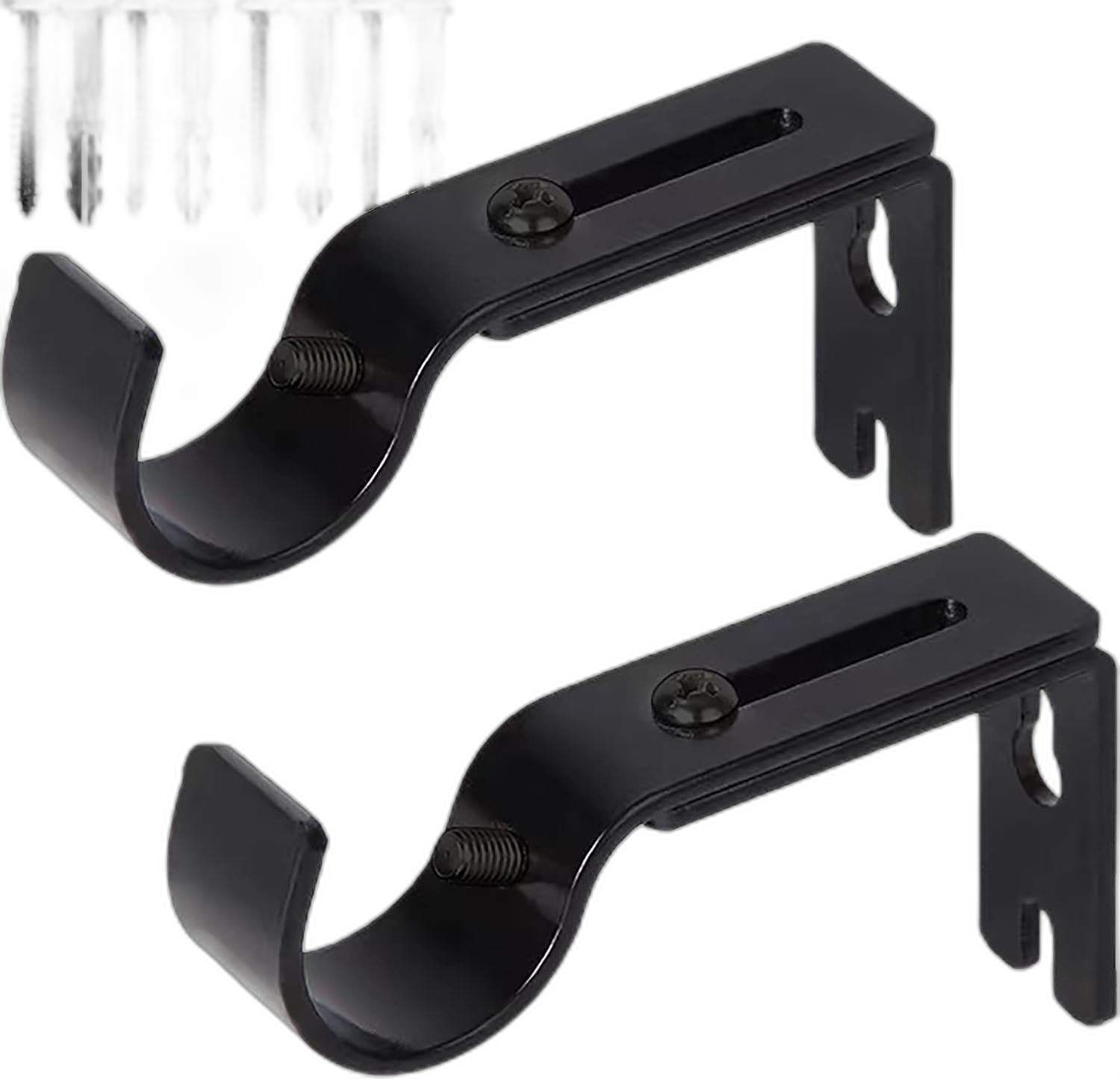
A large window puts real weight and stress on the rod itself. Look for:
- A rod rated for the specific width and weight you need, not just the longest one available
- Center support brackets for anything over about 6 feet — this is the single biggest fix for a sagging rod
- Metal over plastic hardware for anything load-bearing on a wide span
Common Mistakes to Avoid
What This Typically Costs
Frequently Asked Questions
What is the best window treatment for a large window?
It depends on the window, but layered treatments — a sheer for daytime, a heavier panel or blackout shade for night — tend to work best for large windows because they give you flexibility that a single treatment cannot.
Do I need a special curtain rod for a wide window?
Yes, for anything over about 6 to 8 feet. A standard rod will sag in the middle without a center support bracket, and a heavy-duty or traverse rod handles the extra width and weight much better.
Are motorized shades worth it for large windows?
For very large or heavy shades, yes. A manual lift becomes genuinely difficult to operate smoothly once a shade gets wide and heavy enough, and motorized options have become significantly more affordable in recent years.
How many curtain panels do I need for a large window?
More than the standard two. Three to four panels per side, slightly overlapping, gives a fuller look that matches the scale of a large window, instead of looking stretched thin.
Comparing different hardware styles? Check out our comprehensive guide to types of blinds for windows to find the right light control and privacy for each room.

Olivia Bennett is the Lead Content Editor at The Dailey House. She specializes in interior styling, bedroom aesthetics, and creating spaces that feel intentional without feeling out of reach. With over a decade of experience covering home interiors, Olivia believes every room should tell you something about the person who lives in it.