Walking desks combine movement with work, offering potential boosts in focus, energy, and physical health. This guide breaks down the pros, cons, costs, and real-world tips to help you decide if a walking desk is a smart investment for your study or work routine.
Key Takeaways
- Walking desks can improve focus and mental clarity: Light movement increases blood flow to the brain, which may enhance concentration and reduce mental fatigue during long study or work sessions.
- They support long-term health goals: Using a walking desk helps reduce sedentary behavior, lowering risks of obesity, heart disease, and type 2 diabetes.
- Not all walking desks are created equal: Look for adjustable speed, quiet motors, sturdy frames, and adequate workspace when choosing a model that fits your needs.
- Start slow to avoid discomfort: Begin with 10–15 minutes per hour at a slow pace (1–2 mph) and gradually increase duration and speed as your body adapts.
- Cost vs. benefit matters: While high-end models can cost $1,000+, budget-friendly options and DIY setups offer affordable alternatives without sacrificing core functionality.
- Ergonomics are essential: Proper desk height, monitor placement, and footwear ensure comfort and prevent strain during use.
- They’re not for everyone: People with joint issues, balance concerns, or certain medical conditions should consult a doctor before using a walking desk.
Are Walking Desks Worth It for Better Focus and Health?
If you’ve ever felt your mind wandering after hours at a traditional desk, or noticed your energy dip mid-afternoon, you’re not alone. Many students and remote workers are turning to walking desks—also known as treadmill desks—to stay active while staying productive. But are walking desks worth it? Do they really boost focus and improve health, or are they just another expensive trend?
In this guide, we’ll explore everything you need to know about walking desks: how they work, their proven benefits, potential drawbacks, how to choose the right one, and practical tips for getting started. Whether you’re a student trying to power through study sessions or a professional working from home, this guide will help you decide if a walking desk is a smart investment for your focus, health, and daily routine.
What Is a Walking Desk?
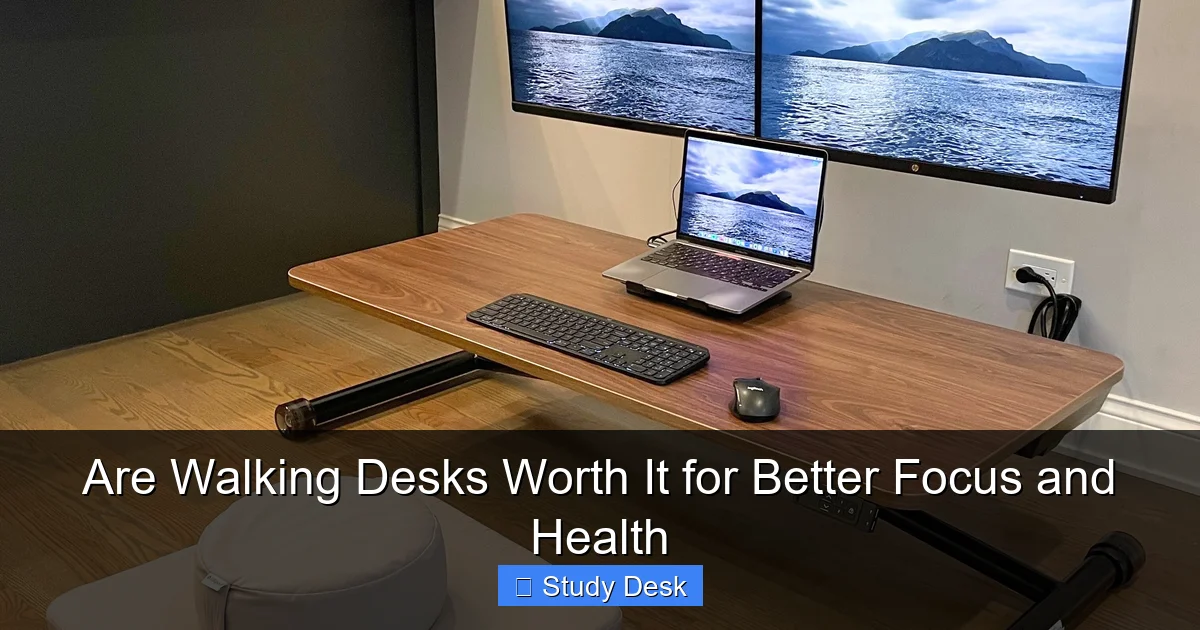
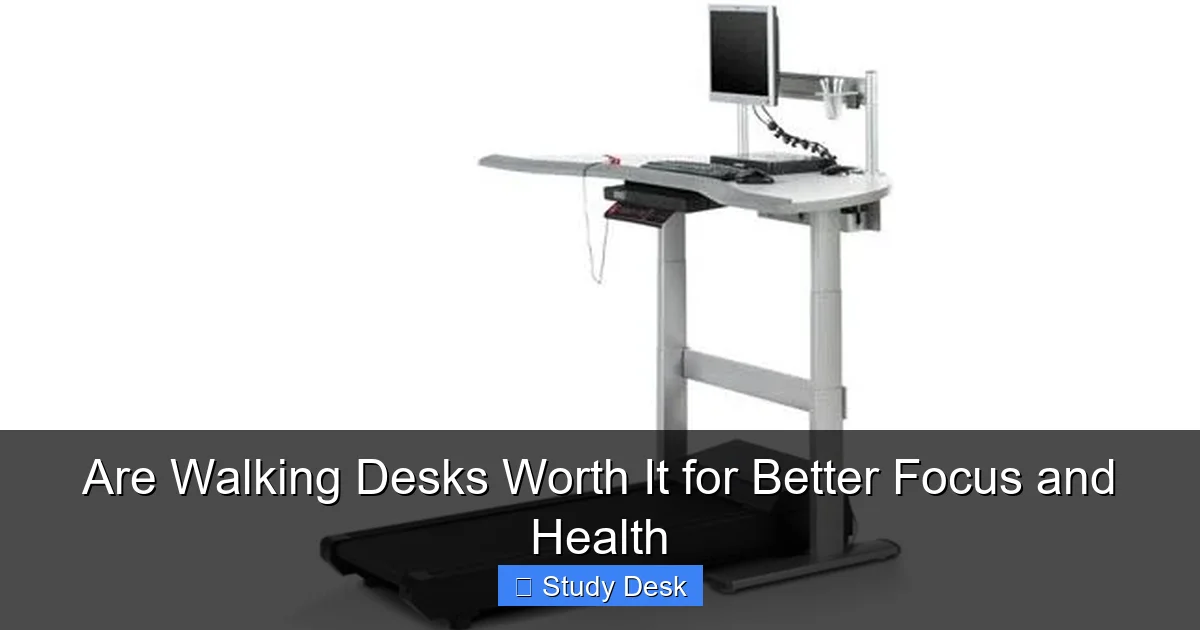
A walking desk is a workstation that combines a treadmill with a desk surface, allowing you to walk slowly while working, reading, or studying. Unlike regular treadmills, walking desks are designed for low-speed, steady movement—typically between 0.5 and 4 miles per hour. The desk portion is height-adjustable and spacious enough to hold a laptop, notebook, or monitor.
These setups come in two main types:
- Integrated walking desks: All-in-one units with a built-in treadmill and desk. These are convenient but often more expensive.
- Convertible or DIY setups: A separate treadmill paired with a standing desk or custom-built surface. These offer more flexibility and can be more budget-friendly.
Walking desks are popular in offices, home study spaces, and even classrooms. They’re especially useful for people who spend long hours seated and want to add gentle movement into their day without sacrificing productivity.
How Walking Desks Improve Focus and Mental Clarity
One of the biggest reasons people consider walking desks is the potential boost in focus and mental performance. Here’s how they help:
Increased Blood Flow to the Brain
When you walk, even at a slow pace, your heart pumps more oxygen-rich blood to your brain. This can enhance cognitive function, including attention, memory, and problem-solving skills. Studies have shown that light physical activity can improve executive function—the mental processes that help you plan, focus, and manage tasks.
Reduced Mental Fatigue
Sitting for long periods can lead to mental fog and decreased alertness. Walking keeps your body engaged, which helps maintain energy levels and prevents the sluggishness that often follows prolonged sitting. Many users report feeling more alert and mentally sharp after switching to a walking desk.
Better Mood and Reduced Stress
Physical activity triggers the release of endorphins and other mood-boosting chemicals. Even a slow walk can reduce stress and anxiety, creating a calmer, more focused mindset. This is especially helpful during high-pressure study sessions or tight work deadlines.
Enhanced Creativity
Some research suggests that walking—especially outdoors—can spark creative thinking. While indoor walking desks may not offer the same scenery, the rhythmic motion and change in posture can still stimulate new ideas and perspectives.
Health Benefits of Using a Walking Desk
Beyond mental focus, walking desks offer significant long-term health advantages. Here’s how they support your physical well-being:
Reduces Sedentary Behavior
The average person sits for 6–8 hours a day, which is linked to increased risks of obesity, cardiovascular disease, and premature death. A walking desk helps break up long periods of sitting, encouraging consistent low-level activity throughout the day.
Supports Weight Management
While you won’t burn hundreds of calories per hour, walking at 2 mph can burn around 100–150 calories per hour—more than sitting. Over time, this adds up and can contribute to maintaining a healthy weight.
Improves Posture and Reduces Back Pain
Many people experience back and neck pain from poor sitting posture. Walking encourages natural spine alignment and engages core muscles, which can reduce discomfort over time. Just be sure to maintain good form and avoid leaning on the desk.
Boosts Circulation and Heart Health
Regular light movement improves blood flow, lowers blood pressure, and supports cardiovascular health. Even small amounts of daily activity can reduce the risk of heart disease and stroke.
Helps Regulate Blood Sugar
Studies show that light walking after meals can help stabilize blood sugar levels, which is especially beneficial for people with insulin resistance or type 2 diabetes.
Are Walking Desks Worth the Cost?
This is the million-dollar question—literally. High-quality walking desks can cost anywhere from $800 to over $3,000. So, are they worth it?
Let’s break it down:
Pros of Investing in a Walking Desk
- Long-term health savings: Reducing sedentary time may lower medical costs related to chronic diseases.
- Increased productivity: Better focus and energy can lead to more efficient work or study sessions.
- Convenience: You get movement and work done in one place—no need for separate gym time.
- Customizable use: Most models allow you to adjust speed, incline, and desk height for comfort.
Cons and Considerations
- High upfront cost: Quality models are expensive, and cheaper ones may lack durability or features.
- Space requirements: Walking desks take up more room than traditional desks.
- Learning curve: It takes time to get used to typing or reading while walking.
- Not suitable for all tasks: Detailed work, video calls, or tasks requiring fine motor skills may be harder to do while walking.
Cost-Saving Alternatives
If the price tag feels steep, consider these options:
- DIY walking desk: Pair a compact, quiet treadmill with a standing desk or sturdy table. This can cut costs by 30–50%.
- Used or refurbished models: Check online marketplaces for gently used walking desks at a discount.
- Rent before you buy: Some companies offer rental programs to test the experience before committing.
How to Choose the Right Walking Desk
Not all walking desks are created equal. Here’s what to look for when shopping:
1. Speed Range and Control
Look for a treadmill that offers a wide speed range, ideally from 0.5 to 4 mph. This allows you to start slow and increase as you build endurance. Smooth speed adjustments and a responsive control panel are essential.
2. Noise Level
A quiet motor is crucial, especially in shared spaces or quiet study environments. Look for models with noise levels below 60 decibels—about the sound of a normal conversation.
3. Desk Size and Adjustability
The desk surface should be large enough for your laptop, notebook, or monitor. Height adjustability ensures proper ergonomics—your elbows should be at a 90-degree angle when typing.
4. Stability and Weight Capacity
A sturdy frame prevents wobbling during use. Check the weight limit to ensure it supports your body weight plus any equipment.
5. Safety Features
Look for emergency stop buttons, safety keys, and handrails. These are especially important if you’re new to walking while working.
6. Portability and Storage
If space is limited, consider a foldable model or one with wheels for easy movement.
Top Brands to Consider
- LifeSpan: Known for quiet motors and ergonomic designs.
- Uplift Desk: Offers customizable treadmill desk combos.
- FlexiSpot: Budget-friendly options with solid performance.
- Steelcase: Premium models with advanced features.
How to Start Using a Walking Desk: A Step-by-Step Guide
Ready to give it a try? Follow these steps to integrate a walking desk into your routine safely and effectively.
Step 1: Set Up Your Space
Choose a flat, stable surface with enough room to walk comfortably. Ensure outlets are nearby for power, and keep cords organized to avoid tripping.
Step 2: Adjust the Desk Height
Set the desk so your monitor is at eye level and your arms rest naturally at 90 degrees. This prevents neck and shoulder strain.
Step 3: Start Slow
Begin with 10–15 minutes per hour at a very slow pace (1–1.5 mph). Focus on getting used to the motion while typing or reading.
Step 4: Gradually Increase Duration and Speed
After a week, try walking for 20–30 minutes per hour. Slowly increase speed to 2–2.5 mph as your balance and coordination improve.
Step 5: Use Supportive Footwear
Wear comfortable, supportive shoes—not bare feet or socks. This improves stability and reduces foot fatigue.
Step 6: Take Breaks
Alternate between walking, standing, and sitting. Use a timer to remind yourself to switch positions every 30–60 minutes.
Step 7: Stay Hydrated
Keep a water bottle nearby. Even light walking increases fluid needs.
Practical Tips for Success
Tip 1: Use Voice-to-Text Software
If typing is tricky at first, use voice recognition tools like Google Docs Voice Typing or Dragon NaturallySpeaking to dictate notes or emails.
Tip 2: Schedule Walking Sessions
Plan walking desk time for tasks that don’t require intense focus, like reviewing documents, answering emails, or brainstorming.
Tip 3: Add a Mat
A cushioned anti-fatigue mat can reduce foot and leg discomfort, especially during longer sessions.
Tip 4: Monitor Your Progress
Use a fitness tracker or app to log your walking time, distance, and calories burned. Seeing progress can be motivating.
Tip 5: Involve Others
If you’re in a shared workspace, encourage colleagues or family members to try it. Group use can make the experience more enjoyable.
Troubleshooting Common Issues
Problem: Difficulty Typing While Walking
Solution: Start with slower speeds and practice. Use larger keyboards or voice input. Over time, your muscle memory will adapt.

Visual guide about Are Walking Desks Worth It for Better Focus and Health
Image source: glam.com
Visual guide about Are Walking Desks Worth It for Better Focus and Health
Image source: cdn.shopify.com
Visual guide about Are Walking Desks Worth It for Better Focus and Health
Image source: blog.madisonseating.com
Problem: Dizziness or Loss of Balance
Solution: Reduce speed and hold onto the handrails if available. Stop immediately if you feel unsteady. Consult a doctor if symptoms persist.
Problem: Noise Disturbance
Solution: Place the treadmill on a rubber mat to absorb sound. Choose a quieter model or use during low-noise hours.
Problem: Desk Wobbles
Solution: Ensure the floor is level and all bolts are tightened. Avoid placing heavy items on the edges of the desk.
Problem: Boredom or Lack of Motivation
Solution: Listen to podcasts, audiobooks, or calming music. Set small goals, like walking for 30 minutes straight.
Who Should Avoid Walking Desks?
While walking desks offer many benefits, they’re not suitable for everyone. Avoid using one if you have:
- Joint problems (e.g., severe arthritis or knee injuries)
- Balance or coordination issues
- Heart conditions that limit physical activity
- Recent surgery or mobility limitations
Always consult your doctor before starting any new physical activity, especially if you have underlying health concerns.
Final Verdict: Are Walking Desks Worth It?
So, are walking desks worth it? For many people, the answer is a resounding yes—especially if you struggle with focus, sit for long hours, or want to improve your overall health.
Walking desks can enhance mental clarity, reduce sedentary risks, and boost daily energy. While the upfront cost and learning curve may be barriers, the long-term benefits often outweigh the drawbacks. With the right setup, gradual introduction, and realistic expectations, a walking desk can be a game-changer for your study or work life.
If you’re on the fence, start small. Try a DIY version or rent a model to test it out. You might just find that a little movement goes a long way toward better focus, health, and happiness.