Struggling to find a dedicated study spot without a desk? You don’t need a traditional desk to create an effective, focused learning environment. This guide shows you how to build a comfortable, organized, and inspiring study space using everyday furniture, creative hacks, and smart organization—no desk required.
Key Takeaways
- Use vertical surfaces: Wall-mounted shelves, clipboards, or lap desks turn any flat surface into a functional workspace.
- Prioritize comfort and posture: Choose supportive seating and maintain proper ergonomics to avoid fatigue during long study sessions.
- Maximize natural light: Position your study area near a window to reduce eye strain and improve mood and concentration.
- Declutter and organize: Use baskets, trays, or drawer organizers to keep supplies within reach and your space tidy.
- Minimize distractions: Create boundaries with room dividers, noise-canceling headphones, or a “do not disturb” sign.
- Personalize your space: Add plants, motivational quotes, or soft lighting to make your study zone inviting and energizing.
- Be flexible and mobile: Use portable solutions like folding trays or backpack kits to study anywhere—your bed, couch, or even a park bench.
How to Create a Study Space Without a Desk for Better Focus
Let’s be real—most of us don’t have the luxury of a spacious home office or a dedicated study room. Maybe you’re a student living in a small dorm, a remote worker in a studio apartment, or a parent juggling work and kids in a shared living space. The good news? You don’t need a traditional desk to study effectively. In fact, with a little creativity and planning, you can build a study space that’s comfortable, organized, and distraction-free—without a single piece of standard office furniture.
This guide will walk you through practical, step-by-step strategies to create a functional study area using what you already have at home. Whether you’re working from your bed, couch, floor, or even a windowsill, you’ll learn how to optimize your environment for focus, productivity, and long-term success. No desk? No problem.
Step 1: Choose the Right Location
The first step in creating a study space without a desk is picking the right spot. Your location sets the tone for your entire study session, so it’s worth taking the time to get it right.

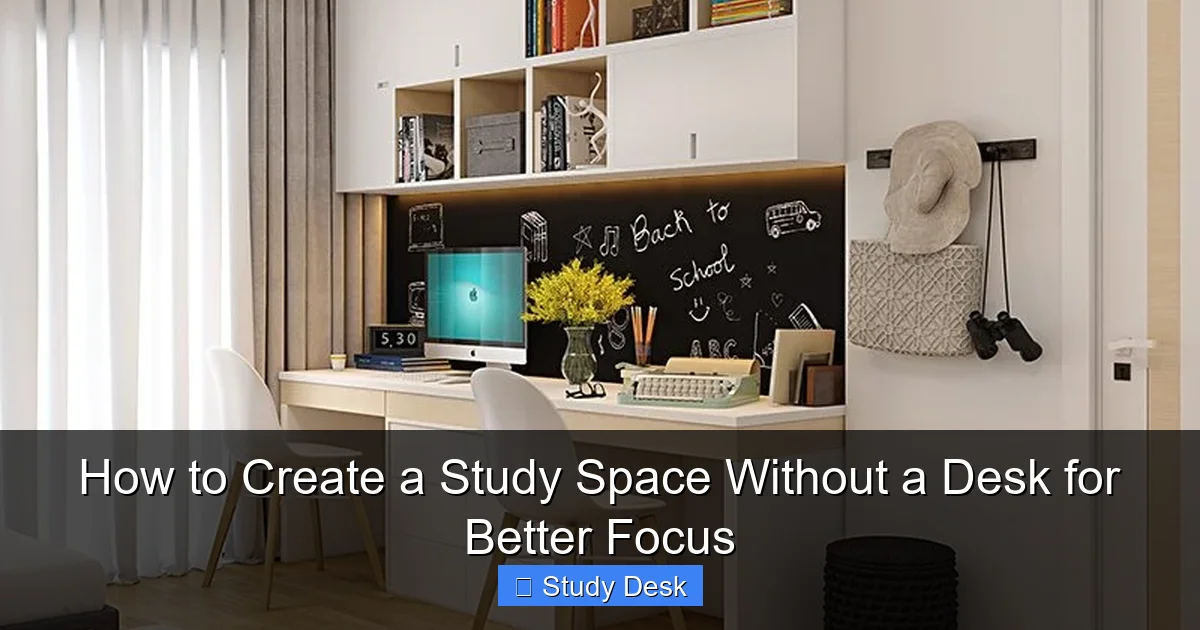
Visual guide about How to Create a Study Space Without a Desk for Better Focus
Image source: cocobolodesk.net
Look for Quiet and Consistency
Choose a place that’s relatively quiet and free from constant interruptions. This could be a corner of your bedroom, a spot by a window in the living room, or even a quiet nook in your kitchen. The key is consistency—try to study in the same spot every day. This helps train your brain to associate that space with focus and productivity.
Prioritize Natural Light
Natural light is a game-changer for focus and mood. Whenever possible, position your study area near a window. Sunlight reduces eye strain, boosts alertness, and can even improve sleep patterns. If you’re studying in the evening, pair natural light with warm, soft lighting—like a desk lamp or string lights—to avoid harsh fluorescent bulbs that can cause headaches.
Avoid High-Traffic Areas
Steer clear of places where family members or roommates frequently pass through, like hallways or the main entrance to the kitchen. These areas increase the chances of distractions and interruptions. Instead, opt for a quieter corner or a space that feels somewhat separated from the rest of the home.
Step 2: Create a Functional Surface
Since you don’t have a desk, you’ll need to get creative with your work surface. The goal is to have a stable, flat area where you can place your laptop, notebook, textbooks, and other essentials.

Visual guide about How to Create a Study Space Without a Desk for Better Focus
Image source: cocobolodesk.net
Use a Lap Desk or Tray
A lap desk is one of the simplest and most effective solutions. These portable trays come with built-in cushions for comfort and often include features like cup holders, phone slots, and even small drawers. They’re perfect for studying on your bed, couch, or even the floor. Look for one with a non-slip surface to keep your devices secure.
Repurpose Furniture
Think outside the box—literally. A sturdy coffee table, side table, or even a folding TV tray can double as a temporary desk. If you’re studying on the floor, try placing a large cutting board or a wooden platter on your lap for a flat writing surface. Just make sure it’s stable and won’t wobble when you type or write.
Try a Wall-Mounted Shelf
If you have wall space, consider installing a small floating shelf at a comfortable height. This creates a permanent “desk” without taking up floor space. Use it to hold your laptop, a notebook, or a cup of pens. Pair it with a chair or floor cushion for a sleek, minimalist setup.
Clipboards and Magnetic Boards
For lightweight tasks like reading or note-taking, a clipboard can be a surprisingly effective tool. Clip your papers to it and hold it in your lap or prop it against a pillow. For a more permanent solution, mount a magnetic or dry-erase board on the wall and use it to pin notes, schedules, or inspiration.
Step 3: Optimize Your Seating for Comfort and Posture
Comfort is crucial when studying for long periods—especially without a desk. Poor posture can lead to back pain, neck strain, and fatigue, which quickly kill focus.
Visual guide about How to Create a Study Space Without a Desk for Better Focus
Image source: media.designcafe.com
Choose Supportive Seating
If you’re studying on the couch or bed, avoid slouching. Use firm cushions or a backrest to support your spine. For floor-based setups, try a meditation cushion, a folded blanket, or a small stool. The goal is to keep your back straight and your feet flat on the floor (or supported if your legs are elevated).
Use a Chair with Armrests
If you have access to a dining chair or an armchair, use it. Chairs with armrests allow you to rest your arms while typing or writing, reducing shoulder tension. If the chair is too low, place a cushion or folded towel on the seat to raise your height.
Try a Kneeling Chair or Floor Seat
For a more ergonomic floor option, consider a kneeling chair or a Japanese-style floor seat. These encourage an upright posture and can be more comfortable than sitting cross-legged for hours. They’re also compact and easy to store when not in use.
Step 4: Organize Your Supplies
A cluttered space leads to a cluttered mind. Even without a desk, you can keep your study materials neat and accessible with smart organization.
Use Storage Bins and Baskets
Small plastic bins, fabric baskets, or even shoeboxes can hold pens, highlighters, sticky notes, and other supplies. Label them for easy identification. Keep one basket near your study spot and another for less frequently used items.
Try a Caddy or Tray
A desktop caddy or a large serving tray can act as a portable organizer. Fill it with everything you need for a study session—notebooks, chargers, snacks, and a water bottle. This way, you can carry your entire setup from room to room without losing anything.
Utilize Drawer Dividers
If you’re storing supplies in a nearby drawer, use dividers to separate items. This prevents pens from mixing with paper clips and keeps your space tidy. You can even repurpose an old cutlery organizer for small stationery items.
Go Vertical with Shelves
Install a few small shelves above your study area to hold books, notebooks, or decorative items. This keeps your main surface clear and adds a personal touch to your space. Floating shelves are affordable and easy to install, even in rental units.
Step 5: Minimize Distractions
One of the biggest challenges of studying without a desk is staying focused in a shared or multi-use space. Here’s how to create boundaries and reduce interruptions.
Set Physical Boundaries
Use a room divider, a curtain, or even a tall bookshelf to visually separate your study area from the rest of the room. This signals to others (and to yourself) that you’re in “work mode.” If you don’t have a divider, try placing a small rug or mat under your seating area to define the space.
Use Noise-Canceling Headphones
Background noise from TVs, conversations, or street traffic can derail your focus. Invest in a pair of noise-canceling headphones or use earbuds with calming music or white noise. Apps like Noisli or MyNoise offer customizable soundscapes to boost concentration.
Communicate Your Schedule
Let family members or roommates know your study hours. Post a simple “Do Not Disturb” sign on your door or use a visual cue like a red/green light system. This reduces the chances of interruptions and helps others respect your focus time.
Turn Off Digital Distractions
Even in a quiet space, your phone can be a major distraction. Put it on silent, turn off notifications, or use apps like Forest or Focus@Will to block distracting websites and apps during study sessions.
Step 6: Personalize Your Space
A study space should feel inviting and motivating—not like a punishment. Adding personal touches can boost your mood and make studying more enjoyable.
Add Plants
Plants like succulents, pothos, or snake plants are low-maintenance and can improve air quality and reduce stress. A small potted plant on your lap desk or shelf adds life to your space.
Use Inspiring Decor
Hang motivational quotes, vision boards, or photos of your goals on the wall or on a nearby shelf. Seeing reminders of why you’re studying can reignite your motivation during tough sessions.
Incorporate Soft Lighting
Harsh overhead lights can cause eye strain. Instead, use a warm-toned lamp, fairy lights, or a Himalayan salt lamp to create a calming atmosphere. Dim lighting in the evening can also signal to your brain that it’s time to wind down after studying.
Include Comfort Items
Keep a cozy blanket nearby for chilly days, or place a small cushion under your feet if you’re sitting on the floor. A favorite mug for tea or coffee can also make your space feel more personal and comforting.
Step 7: Make It Portable and Flexible
One of the biggest advantages of not having a fixed desk is mobility. You can study anywhere—your bedroom, living room, balcony, or even a local park.
Create a Study Kit
Pack a backpack or tote bag with your essentials: notebook, pens, charger, headphones, water bottle, and snacks. This “study kit” lets you move your workspace effortlessly. Add a foldable lap desk or a clipboard for extra convenience.
Use a Folding Tray Table
These lightweight, collapsible tables are perfect for temporary setups. They’re sturdy enough for a laptop and notebook, and they fold flat for easy storage. Keep one in your closet or under your bed for quick access.
Study Outdoors
On nice days, take your study session outside. A park bench, picnic table, or even a blanket on the grass can be a refreshing change of scenery. Just make sure you have sun protection and a way to keep your devices charged.
Troubleshooting Common Challenges
Even the best study setups can run into problems. Here’s how to handle common issues without a desk.
“My back hurts after studying.”
This is usually a posture issue. Try adjusting your seating—use more cushions, switch to a chair, or raise your lap desk with books. Take short breaks every 30 minutes to stretch and move around.
“I keep getting distracted by my phone.”
Put your phone in another room or use a physical lockbox. Try the “phone jail” method: place your phone in a container with a timer set for your study session. Only open it when the timer goes off.
“There’s not enough light.”
If natural light isn’t available, invest in a good LED desk lamp. Look for one with adjustable brightness and color temperature. Avoid studying in dim or flickering light, as it strains your eyes.
“I can’t find my supplies.”
Stick to a consistent organization system. Use labeled bins, a caddy, or a checklist to ensure you always have what you need. Do a quick “supply check” before each study session.
“My space feels boring.”
Rotate decor seasonally or add new elements like a scented candle, a new plant, or a colorful notebook. Small changes can make your space feel fresh and exciting.
Conclusion
Creating a study space without a desk isn’t just possible—it can be surprisingly effective. By choosing the right location, using creative surfaces, optimizing your seating, and staying organized, you can build a focused, comfortable environment that supports your learning goals. Remember, the best study space is one that works for you—not one that follows a strict template.
Don’t let a lack of furniture hold you back. With a little ingenuity and the tips in this guide, you can transform any corner of your home into a productive study zone. Whether you’re prepping for exams, working on a project, or learning a new skill, your focus and motivation matter more than the furniture you use. So grab your lap desk, find a cozy spot, and start studying—your future self will thank you.