Choosing the ideal study desk size is essential for staying focused, comfortable, and productive. This guide walks you through key measurements, layout tips, and setup strategies to create a workspace that supports your learning goals.
Key Takeaways
- Standard desk depth: A depth of 24 to 30 inches provides enough room for a laptop, notebook, and other essentials without feeling cramped.
- Optimal width: Aim for at least 48 inches in width to comfortably fit a monitor, keyboard, and writing space.
- Height matters: Standard desk height is 28 to 30 inches, but adjustable or ergonomic desks can improve posture and comfort.
- Personalize your space: Your ideal desk size depends on your body, tasks, and available room—customize accordingly.
- Cable management: A well-organized desk with built-in cable routing reduces clutter and distractions.
- Lighting and posture: Pair your desk with proper lighting and an ergonomic chair to boost focus and reduce fatigue.
- Small space solutions: Even in tight areas, wall-mounted or corner desks can offer functional and comfortable study zones.
Introduction: Why the Right Study Desk Size Matters
Whether you’re a student, remote worker, or lifelong learner, your study desk is more than just a piece of furniture—it’s the foundation of your productivity. The ideal study desk size directly impacts your focus, comfort, and efficiency. A desk that’s too small can feel cramped and limit your ability to organize materials. One that’s too large may waste space or encourage clutter. Getting the dimensions right ensures you have enough room to work, study, and stay organized without feeling overwhelmed.
In this guide, you’ll learn how to determine the perfect study desk size based on your needs, space, and habits. We’ll cover standard measurements, ergonomic considerations, layout tips, and smart solutions for small spaces. By the end, you’ll know exactly how to choose or build a desk that supports your goals and enhances your daily routine.
Step 1: Understand Standard Study Desk Dimensions
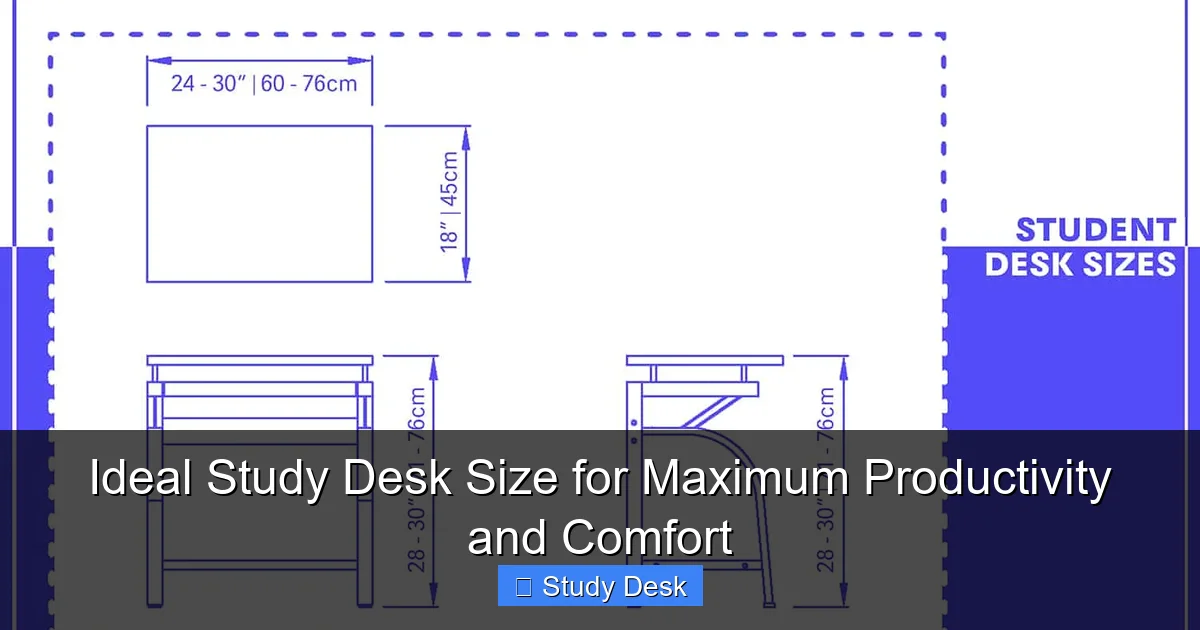
Before shopping or building, it’s important to know the typical dimensions of a study desk. These standards serve as a helpful starting point, though you’ll want to adjust based on your personal needs.
Visual guide about Ideal Study Desk Size for Maximum Productivity and Comfort
Image source: homenish.com
Desk Depth: How Much Front-to-Back Space Do You Need?
The depth of a desk refers to the distance from the front edge to the back. For most people, a depth of 24 to 30 inches is ideal. Here’s why:
- 24 inches: Great for small spaces or if you primarily use a laptop. It allows room for the device, a notebook, and a cup of coffee.
- 27 to 30 inches: Best for desktop setups with monitors, keyboards, and writing space. This depth gives your eyes a comfortable viewing distance from the screen (about 20–30 inches).
If your desk is too shallow (under 24 inches), you may struggle to fit essentials. If it’s too deep (over 30 inches), you might have to reach too far, causing strain.
Desk Width: Finding the Right Length
Width is the longest dimension of the desk—left to right. For productive studying, aim for at least 48 inches (4 feet). Here’s a breakdown:
- 48 inches: Suitable for one person with a laptop, notebook, and small supplies.
- 60 inches (5 feet): Ideal for dual monitors, textbooks, and extra workspace.
- 72 inches (6 feet) or more: Best for shared desks, creative projects, or extensive setups.
Remember: wider desks offer more surface area but require more floor space. Measure your room before deciding.
Desk Height: Comfort and Posture
Standard desk height ranges from 28 to 30 inches from the floor. This works well with most office chairs. However, height should match your body:
- If you’re taller than average, consider a height-adjustable desk or one that’s 30–32 inches high.
- If you’re shorter, a desk at 26–28 inches may be more comfortable.
Your elbows should rest at a 90-degree angle when typing. If your arms are too high or low, it can lead to shoulder and wrist strain over time.
Step 2: Assess Your Study Needs and Habits
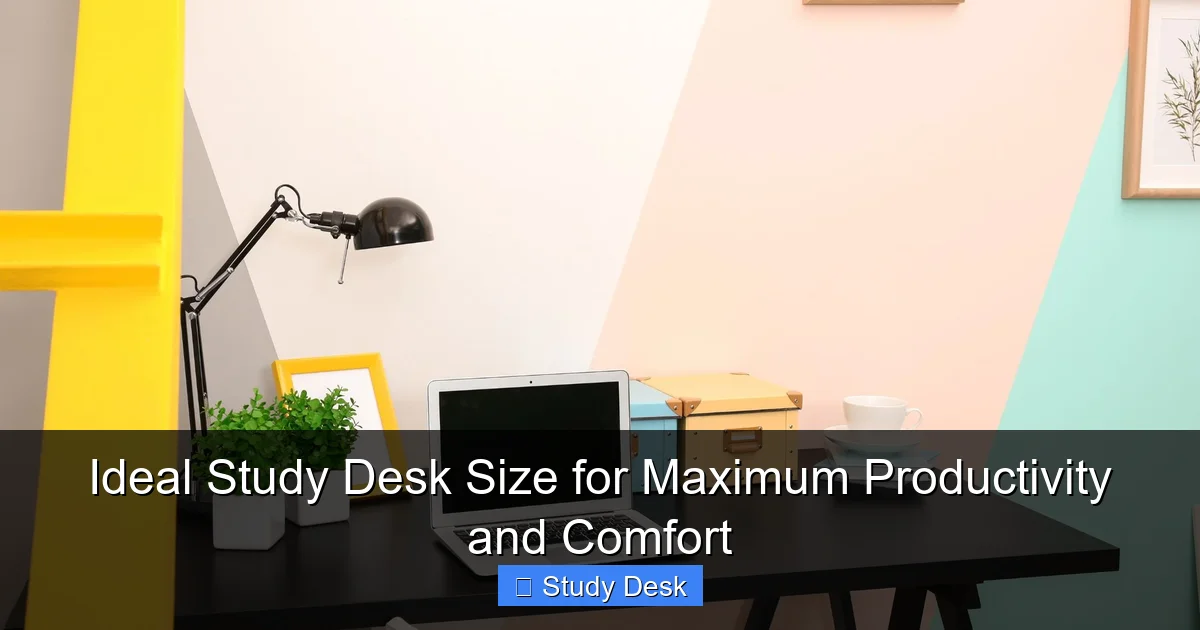
Not all study desks are created equal—your ideal size depends on how you use the space. Ask yourself these questions:
Visual guide about Ideal Study Desk Size for Maximum Productivity and Comfort
Image source: everydaysplendour.com
What Will You Be Studying?
Different subjects require different setups:
- Reading and writing: A 48-inch wide desk with 24–27 inches depth is usually enough.
- Computer-based work: If you use a desktop with a monitor, keyboard, and mouse, go for 60 inches wide and 30 inches deep.
- Art or design: You may need a larger surface (72 inches or more) for sketching, drafting, or using tools.
How Many Devices Do You Use?
Count your tech:
- Laptop only? A 48-inch desk works.
- Laptop + external monitor? Aim for 60 inches.
- Multiple monitors, printer, or tablet? Consider 72 inches or a U-shaped setup.
Each device needs space, plus room for cords and accessories.
Do You Need Storage?
If you store books, notebooks, or supplies on your desk, you’ll need extra surface area. A wider or deeper desk helps, or consider adding shelves or drawers.
Step 3: Measure Your Available Space
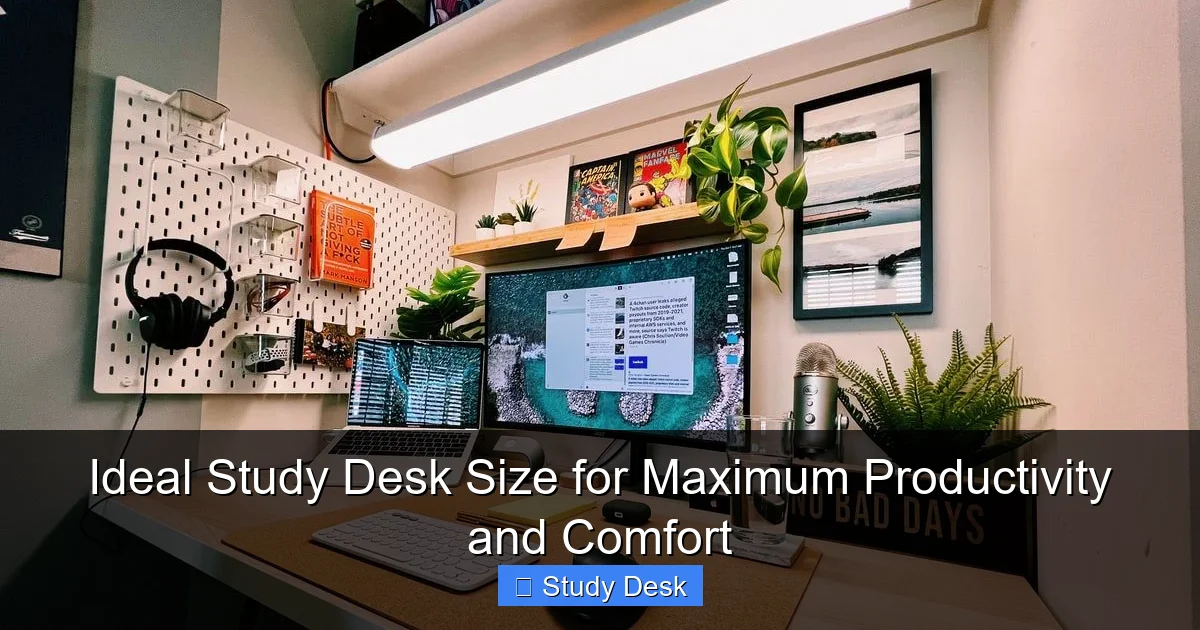
Even the perfect desk won’t work if it doesn’t fit your room. Follow these steps to measure wisely:
Visual guide about Ideal Study Desk Size for Maximum Productivity and Comfort
Image source: careerkarma.com
Step 1: Measure the Room
Use a tape measure to find the length and width of the area where the desk will go. Include space for walking—leave at least 24 to 30 inches behind the desk for chair movement.
Step 2: Account for Doors and Windows
Make sure the desk doesn’t block doors, windows, or vents. Also, consider natural light—position the desk near a window if possible, but avoid glare on screens.
Step 3: Test with Painter’s Tape
Use painter’s tape to outline the desk’s dimensions on the floor. Walk around it to see how it feels. This simple trick helps you visualize the space before buying.
Step 4: Consider Traffic Flow
Your desk shouldn’t disrupt movement in the room. If it’s in a shared space, ensure others can pass comfortably.
Step 4: Choose the Right Desk Shape and Style
Desk shape affects both function and space use. Here are common options:
Straight (Rectangular) Desk
The most common type. Great for small to medium rooms. Choose based on your width and depth needs.
L-Shaped Desk
Perfect for corner spaces. Offers more surface area and separates work zones (e.g., one side for computer, one for writing). Ideal for 60+ inch setups.
U-Shaped Desk
Best for large rooms or heavy multitaskers. Provides maximum workspace and storage. Requires at least 72 inches in width and depth.
Wall-Mounted or Floating Desk
Saves floor space. Ideal for small rooms. Depth should still be 24–30 inches, but width can be customized.
Adjustable Height Desk
Allows you to switch between sitting and standing. Great for long study sessions. Look for models with smooth lifting mechanisms.
Step 5: Optimize Ergonomics for Comfort and Health
A well-sized desk is only part of the equation—your posture and setup matter too.
Chair and Desk Alignment
Your chair height should let your feet rest flat on the floor, with knees at 90 degrees. Your desk height should allow your forearms to be parallel to the floor when typing.
Monitor Position
The top of your screen should be at or slightly below eye level. If using a laptop, consider a stand to raise it.
Keyboard and Mouse Placement
Keep them close together, at elbow height. Your wrists should stay straight, not bent up or down.
Lighting
Use a desk lamp with adjustable brightness to reduce eye strain. Natural light is best, but avoid direct glare.
Step 6: Organize for Maximum Productivity
A cluttered desk kills focus. Use these tips to keep your space tidy:
Use Desk Organizers
Trays, pen holders, and file sorters help keep supplies in place.
Cable Management
Use clips, sleeves, or under-desk trays to bundle cords. A clean setup reduces distractions and makes cleaning easier.
Keep Only Essentials on the Surface
Store rarely used items in drawers or shelves. Keep only what you need daily within reach.
Personalize Wisely
A plant, photo, or motivational quote can boost mood—but don’t overcrowd the desk.
Step 7: Solutions for Small Spaces
Living in a dorm, apartment, or tiny home? You can still have an effective study desk.
Wall-Mounted Desks
Fold down when needed, save space when not in use. Ideal for rooms under 100 sq ft.
Corner Desks
Use unused corner space efficiently. L-shaped or triangular designs work well.
Desk with Storage
Choose models with built-in shelves or drawers to maximize vertical space.
Convertible Furniture
Some desks double as bookshelves or fold into beds. Great for multi-functional rooms.
Troubleshooting Common Desk Size Problems
Even with planning, issues can arise. Here’s how to fix them:
Problem: Desk Feels Too Small
Solution: Reorganize. Use vertical space with shelves. Switch to a compact keyboard or laptop stand to free up room.
Problem: Desk Is Too Large for the Room
Solution: Consider a smaller model or reposition furniture. Use rugs or lighting to define the workspace without crowding.
Problem: Poor Posture or Back Pain
Solution: Adjust chair height. Add a footrest if needed. Try a standing desk converter.
Problem: Cables Are a Mess
Solution: Use adhesive cable clips or a cable management box. Label cords for easy identification.
Problem: Glare on Screen
Solution: Reposition the desk away from direct light. Use curtains or an anti-glare screen protector.
Conclusion: Build Your Ideal Study Space
Finding the ideal study desk size isn’t about following rigid rules—it’s about matching your workspace to your life. Start with standard dimensions, then customize based on your habits, space, and comfort needs. A well-sized desk, paired with good lighting, ergonomics, and organization, creates a foundation for focus and success.
Remember: the best desk is one that helps you work smarter, not harder. Whether you’re studying for exams, working remotely, or pursuing a passion, your desk should support your goals—not hinder them. Take the time to measure, plan, and personalize. Your future self will thank you.