Understanding the standard height of a study desk is essential for maintaining good posture, reducing strain, and boosting focus. This guide explains ideal desk dimensions, how to measure correctly, and tips for customizing your setup for maximum comfort and efficiency.
Key Takeaways
- Standard study desk height is 28–30 inches (71–76 cm): This range suits most adults and aligns with ergonomic guidelines for seated work.
- Proper height prevents back and neck pain: A desk that’s too high or low forces awkward postures, leading to long-term discomfort.
- Adjustable desks offer the best flexibility: They allow users to switch between sitting and standing, promoting movement and better circulation.
- Chair height matters just as much: Your feet should rest flat on the floor, with knees at a 90-degree angle when seated.
- Children need smaller desks: Standard adult desk heights are too tall for kids; look for desks between 22–26 inches (56–66 cm).
- Measure before you buy: Use simple tools to check your ideal desk height based on your body proportions.
- Small tweaks make a big difference: Use footrests, monitor risers, or keyboard trays to fine-tune your setup.
What Is the Standard Height of a Study Desk and Why It Matters
If you’ve ever sat at a desk and felt your shoulders hunch, your neck strain, or your back ache after just 30 minutes, the problem might not be your chair—it could be your desk height. Whether you’re a student, remote worker, or hobbyist, spending hours at a study desk means comfort and posture are non-negotiable. That’s why understanding the standard height of a study desk isn’t just a design detail—it’s a health essential.
In this guide, you’ll learn exactly what the standard desk height is, how it’s determined, and why getting it right can transform your focus, energy, and long-term well-being. We’ll walk you through measuring your ideal height, choosing the right desk, and making smart adjustments for maximum comfort. By the end, you’ll know how to create a workspace that supports your body—not fights against it.
What Is the Standard Height of a Study Desk?
Visual guide about What is the standard height of a study desk and why it matters
Image source: ozstudydesks.com.au
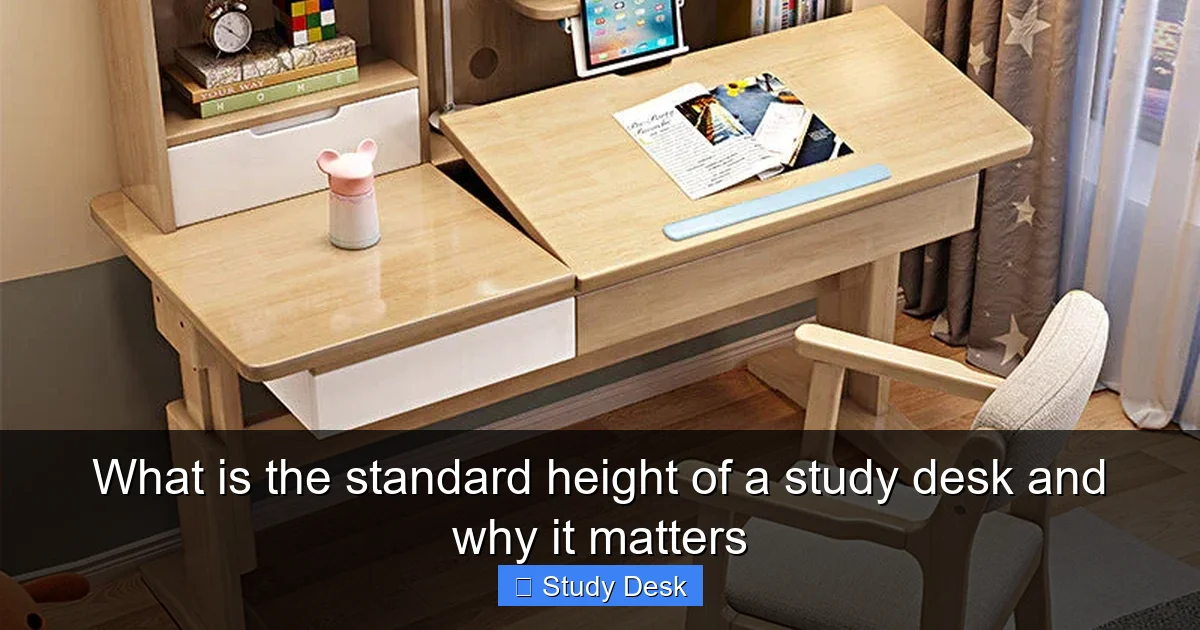
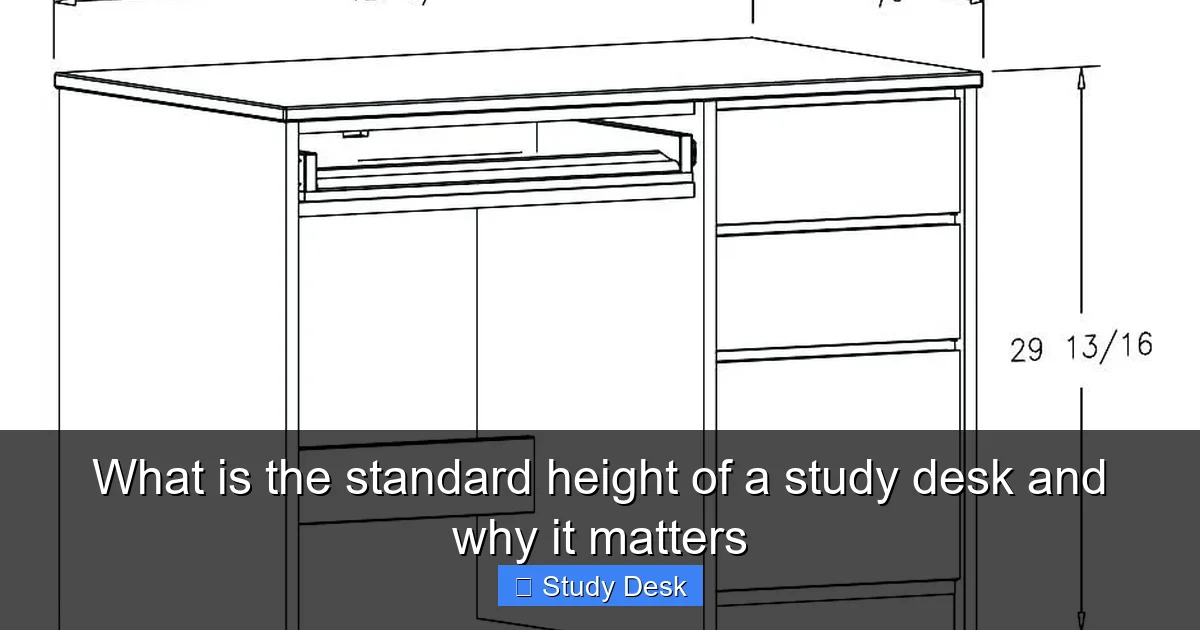
The standard height of a study desk for most adults ranges from 28 to 30 inches (71 to 76 centimeters). This measurement is taken from the floor to the top surface of the desk. It’s designed to work with standard office chairs, which typically have a seat height of 16 to 21 inches (40 to 53 cm), allowing your elbows to rest comfortably at a 90-degree angle when typing or writing.
This range isn’t arbitrary. It’s based on decades of ergonomic research and average human body proportions. For example, the American National Standards Institute (ANSI) and the Occupational Safety and Health Administration (OSHA) both recommend desk heights that allow users to sit with their forearms parallel to the floor and wrists in a neutral position.
But here’s the catch: “standard” doesn’t mean “one-size-fits-all.” While 28–30 inches works for many people, your ideal height depends on your height, chair, and how you use your desk. Someone who is 5’2″ will have different needs than someone who is 6’2″. That’s why understanding how to personalize your setup is just as important as knowing the standard.
Why the Standard Range Exists
The 28–30 inch range was established to accommodate the average adult population. Studies show that most people fall within a height range where this desk height, paired with an adjustable chair, allows for proper arm and wrist alignment. When your elbows are at 90 degrees and your shoulders relaxed, you reduce strain on your neck, back, and wrists—key factors in preventing repetitive stress injuries like carpal tunnel syndrome.
Additionally, this height supports good posture. When your desk is too low, you tend to slouch or hunch forward. When it’s too high, you raise your shoulders or lean back awkwardly. Both scenarios lead to fatigue and discomfort over time.
Why Desk Height Matters for Your Health and Productivity

Visual guide about What is the standard height of a study desk and why it matters
Image source: ueeshop.ly200-cdn.com
You might think a few inches won’t make a difference, but even small misalignments can have big consequences. Here’s why getting your desk height right matters more than you might realize.
Prevents Musculoskeletal Pain
Poor desk height is a leading cause of back, neck, and shoulder pain. When your desk is too high, you constantly reach upward, straining your shoulders and upper back. If it’s too low, you bend forward, compressing your spine and straining your neck. Over time, this can lead to chronic pain, stiffness, and even conditions like herniated discs or tension headaches.
Ergonomics experts agree that maintaining a neutral spine—where your ears, shoulders, and hips are aligned—is crucial for long-term comfort. The right desk height helps you achieve this alignment when combined with a supportive chair.
Improves Focus and Energy Levels
Discomfort is a major distraction. If you’re constantly shifting in your seat or rubbing your neck, it’s hard to concentrate. A properly sized desk lets you work longer without fatigue, boosting productivity and mental clarity. Studies show that ergonomic workspaces can increase focus by up to 20% and reduce absenteeism due to pain.
Supports Healthy Circulation
Sitting for long periods already increases the risk of poor circulation. A desk that forces you into an awkward posture—like leaning forward or craning your neck—can restrict blood flow even more. This may lead to numbness, tingling, or swelling in the legs and hands. The right height keeps your body in a natural, open position, promoting better blood flow.
Reduces Risk of Repetitive Strain Injuries (RSI)
Repetitive strain injuries are common among people who spend hours typing, writing, or using a mouse. These injuries develop gradually and can be debilitating. One of the biggest risk factors is improper wrist and arm positioning. A desk at the correct height ensures your wrists stay straight and your arms move freely, reducing strain on tendons and nerves.
How to Determine Your Ideal Study Desk Height
Visual guide about What is the standard height of a study desk and why it matters
Image source: i.pinimg.com
Now that you know why height matters, let’s figure out what’s right for you. Follow these simple steps to calculate your personal ideal desk height.
Step 1: Measure Your Elbow Height
The most accurate way to find your ideal desk height is to measure from the floor to your elbow while sitting in your usual chair.
- Sit in your chair with your feet flat on the floor.
- Keep your back straight and shoulders relaxed.
- Bend your elbows to 90 degrees, with your forearms parallel to the floor.
- Use a tape measure to measure from the floor to the bottom of your elbow.
This measurement is your ideal desk height. For most people, it will fall between 25 and 30 inches (63–76 cm). If it’s below 28 inches, you may need a lower desk or a taller chair. If it’s above 30 inches, consider a standing desk or an adjustable model.
Step 2: Check Your Chair Height
Your chair plays a big role in desk height. Even the perfect desk won’t help if your chair is too high or too low.
- Sit in your chair with your feet flat on the floor.
- Your knees should be at a 90-degree angle, with thighs parallel to the floor.
- If your feet don’t reach the floor, use a footrest.
- If your knees are higher than your hips, lower the chair or use a cushion.
A good rule of thumb: your elbows should be about 1–2 inches above the desk surface when your arms are relaxed at your sides. This ensures your shoulders stay down and your arms can move freely.
Step 3: Test Your Current Setup
Try this quick test to see if your current desk is the right height:
- Sit at your desk and place your hands on the keyboard or writing surface.
- Check your wrist position: they should be straight, not bent up, down, or to the side.
- Look at your shoulders: they should be relaxed, not raised or hunched.
- Notice your neck: you shouldn’t have to tilt your head up or down to see your screen.
If any of these feel off, your desk height may need adjustment.
Choosing the Right Study Desk for Your Needs
Once you know your ideal height, it’s time to shop smart. Here’s how to pick a desk that fits your body and lifestyle.
Fixed-Height Desks
Most traditional study desks are fixed at around 29 inches (74 cm). These are affordable and widely available, but they don’t adapt to different users or tasks.
- Best for: People who are average height (5’5″ to 5’10”) and don’t share their workspace.
- Tip: If you’re shorter or taller, look for desks labeled “low” or “tall” profile.
Adjustable-Height Desks
Also known as sit-stand desks, these allow you to raise or lower the surface with the push of a button or crank. They’re ideal for people who want flexibility or share a desk with others.
- Height range: Typically 22 to 48 inches (56–122 cm), covering both seated and standing positions.
- Benefits: Promotes movement, reduces sedentary time, and accommodates multiple users.
- Tip: Look for desks with memory presets so you can save your favorite heights.
Children’s Study Desks
Kids need smaller desks. The standard height for children’s desks is between 22 and 26 inches (56–66 cm), depending on age and height.
- Ages 3–5: 20–22 inches (51–56 cm)
- Ages 6–8: 22–24 inches (56–61 cm)
- Ages 9–12: 24–26 inches (61–66 cm)
Many children’s desks are adjustable, which is great as kids grow quickly. Always check the weight limit and stability—kids can be rough on furniture!
DIY and Custom Desks
If you’re handy, consider building your own desk. This lets you set the exact height and customize the size, shape, and storage. Use sturdy materials like plywood or solid wood, and ensure the legs are level and secure.
- Tip: Add a keyboard tray or monitor stand to fine-tune your ergonomics.
How to Adjust Your Current Desk for Better Ergonomics
Don’t have a new desk? No problem. You can make smart tweaks to improve your current setup.
Use a Footrest
If your desk is too high and your feet don’t reach the floor, a footrest can help. It keeps your knees at 90 degrees and reduces pressure on your lower back.
- Look for: Adjustable, non-slip footrests with a slight tilt.
- DIY option: Stack sturdy books or use a small stool.
Add a Monitor Riser
If your screen is too low, you’ll crane your neck. A monitor riser lifts your screen to eye level, reducing neck strain.
- Ideal height: Top of the screen at or slightly below eye level.
- Tip: Use a stack of books or a dedicated riser with storage underneath.
Install a Keyboard Tray
A keyboard tray slides under the desk and lets you position your keyboard and mouse at the perfect height and distance.
- Benefits: Keeps wrists straight, reduces shoulder strain, and frees up desk space.
- Tip: Choose a tray with negative tilt (slightly downward) for better wrist alignment.
Use a Seat Cushion
If your chair is too low, a cushion can raise your seating position, bringing your elbows closer to desk level.
- Look for: Memory foam or gel cushions with a non-slip base.
- Caution: Don’t use too thick a cushion—it can tilt your pelvis and cause back pain.
Troubleshooting Common Desk Height Problems
Even with the best setup, issues can arise. Here’s how to fix the most common problems.
Problem: Desk Is Too High
- Symptoms: Shoulders raised, arms reaching up, neck tilted down.
- Solutions: Lower your chair, use a footrest, or add a keyboard tray.
Problem: Desk Is Too Low
- Symptoms: Slouching, hunching forward, wrists bent downward.
- Solutions: Raise your chair, use a seat cushion, or place sturdy blocks under the desk legs.
Problem: Screen Is Too Low or Too High
- Symptoms: Neck pain, eye strain, frequent headaches.
- Solutions: Use a monitor riser or stack books under the screen. For laptops, consider a laptop stand and external keyboard.
Problem: Wrist Pain While Typing
- Symptoms: Tingling, numbness, or burning in hands and wrists.
- Solutions: Adjust keyboard height, use a wrist rest, and take frequent breaks to stretch.
Tips for Maintaining Good Posture at Your Study Desk
Even with the perfect desk height, posture matters. Follow these tips to stay comfortable all day.
- Sit back in your chair: Use lumbar support to keep your spine curved naturally.
- Keep feet flat: Avoid crossing legs or tucking feet under the chair.
- Take breaks: Stand, stretch, or walk every 30–60 minutes.
- Position your mouse close: Keep it within easy reach to avoid overextending your arm.
- Lighting matters: Ensure your workspace is well-lit to reduce eye strain.
Conclusion
The standard height of a study desk—28 to 30 inches—is a great starting point, but your ideal height depends on your body, chair, and habits. Getting it right isn’t just about comfort; it’s about protecting your health, boosting productivity, and creating a workspace that supports you.
By measuring your elbow height, choosing the right desk, and making smart adjustments, you can build a setup that feels natural and energizing. Whether you’re studying for exams, working from home, or pursuing a hobby, your desk should be a tool that helps—not hinders—your success.
Remember, small changes can make a big difference. Start with one tweak today—adjust your chair, add a footrest, or raise your monitor—and notice how much better you feel. Your body will thank you.