

Cutting your own Christmas tree sounds simple. Drive to a farm, pick a tree, cut it down. But a few things trip up first-timers every year — the wrong tools, a tree that is too big for the car, or a tree that drops needles by mid-December because nobody watered it right.
Here is what to know before you go, what to bring, and how to keep your tree fresh once it is home.
Before You Go: Planning the Trip
Most “choose and cut” farms charge per tree. Some charge more for taller trees. Call ahead or check the farm’s website — many post pricing and hours for the season.
Cutting on public land instead of a farm? You need a permit. National forests sell them for a small fee through the U.S. Forest Service. Cutting without one is not allowed. Farms are different — the fee you pay at checkout covers everything.
Measure your space before you go. A tree that looks perfect in an open field can turn out two feet too tall once you get it home.
What to Bring
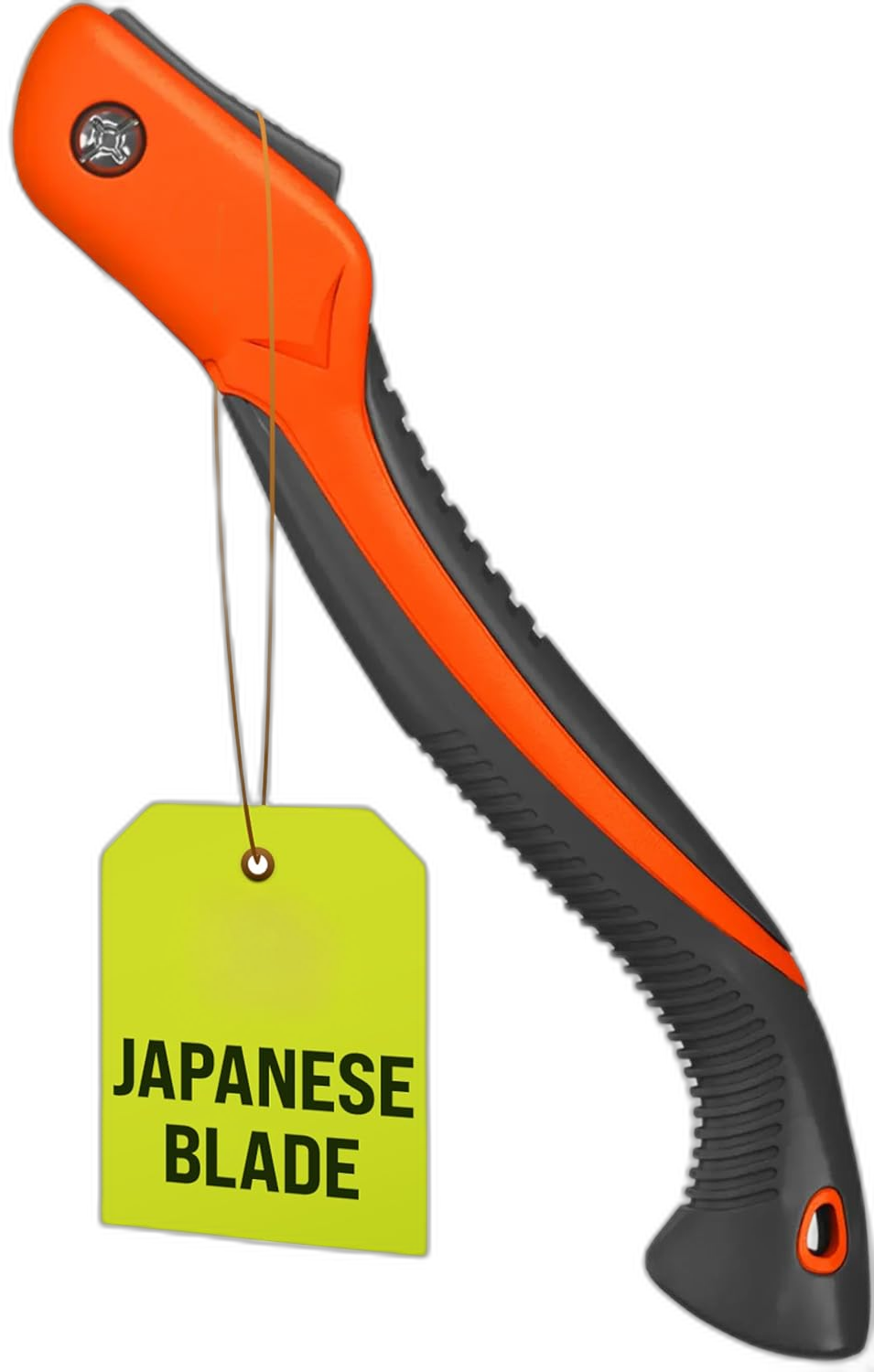
- A pruning saw (most farms provide one to borrow, but your own is sharper and faster)
- Work gloves — sap is sticky and branches are scratchier than they look
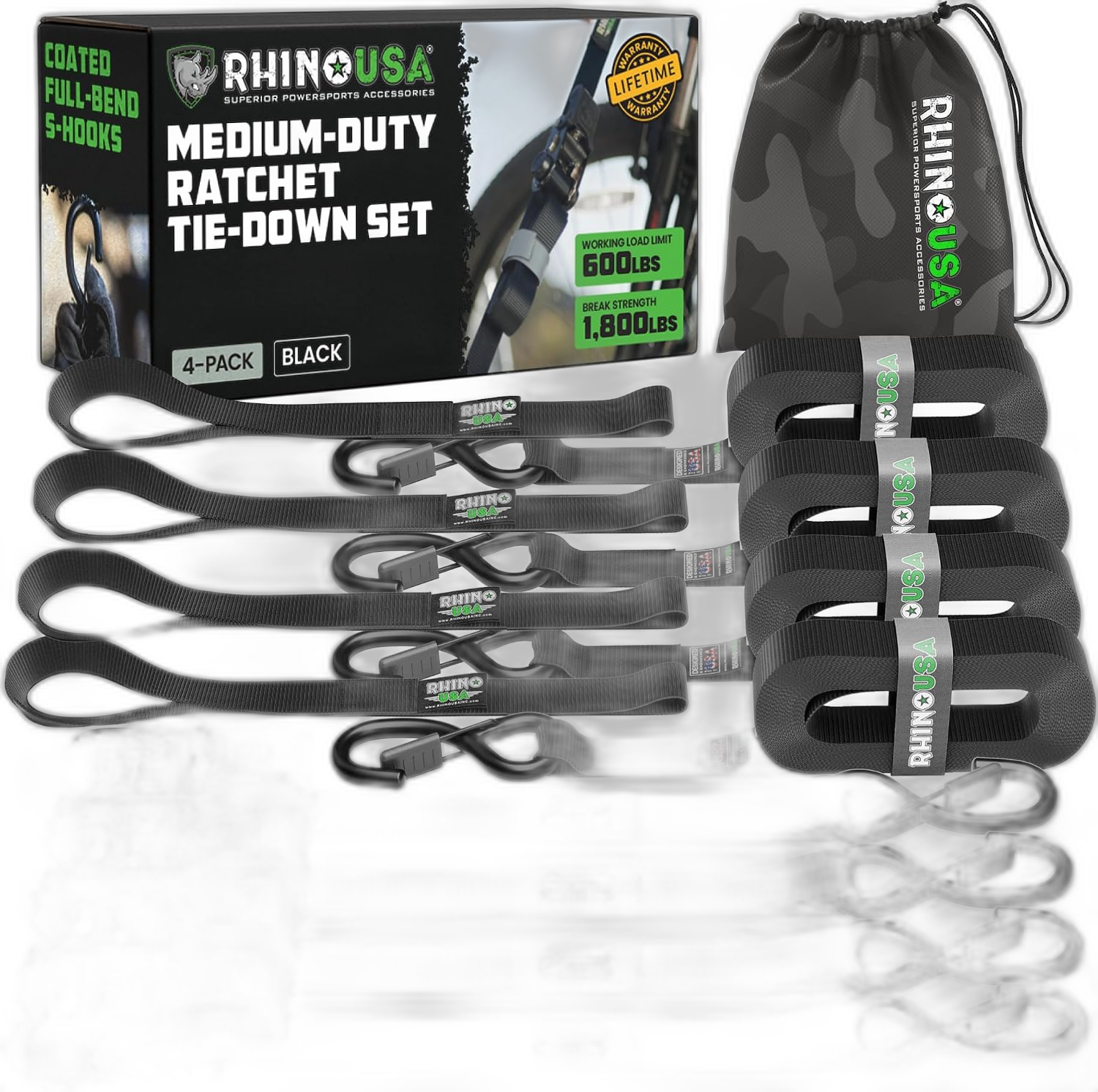
- Rope or ratchet straps to secure the tree to your car
- An old blanket or tarp to protect your car’s roof or trunk
- Cash or a card for the farm fee
How to Pick a Fresh Tree
A fresh tree holds its needles for weeks. A tired one drops them within days. Check for these before you cut:
- Green, flexible needles — bend a branch gently; fresh needles will not snap off
- A strong pine scent — a weak or faint smell can mean the tree has been cut and sitting longer than it should
- Sticky sap on the trunk — a sign the tree was recently tagged and is still actively producing sap
- Branches that can hold your ornaments — heavier ornaments need sturdier branches, so consider what you are decorating with before you commit
How to Cut It Properly
Kneel low. If the tree is on a slope, cut from the uphill side so it falls away from you. Make one clean, flat cut as low as the trunk allows. A flat cut helps the tree drink water later. A jagged or angled cut can seal shut fast and stop water uptake almost right away.
Avoid cutting the same spot twice. Extra cuts can tear the bark. Torn bark slows water absorption once the tree is in the stand.
Getting It Home Safely
Lay the tree with the trunk facing forward, toward the front of the vehicle, not backward. Secure it with rope or straps across the trunk. Loop them through an open window or door if you can. Bungee cords alone are not strong enough for highway speeds. Drive slower than usual; wind resistance on a tied-down tree is a lot more than you would expect.
Setting It Up and Keeping It Fresh
Cut about an inch off the base again once you get home. Yes, even though you already cut it at the farm. Sap can seal over a fresh cut within a few hours and block water absorption. A second cut right before the tree goes in the stand reopens that path.
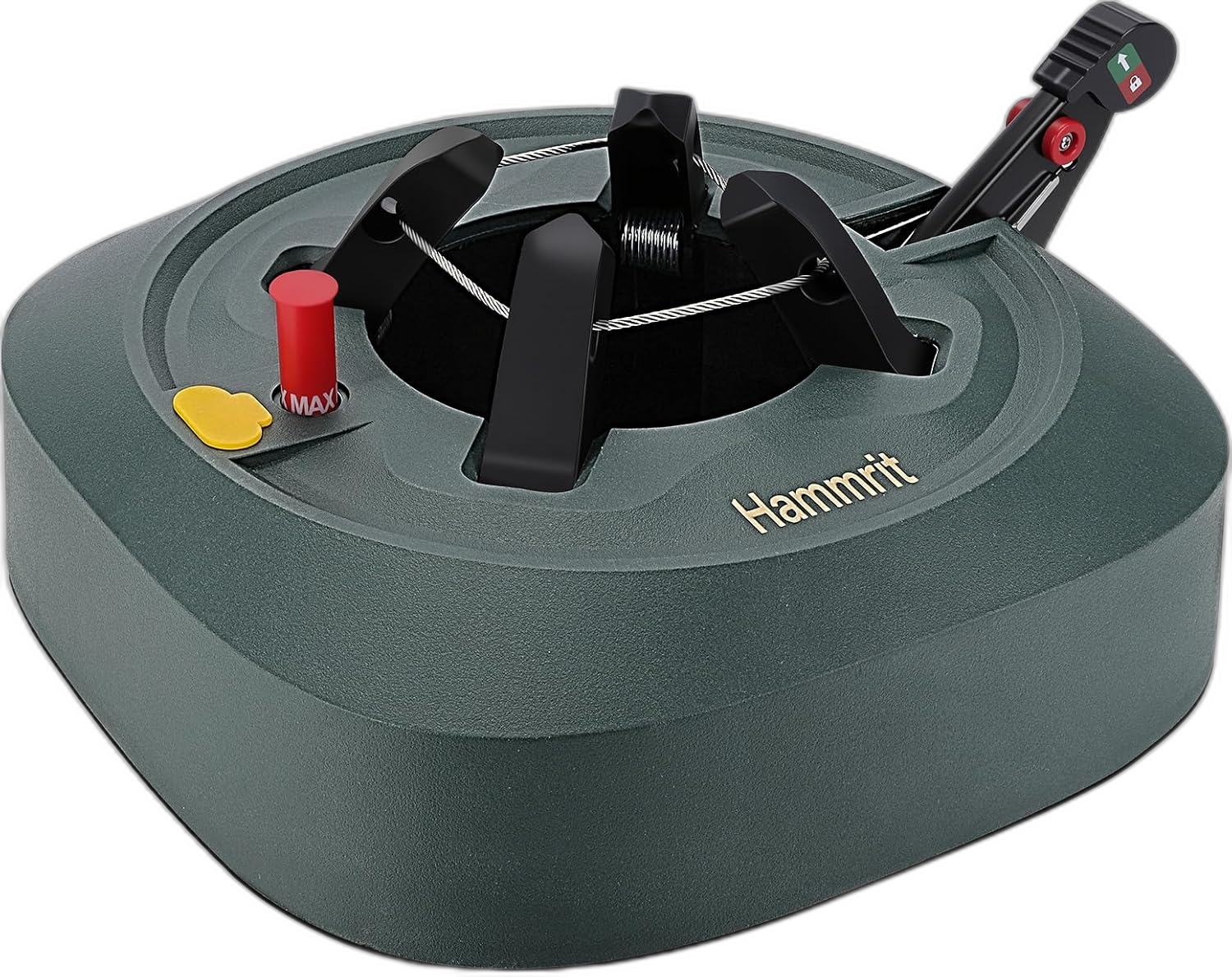
Use a stand that holds at least a gallon of water for an average-sized tree. Check the water level daily for the first week. A freshly cut tree can drink several quarts in the first 24 hours alone.
Keep the tree away from heat sources. Fireplaces, radiators, heating vents, and direct sunlight all speed up drying. LED string lights run cooler than old incandescent ones. Cooler bulbs mean less heat stress on dry needles, and a lower fire risk too.
Once your tree is up, see our 25 Christmas living room decor ideas for ways to style the rest of the room around it.
Common Mistakes to Avoid
What This Trip Actually Costs
Frequently Asked Questions
How long does a Christmas tree stay fresh after cutting?
A well-watered, properly cared-for tree typically holds its needles for three to four weeks. Dry air, heat sources, and letting the stand run dry all shorten that window.
Is it cheaper to cut your own tree than buy a pre-cut one?
It varies by region and farm, but cut-your-own often costs about the same or slightly less than a lot-bought tree of similar size, and the tree is fresher since it has not been sitting since it was cut.
Do I need a permit to cut my own Christmas tree?
Only if you are cutting on public land, such as a national forest — most sell permits for a small fee. Choose-and-cut farms include the cutting fee in what you pay at checkout, no separate permit needed.
Why does my cut Christmas tree need a second cut at home?
Sap seals over a fresh cut within a few hours, which blocks water absorption. A second cut right before placing it in the stand reopens the trunk so it can actually drink the water you give it.

Olivia Bennett is the Lead Content Editor at The Dailey House. She specializes in interior styling, bedroom aesthetics, and creating spaces that feel intentional without feeling out of reach. With over a decade of experience covering home interiors, Olivia believes every room should tell you something about the person who lives in it.